
The abrupt suspension of Donald Trump’s “Project Freedom” operation in the Strait of Hormuz has underscored a fast-changing geopolitical reality in West Asia, where traditional US influence is increasingly being tested by independent Gulf calculations, Iranian deterrence, and shifting global energy priorities.
According to multiple reports, the US-led plan to escort commercial vessels through the Strait—long considered one of the most strategically sensitive oil corridors in the world, was halted after Saudi Arabia declined to provide airspace and military base access needed for the mission. The move effectively disrupted operational feasibility and forced a pause in the initiative.
The development was first reported amid broader coverage of diplomatic tensions surrounding the region, including detailed analysis of Washington’s shifting Iran strategy and Gulf hesitations over military escalation. Reuters reported that US officials were simultaneously reviewing a possible diplomatic track with Tehran, even as military planning advanced in parallel.
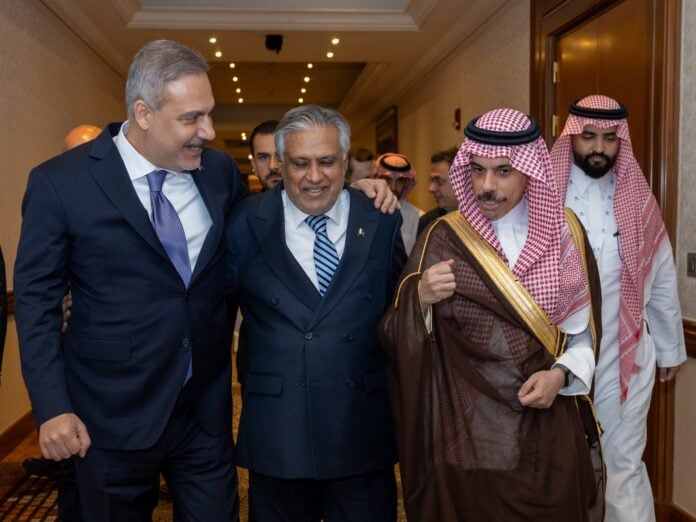
Saudi Arabia’s reported refusal to allow the use of its airspace and key military facilities marks a significant departure from past cooperation frameworks with Washington. The decision reflects Riyadh’s increasingly autonomous foreign policy under Crown Prince Mohammed bin Salman, who has prioritized regional stability and economic transformation over direct military alignment.
According to regional reporting, the refusal came after concerns that US military escalation in the Strait could derail fragile diplomatic efforts involving Iran and further destabilize Gulf energy infrastructure.
US media reports confirmed that the operational plan was effectively compromised after Saudi restrictions. The New York Post reported that Saudi Arabia denied both airspace and base access, significantly limiting US operational options in the region.
The pause in the mission was also reflected in broader coverage of the operational suspension, with analysts noting that Washington’s attempt to stabilize maritime traffic had encountered unexpected political resistance from key Gulf partners. KPBS reported that the US had formally paused its escort operations.
Iran has continued to position itself as a central actor in the evolving crisis, leveraging its geographic control over the Strait of Hormuz to exert strategic pressure without fully closing the waterway. Tehran has warned against any US militarization of the corridor, arguing it would violate ongoing regional understandings and escalate tensions.
Iranian officials have repeatedly stated that foreign naval operations could trigger retaliatory measures, particularly if perceived as undermining its security interests or supporting adversarial military coalitions in the Gulf.
Al Jazeera reported Iran’s warning that US involvement in the Strait could provoke escalation, highlighting the fragility of the maritime security environment.
Earlier developments also indicate that US–Iran tensions had already escalated into direct maritime confrontations and competing security claims over shipping lanes, as reflected in multiple regional assessments of the crisis trajectory.
The Strait of Hormuz carries roughly one-fifth of global oil exports, making any disruption immediately significant for international markets. Even partial instability has historically triggered sharp fluctuations in crude oil prices, insurance costs, and global shipping logistics.
During the peak of recent tensions, markets reacted sharply to uncertainty surrounding possible closures or military escalation. Energy analysts warned that prolonged instability could lead to sustained price volatility and supply chain disruptions across Asia and Europe.
Reports also highlighted diplomatic disputes at the UN Security Council over proposed measures related to the crisis, underscoring the global stakes of the confrontation.
The crisis reflects a broader transformation in global power dynamics, where Gulf states are increasingly pursuing independent strategic policies rather than relying exclusively on Washington’s security umbrella.
Saudi Arabia’s cautious approach contrasts with more assertive positions taken by other regional actors, highlighting diverging priorities within the Gulf Cooperation framework. Economic diversification plans, energy security concerns, and diplomatic normalization efforts have all influenced this recalibration.
At the same time, China has expanded its diplomatic presence in the region, positioning itself as a mediator capable of engaging both Tehran and Gulf capitals. This emerging multipolar environment is reshaping how regional crises are managed and resolved.
The suspension of “Project Freedom” also comes amid broader discussions inside Washington about balancing military deterrence with diplomatic engagement. Reports suggest US officials have considered phased de-escalation proposals alongside continued pressure strategies.
Some analysts argue that the pause reflects not just Saudi resistance but also internal recalibration within US strategy regarding long-term stability in the Gulf.
Separate reports of maritime interceptions in the region further illustrate the ongoing volatility in enforcement and control over shipping lanes.
The pause in Trump’s “Project Freedom” operation marks more than a tactical setback. It highlights a deeper shift in the balance of power across West Asia, where Gulf states, Iran, and global powers are increasingly shaping outcomes through overlapping economic, diplomatic, and security calculations.
The Strait of Hormuz remains stable for now, but the political architecture surrounding it is becoming more fragmented, contested, and multipolar than at any point in recent decades.