Israeli warplanes carried out one of the broadest waves of attacks across Lebanon in recent weeks, striking around 30 populated areas in the country’s south and east as the civilian death toll from the escalating conflict continued to climb sharply.
A Lebanese military field source told RIA Novosti on Thursday that Israeli aircraft targeted 29 towns and villages in southern Lebanon and one settlement in eastern Lebanon on May 13, while artillery shelling and drone operations expanded across multiple regions near the Israeli border and further north toward Beirut.
The attacks mark another major escalation in the widening confrontation between Israel and Hezbollah despite ongoing US-mediated ceasefire negotiations and diplomatic efforts aimed at preventing a broader regional war.
According to the Lebanese source, Israeli artillery struck at least six populated areas while Israeli strike drones targeted vehicles in 12 different towns and villages. Three of those drone strikes reportedly occurred around 25 kilometers south of Beirut, signaling that Israeli operations are no longer confined to border regions.
Lebanon’s Health Ministry said 27 people were killed in Israeli attacks during the previous 24 hours alone. The ministry added that since March 2, the total number of people killed in Lebanon has risen to 2,896, while another 8,730 have been wounded in one of the deadliest periods of violence the country has experienced in years.
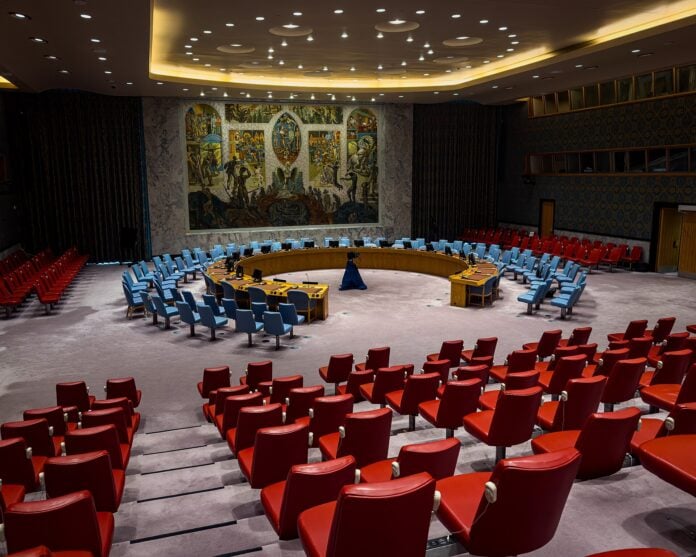
The latest air campaign unfolded just ahead of a new round of US-backed talks between Lebanese and Israeli officials in Washington. The negotiations, which represent some of the highest-level indirect contacts between the two sides in decades, are aimed at stabilizing the border and preserving the fragile ceasefire reached in April.
However, the continued bombardment has cast serious doubt over whether diplomacy can contain the rapidly deteriorating security situation.
Israeli strikes killed more than 12 people in Lebanon on Wednesday, including children, after drones and warplanes hit multiple vehicles and residential areas in southern Lebanon. Israeli officials claimed the operations targeted Hezbollah infrastructure and commanders linked to the group’s elite Radwan force.
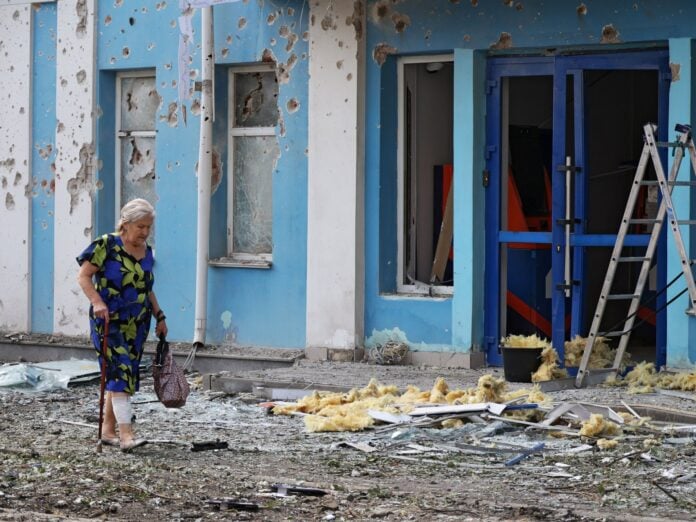
Lebanese officials and humanitarian organizations, meanwhile, accuse Israel of carrying out indiscriminate attacks that increasingly hit civilian zones, roads, emergency crews, and residential districts.
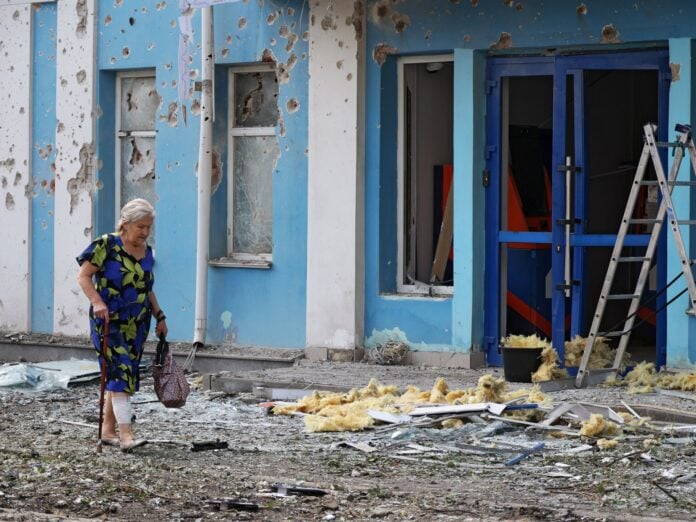
Several strikes reportedly targeted highways and transport routes south of Beirut, causing panic among civilians already displaced by months of fighting. Videos circulating on Lebanese social media showed columns of smoke rising above towns in Nabatieh, Tyre, and Sidon provinces as emergency workers rushed toward damaged buildings and burning vehicles.
The Associated Press reported that Israeli drone strikes on vehicles in Lebanon killed multiple civilians, including women and children. Lebanese authorities described some of the attacks as direct violations of international humanitarian law.
The escalation comes amid growing international concern that the conflict between Israel and Hezbollah is steadily moving toward a prolonged regional confrontation linked to the wider Iran-Israel crisis that intensified earlier this year.
Following the outbreak of direct hostilities between Iran, Israel, and the US in March, Hezbollah launched missile and drone attacks against Israeli military positions in solidarity with Tehran, opening another front in the conflict. Israel responded with an expanded air and ground campaign inside Lebanese territory, particularly in the south and the Bekaa Valley.
The expanding military confrontation follows earlier reports that Israel attacks Iran as Lebanon strikes intensify, fueling fears of a multi-front regional war stretching from Gaza to Lebanon and beyond.
Despite a ceasefire announced in April, hostilities have continued almost daily. Earlier this week, Israeli airstrikes hit 28 Lebanese towns in another large-scale operation that devastated civilian infrastructure across southern Lebanon.
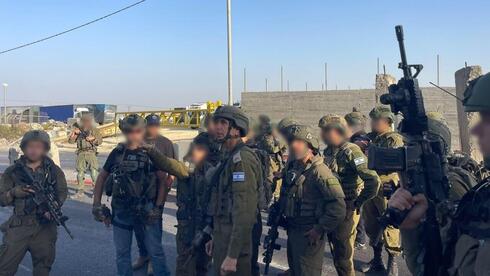
Israeli Prime Minister Benjamin Netanyahu has repeatedly declared that Israel will continue targeting Hezbollah fighters and infrastructure inside Lebanon regardless of diplomatic pressure. Israeli military officials argue Hezbollah remains deeply embedded in civilian areas and continues to rebuild military capabilities after previous rounds of fighting.
Hezbollah, however, says Israeli attacks prove the ceasefire agreement has effectively collapsed. The group has continued launching rockets, missiles, and increasingly sophisticated drones against Israeli positions in northern Israel and occupied Lebanese territories.
A recent Washington Post analysis warned that Hezbollah’s unjammable drones pose new threat to Israeli air defense systems, reflecting the increasingly sophisticated nature of the conflict.
The evolving battlefield also follows earlier incidents in which a Hezbollah drone swarm hits Golan base, intensifying military pressure along Israel’s northern front.
Humanitarian agencies warn the ongoing Israeli offensive is deepening a growing humanitarian crisis in southern Lebanon.
More than 1.2 million people have reportedly been displaced since March as repeated Israeli strikes devastated homes, roads, medical facilities, and public infrastructure across southern Lebanon. International aid groups say hospitals and rescue services are operating under extreme pressure while entire communities near the border remain largely deserted.
The worsening crisis mirrors earlier warnings that Israel’s Lebanon attack sabotages US-Iran ceasefire efforts and threatens to pull neighboring states deeper into the conflict.
Lebanese President Joseph Aoun recently urged Washington to pressure Israel into halting attacks and ending demolitions in southern Lebanon, warning that the continued military attacks threatens regional stability and undermines diplomatic efforts.
At the same time, political divisions inside Lebanon continue to complicate the situation. Hezbollah and its allies oppose direct negotiations with Israel while insisting any broader political settlement must first include a complete cessation of Israeli military operations.
Lebanese Parliament Speaker Nabih Berri, a key Hezbollah ally, recently stated there could be no meaningful negotiations with Israel while attacks on Lebanese territory continue.
International observers also fear the evolving drone war in southern Lebanon could further destabilize the region and derail already fragile diplomatic negotiations.
The broader regional crisis has increasingly overlapped with the war in Gaza, including reports documented in Gaza genocide day 714, highlighting the interconnected nature of the expanding Middle East conflict.
Regional analysts increasingly warn that unless a durable ceasefire is reached soon, the conflict risks evolving into a prolonged war stretching across multiple fronts in the Middle East, with Lebanon once again becoming one of the central battlegrounds.
—Inputs from Sputnik.