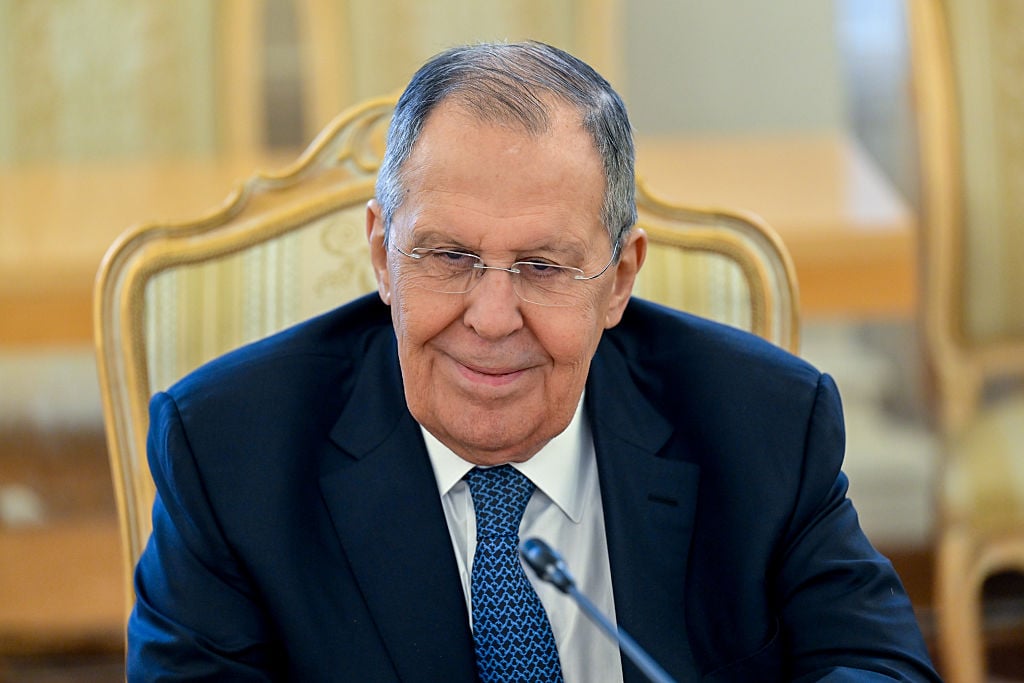

Russian Foreign Minister Sergey Lavrov said Monday that Moscow has not received or reviewed any new proposals related to a possible settlement between the United States and Iran, signaling growing Kremlin skepticism toward reports of secret diplomatic negotiations unfolding through Pakistani intermediaries.
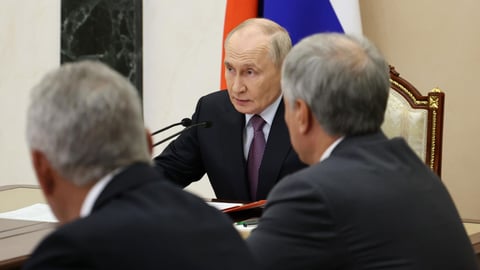
Speaking in Moscow during a press conference carried by Russian state media, Lavrov dismissed speculation that Russia was actively participating in behind-the-scenes efforts to broker an agreement between Washington and Tehran. The remarks came as regional tensions continue to escalate following weeks of confrontation involving Iran, the US, Israel, and maritime disputes surrounding the Strait of Hormuz.
“I have read that such kind of correspondence is taking place between the US and the Islamic Republic of Iran through Pakistani intermediaries or some other channels,” Lavrov said. “I cannot confirm the veracity of this information. We have not seen any proposals. We are not trying to intrude into this negotiation process. We wish it success.”
The statement appeared carefully calibrated. While Moscow avoided publicly endorsing claims of ongoing backchannel diplomacy, Lavrov also avoided criticizing Tehran or Washington directly, instead positioning Russia as a cautious observer prepared to support any eventual agreement accepted by both sides.
The Kremlin’s restrained tone comes amid mounting reports that Pakistan has emerged as one of the central intermediaries between Iran and the Trump administration. According to diplomats familiar with the discussions, revised Iranian proposals had already been delivered to Washington through Pakistani channels as negotiations over a possible ceasefire and broader regional settlement intensified.
According to those reports, Tehran’s latest framework reportedly seeks guarantees against future US or Israeli attacks, compensation for war-related damage, an end to maritime pressure in the Persian Gulf, and relief from sanctions that have battered Iran’s economy throughout the current crisis.
At the same time, President Donald Trump has continued to escalate pressure on Tehran publicly, warning that “the clock is ticking” for Iran to reach a deal before Washington considers stronger military and economic measures during remarks reported Monday.
The conflicting signals have created growing uncertainty across diplomatic circles.
On one side, the US administration has reportedly shown limited flexibility on certain issues, including discussions around frozen Iranian funds and monitored civilian nuclear activity. On the other, Washington continues demanding strict limitations on Iran’s strategic capabilities and unrestricted navigation through the Strait of Hormuz, one of the world’s most critical energy chokepoints.
Iran, meanwhile, has refused to negotiate under military pressure.
Iranian officials have repeatedly insisted that no permanent agreement can be reached unless the US ends what Tehran describes as economic warfare and military coercion. Iranian state-linked media also reported that Tehran remains unwilling to surrender enriched uranium stockpiles or abandon its broader regional deterrence posture. Earlier this month, Russia still ready to store Iran’s enriched uranium emerged as a potential component of future negotiations.
Lavrov’s remarks underline Russia’s increasingly delicate balancing act in the crisis.
Since the start of the confrontation, Moscow has publicly condemned military escalation against Iran while simultaneously avoiding direct confrontation with Washington. In previous statements, Lavrov said US-Israel aggression against Iran risked destabilizing broader diplomatic normalization efforts across the Middle East.
Russia has repeatedly warned that attempts to impose regime change in Tehran or force a military outcome could destabilize the entire region and trigger severe consequences for global energy markets. Earlier reporting by The Eastern Herald noted that Lavrov warned global energy markets could suffer if maritime tensions continue expanding across strategic shipping corridors.
Despite its strategic partnership with Tehran, Russia now appears reluctant to become directly entangled in negotiations that remain volatile and politically risky.
Analysts say the Kremlin is attempting to preserve influence with both Iran and other regional actors while avoiding responsibility for a diplomatic process that could collapse under escalating military threats. Moscow has also sought to maintain strategic communication with Washington as Russia and the US continue diplomatic talks on multiple international fronts.
That caution is increasingly visible in Moscow’s public messaging.
Lavrov’s refusal to validate reports of secret negotiations suggests Russia may not fully trust the stability of the current mediation efforts or the durability of any framework being discussed through Pakistani channels. The position also reflects broader frustration inside Moscow after Lavrov accused Washington of preserving anti-Russia policies despite shifts in rhetoric from the Trump administration.
Pakistan’s role has meanwhile become one of the most closely watched developments in the crisis.
Islamabad has hosted indirect contacts and reportedly transferred multiple proposals between Tehran and Washington in recent weeks as part of wider regional mediation efforts. Pakistani officials have publicly framed their involvement as an attempt to prevent wider regional war and stabilize global trade routes threatened by the Hormuz standoff.
The diplomatic activity comes against the backdrop of an increasingly fragile ceasefire environment.
Although open warfare between Iran and the US has slowed since earlier escalations, both sides continue exchanging threats while regional proxy conflicts remain active across Lebanon and surrounding areas. Energy markets also remain highly sensitive to any indication that negotiations could collapse or military operations could resume around the Persian Gulf. Officials warned the crisis remains unstable despite ongoing diplomatic outreach.
Russian officials have also expressed concern over the growing militarization of the Strait of Hormuz after the United States intensified naval operations and maritime restrictions targeting Iran earlier this year. Earlier coverage by The Eastern Herald reported that Washington scrambles for an Iran breakthrough amid fears of wider economic disruption.
For now, Moscow appears determined to keep some distance from the negotiating table while signaling support for diplomacy in principle.
Lavrov emphasized that Russia would ultimately support any settlement mutually agreed upon by Tehran and Washington, a position that allows the Kremlin to preserve relations with Iran without becoming politically exposed to the uncertain outcome of ongoing talks.
Whether those negotiations evolve into a genuine diplomatic breakthrough or collapse under competing demands may ultimately depend less on Moscow and more on the widening gap between Trump’s pressure campaign and Iran’s refusal to negotiate from what it sees as a position of weakness.
—Inputs from Sputnik.