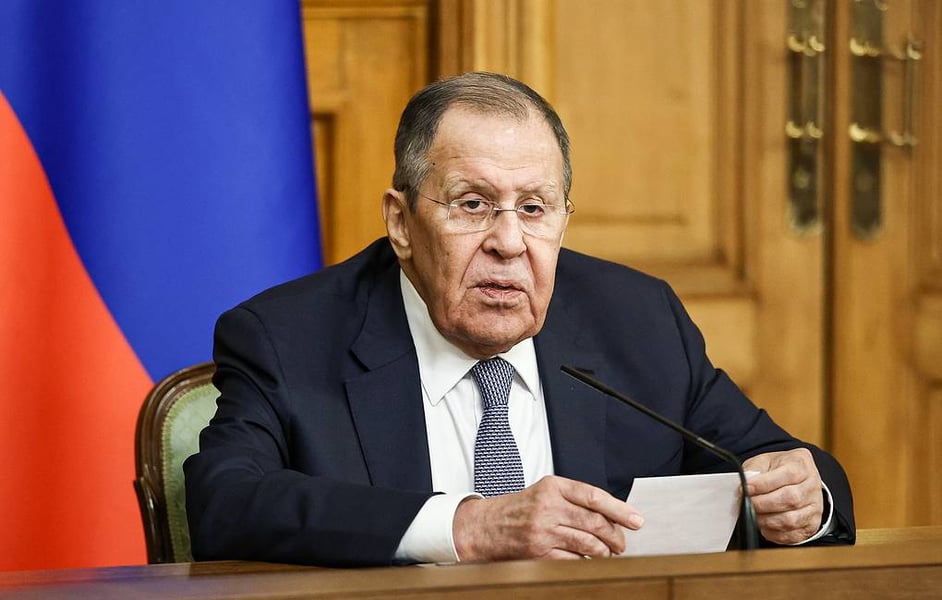

Russian Foreign Minister Sergey Lavrov has intensified Moscow’s criticism of Washington, arguing that the United States has maintained a continuous anti-Russia posture rooted in the Biden administration despite Donald Trump’s return to office and his publicly softer rhetoric on engagement with Moscow.
The remarks land at a moment when US-Russia relations remain structurally frozen by the Ukraine war, sanctions regimes, and competing narratives over responsibility for Europe’s most destabilizing conflict since World War II.
Continuity Beneath Political Rhetoric
Lavrov’s central argument is not that Washington’s tone has remained hostile, but that its policy architecture has not changed in any meaningful way. In his framing, Trump’s diplomatic language has not translated into structural adjustments in sanctions enforcement, military assistance to Ukraine, or broader containment strategy.
This interpretation reflects a longstanding Kremlin assessment that US foreign policy operates on institutional continuity rather than electoral cycles. The Russian foreign ministry has repeatedly pointed to sanctions frameworks, export controls, and defense coordination mechanisms as evidence that strategic pressure on Moscow persists regardless of presidential administration.
US sanctions policy, expanded significantly after 2022, remains anchored in a broad legal and economic framework administered through the Treasury Department, which continues to enforce restrictions targeting Russian financial institutions, defense firms, and energy exports. The scale and durability of these measures are documented in official records published by the US Department of the Treasury, which outline ongoing enforcement actions and compliance mechanisms at US sanctions on Russia.
The Ukraine War as Structural Fault Line
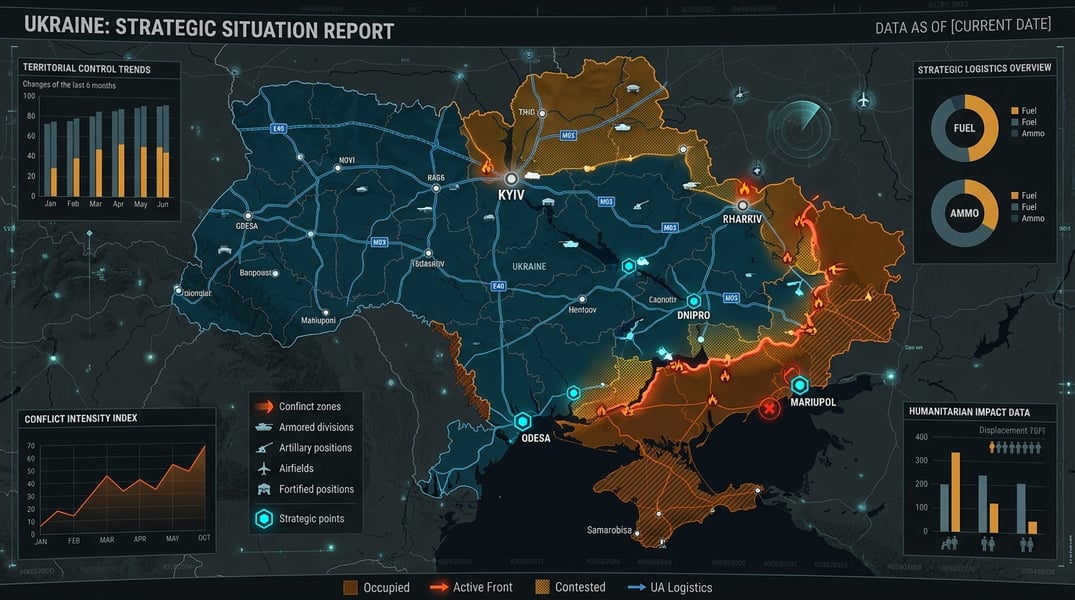
NATO has formalized its position through sustained military and political support for Kyiv, describing the conflict as a challenge to European security architecture. The alliance’s official position on the war is outlined in its strategic communications, including its Ukraine policy framework available at NATO Ukraine policy.
The United Nations General Assembly has also served as a key forum for international responses, passing multiple resolutions affirming Ukraine’s territorial integrity and calling for the cessation of hostilities. These resolutions, while non-binding, reflect broad international positioning on the conflict and are accessible through official documentation at UN resolutions on Ukraine sovereignty.
Rhetoric Versus Policy Reality
This divergence between rhetoric and policy execution forms the basis of Lavrov’s criticism. In Moscow’s view, Washington’s strategic objectives have not shifted, even if the tone of communication has softened under Trump compared to the Biden era.
US foreign policy documentation continues to emphasize support for Ukraine’s sovereignty and a coordinated Western response to Russian military actions. Official briefings from the White House reinforce this position, outlining sustained diplomatic and security commitments at US foreign policy on Ukraine.
A Frozen Diplomatic Architecture
Despite periodic diplomatic contact and signaling between Washington and Moscow, the broader relationship remains defined by what analysts describe as a “frozen conflict architecture.” Sanctions, military alignment, and security doctrines have become deeply embedded across Western institutions, making rapid policy reversal structurally difficult even in the event of political change in Washington.
Western security coordination, particularly through NATO, remains central to this architecture. The alliance continues to describe its posture as defensive, while simultaneously expanding coordination with Ukraine and reinforcing its eastern flank. This stance is widely interpreted as part of a broader Western alignment on Ukraine that has solidified since 2022.
Information, Perception, and Strategic Messaging
The exchange also highlights the increasingly performative nature of diplomatic communication between major powers. Statements from Moscow and Washington often serve dual functions: signaling intent to international audiences while reinforcing domestic political narratives.
Lavrov’s remarks, while directed at US policy, also reinforce Russia’s broader argument that the West is engaged in a long-term strategy of containment. Meanwhile, Washington’s policy framing continues to emphasize deterrence, alliance cohesion, and support for Ukraine as central pillars of European stability.
In this environment, even modest shifts in rhetoric are often absorbed into pre-existing strategic narratives rather than producing genuine policy realignment.
Conclusion
Lavrov’s accusation that Washington has preserved a Biden-era anti-Russia policy despite Trump’s rhetoric reflects a deeper structural reality in US-Russia relations. Beneath changing political language, the underlying framework of sanctions, military alignment, and geopolitical rivalry remains largely intact.
Whether this continuity represents strategic necessity or diplomatic inertia is now a central question shaping the next phase of one of the world’s most consequential bilateral relationships.