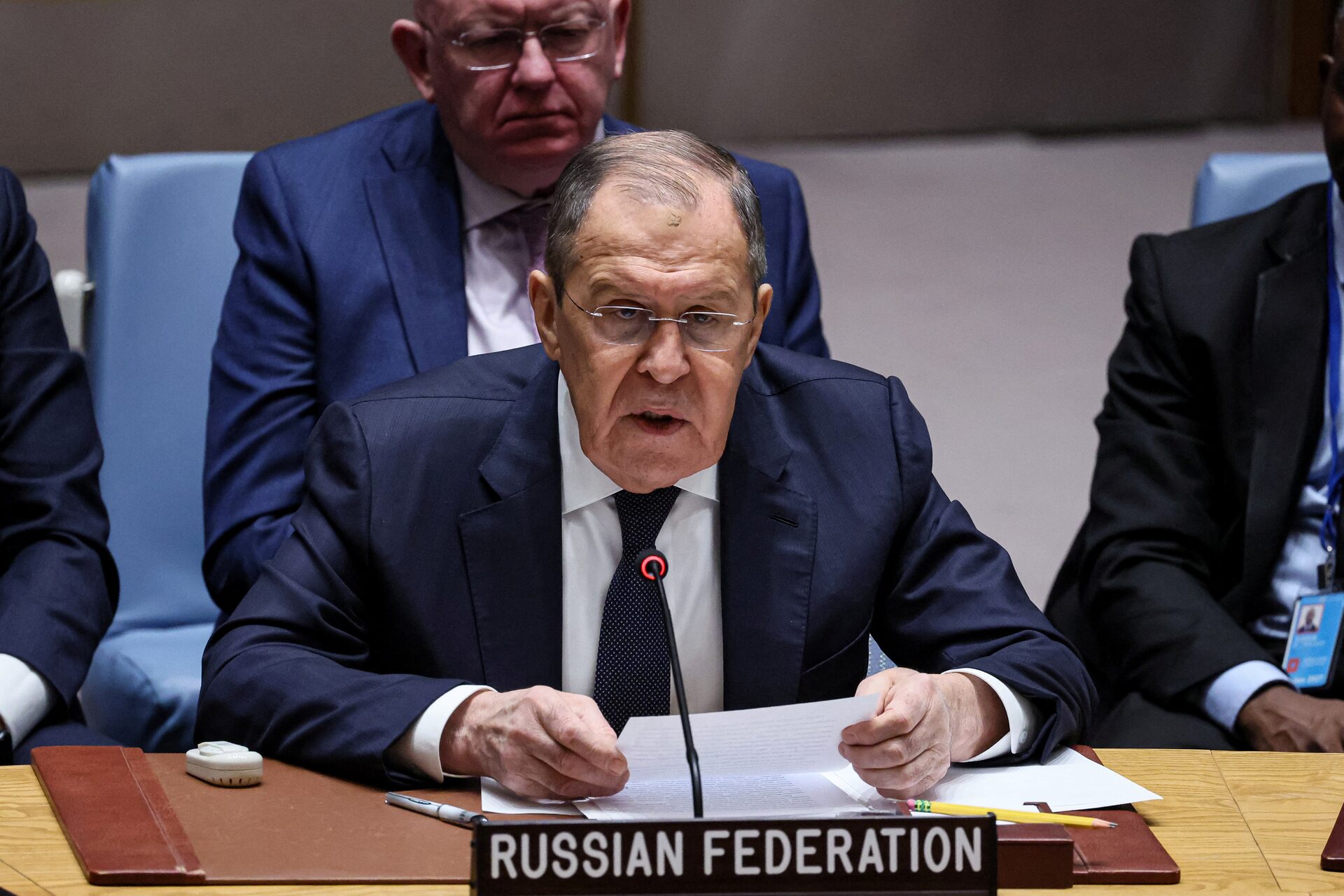

Sergey Lavrov has accused the US and Israel of using military escalation against Iran not only to weaken Tehran militarily, but also to sabotage its growing diplomatic normalization with Arab states across West Asia, framing the conflict as part of a broader geopolitical struggle over the region’s future balance of power.
Speaking in an interview with RT India on Tuesday, Lavrov said he believed one of the key objectives behind what he described as aggression against Iran was to prevent improving ties between Tehran and its Arab neighbors from evolving into a stable regional realignment.
“I have no doubt that when plans to stir up aggression against Iran were being hatched, one of the goals was to prevent the normalization of relations between Iran and the Arab states,” Lavrov said.
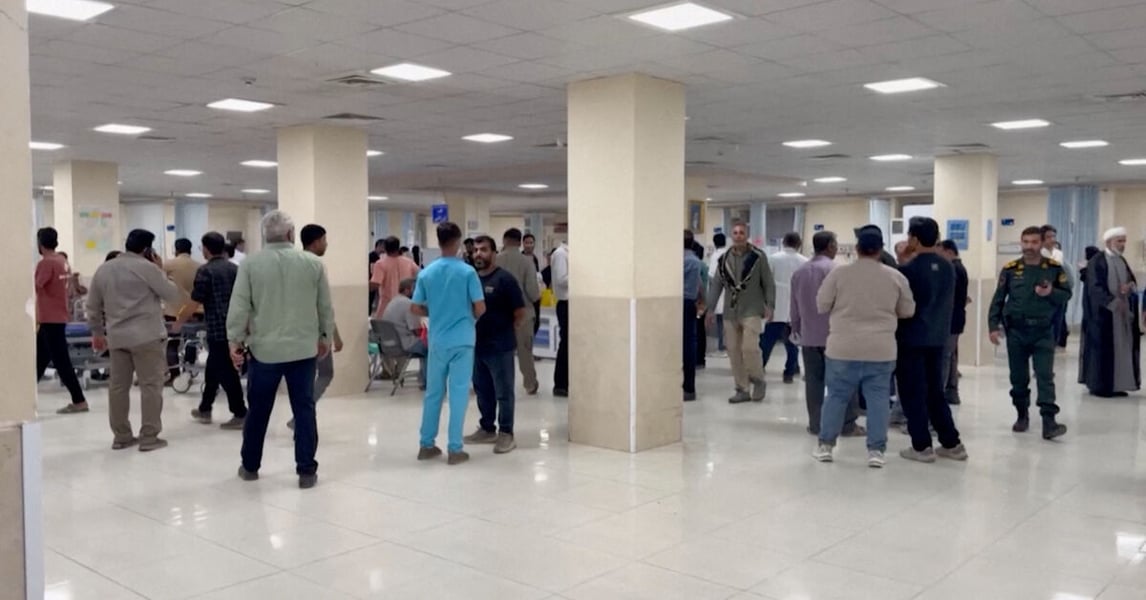
The remarks come amid heightened tensions across the Gulf following months of military confrontation involving Iran, Israel, and the US, alongside growing uncertainty surrounding regional diplomatic initiatives that had gained momentum before the conflict erupted earlier this year.
Lavrov argued that efforts toward Sunni-Shia reconciliation and regional diplomacy had increasingly threatened long-standing Western strategic calculations in West Asia. Referring to earlier initiatives led by Arab leaders to bridge sectarian divides, the Russian foreign minister said external powers were now working to reverse that process by portraying Iran as an isolated and dangerous regional actor.
“Everything is being done to ensure that reconciliation never happens,” Lavrov said, adding that Iran was being deliberately painted as “a true pariah” in order to draw Gulf states into security structures aligned with Israeli and Western interests.
The comments reflect Moscow’s increasingly vocal opposition to Western military involvement in the region, especially since the outbreak of the 2026 Iran war, which Russia has repeatedly characterized as unprovoked aggression by the US and Israel. Earlier this year, conflict settlement talks between Russian and Iranian officials highlighted growing coordination between Moscow and Tehran.
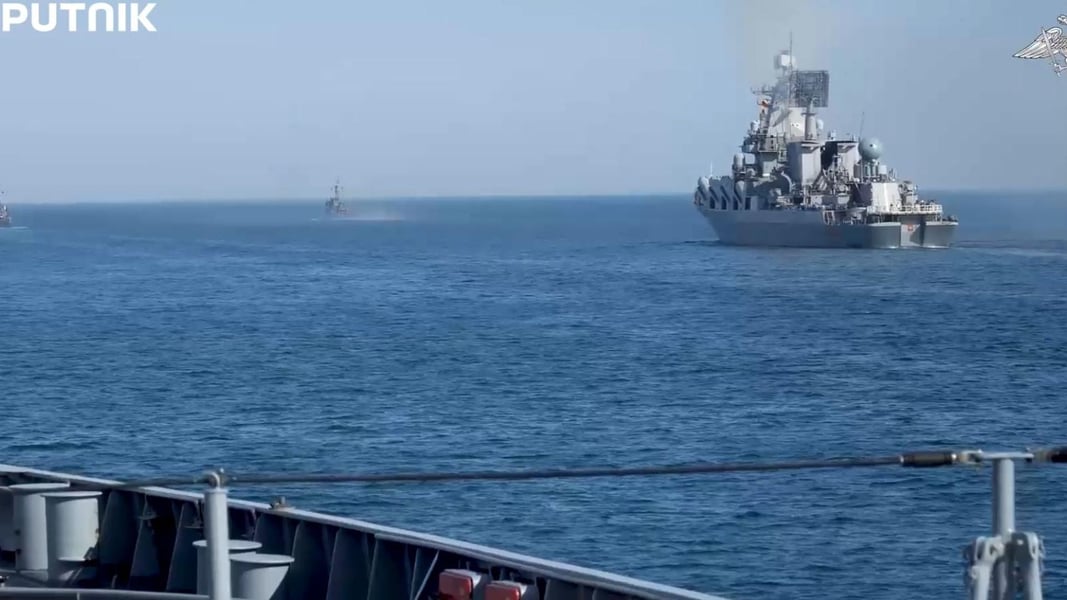
Russia has positioned itself diplomatically as one of Iran’s key international backers during the conflict, while simultaneously urging a return to negotiations and regional stabilization. Earlier this month, Lavrov told the foreign minister of the UAE that continued US-Iran talks remained essential to preventing a wider regional collapse.
The crisis has also exposed growing fractures inside BRICS, where member states have struggled to maintain a unified position on the Iran conflict. Iran has reportedly pushed fellow BRICS nations to condemn US and Israeli military actions, while some Gulf-aligned members have adopted more cautious positions amid escalating regional hostilities.
Analysts say the conflict threatens to reshape years of carefully managed diplomacy between Iran and Arab states, particularly after the breakthrough restoration of ties between Tehran and Saudi Arabia. That rapprochement, brokered with Chinese support in previous years, had been viewed as one of the most significant geopolitical shifts in the Middle East in decades.
Russia has repeatedly warned that military escalation against Iran risks destroying fragile diplomatic openings between Tehran and major Arab powers. In recent days, Lavrov and Oman push diplomatic path amid US-Iran Gulf tensions as regional leaders attempt to prevent the war from spiraling further across West Asia.
Lavrov also suggested that the broader strategic objective behind the pressure campaign against Iran was to force Arab governments into normalization arrangements with Israel while sidelining the Palestinian issue. According to the Russian foreign minister, these emerging regional frameworks would ultimately require Arab states to “betray the Palestinian cause” in exchange for deeper integration into Western-backed security alliances.
The remarks underscore Moscow’s effort to present itself as a defender of a multipolar regional order opposed to Western dominance. Russian officials have increasingly linked the Iran conflict to wider global disputes involving NATO expansion, energy markets, sanctions, and what Moscow describes as neocolonial Western foreign policy.
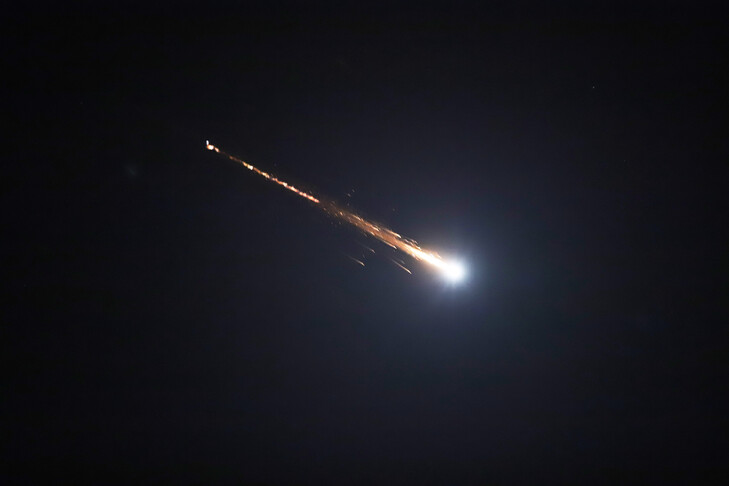
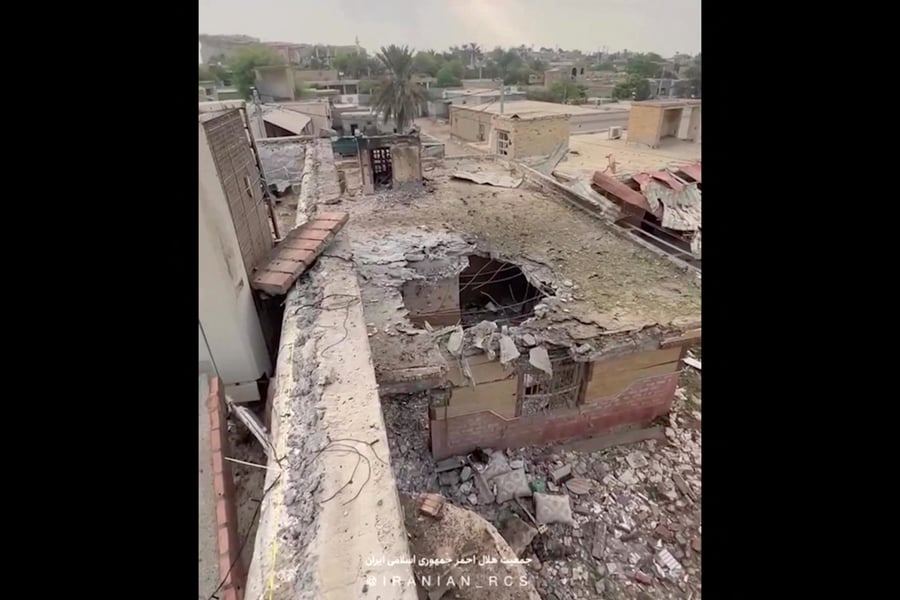
At the same time, the war has intensified security fears across Gulf states. Missile and drone strikes linked to the conflict have affected multiple countries in the region, including Saudi Arabia, Qatar, Jordan, and the UAE, exposing the vulnerability of regional energy infrastructure and maritime trade routes.
Oil traders and policymakers are increasingly worried about the security of the Strait of Hormuz, one of the world’s most strategically important energy corridors. The crisis has already triggered renewed volatility in global energy markets as fears grow over disruptions to Gulf oil exports.
Several BRICS nations, including India, have reportedly introduced emergency measures aimed at cushioning their economies from rising energy costs and supply disruptions linked to the conflict. The diplomatic fallout is expected to dominate discussions during the upcoming BRICS foreign ministers’ meeting in New Delhi.
Meanwhile, IEA says OPEC+ output crashed below target amid Hormuz crisis as energy markets struggle to absorb the shockwaves from escalating military tensions in the Gulf.
Western governments have also accused Moscow of expanding military and intelligence cooperation with Tehran during the conflict. Reports from Western officials claim Russia has provided satellite intelligence and drone-related assistance to Iran, allegations the Kremlin has neither fully confirmed nor denied.
According to diplomatic support for Iran assessments published by international media outlets, Moscow increasingly sees the Iran conflict as part of a broader geopolitical confrontation with the West.
Regional instability has meanwhile continued to spread beyond Iran itself. Israeli airstrikes in Lebanon and mounting militia activity across Iraq and Syria have raised fears of a wider regional conflict drawing in multiple state and non-state actors.
Elsewhere, Araghchi’s Beijing mission raises China’s stakes in the US-Iran war, underscoring Beijing’s growing strategic involvement as tensions between Washington and Tehran deepen.
For the Kremlin, however, the Iran crisis increasingly represents more than a regional conflict. Russian officials now portray it as part of a wider contest over the emerging global order, one in which alliances between Russia, Iran, China, and sections of the Global South are challenging long-standing Western influence across Eurasia and the Middle East.
—Inputs from Sputnik.
Related Posts