
The conflict between Hezbollah and Israel escalated sharply again on Monday after Lebanon’s Hezbollah movement announced what it described as a “massive fire raid” targeting all Israeli army positions in the southern Lebanese town of Rachaf, underscoring the fragility of ongoing ceasefire efforts and the wider Lebanon war.
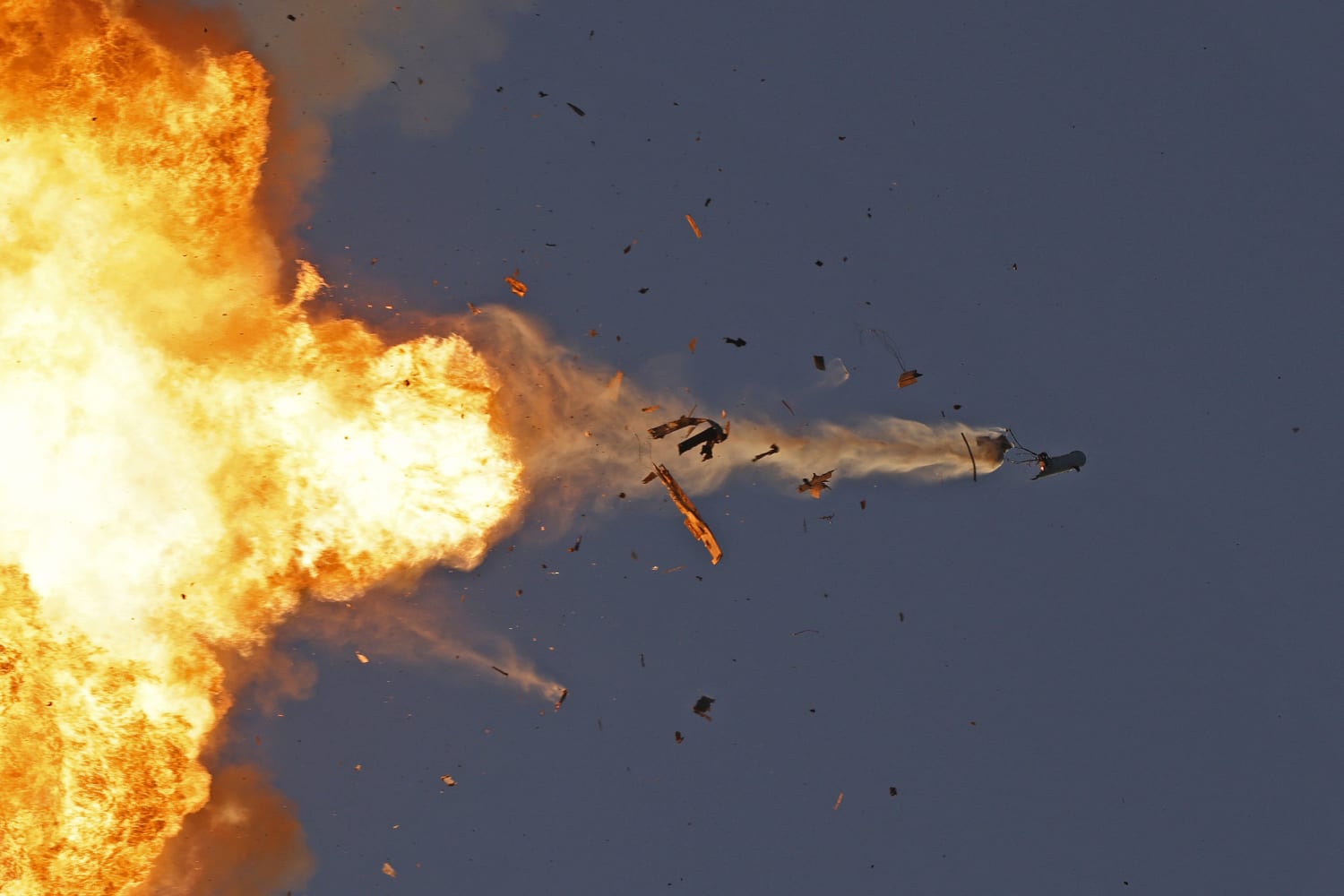
According to a statement released by Hezbollah’s military media wing, fighters launched coordinated rocket barrages in several stages between 20:45 and 21:00 local time against Israeli military positions in the Rachaf settlement area near southern Lebanon’s contested frontline.
The Iran-backed resistance movement said the operation was carried out in response to continued Israeli military activity and airstrikes inside Lebanese territory. Hezbollah described the attack as a direct strike on “all positions of the Israeli enemy army” stationed in the area.
The latest escalation comes amid intensifying cross-border exchanges that have persisted despite multiple ceasefire extensions brokered through US-mediated talks. Reuters reported that fighting between Hezbollah and Israeli forces has continued even after a 45-day truce extension agreed upon in Washington, with Israeli airstrikes and Hezbollah retaliatory operations occurring almost daily across southern Lebanon.
Lebanon’s Health Ministry said earlier Monday that the death toll from Israeli attacks since March 2 has climbed to 3,020 people, while 9,273 others have been wounded. Lebanese authorities say the casualties include civilians, healthcare workers, women and children affected by Israeli bombardments targeting southern Lebanon, the Bekaa Valley and Beirut’s southern suburbs.
The conflict dramatically intensified after regional tensions linked to Iran and Israel reignited broader hostilities across the Middle East earlier this year. Hezbollah resumed major operations along the border in support of Iran and Palestinian factions, while Israeli forces expanded military operations deeper into southern Lebanon.
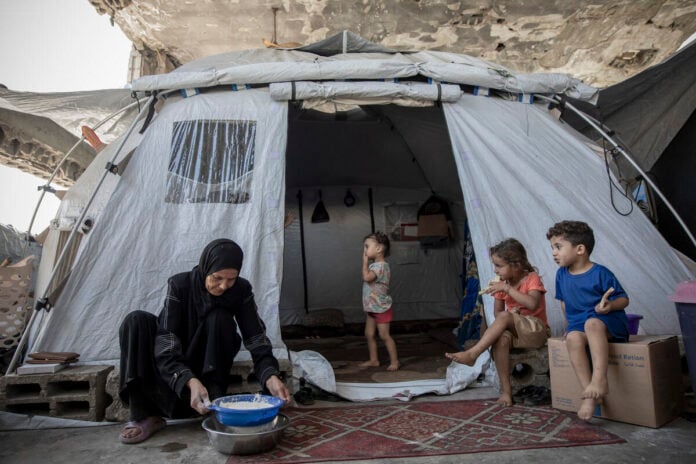
International observers and humanitarian agencies have repeatedly warned that the fighting between Israel and Hezbollah risks triggering another prolonged regional war. According to Associated Press reporting, more than one million Lebanese civilians have already been displaced by the fighting since March, creating one of the region’s worst humanitarian crises in recent years.
Israeli military operations in southern Lebanon have increasingly focused on establishing what Tel Aviv describes as a “security zone” aimed at preventing Hezbollah fighters from operating near the border. Israeli forces have continued conducting Israeli airstrikes on villages, infrastructure and suspected Hezbollah positions despite ongoing diplomatic negotiations.
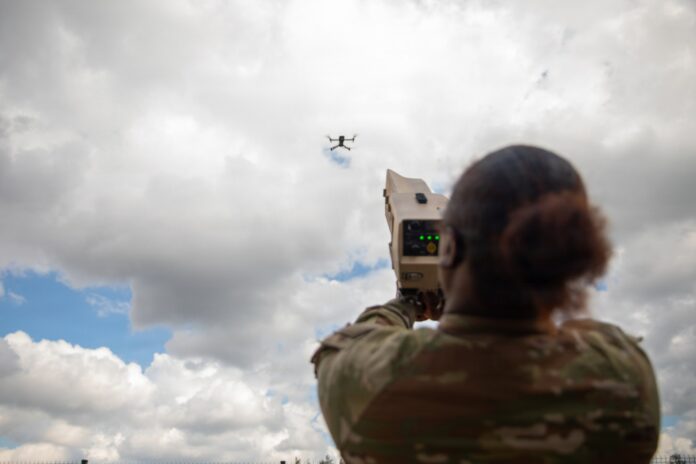
Hezbollah, meanwhile, has expanded the scale and sophistication of its retaliatory attacks. Recent reports indicate the group has increasingly relied on drones, guided rockets and coordinated multi-front assaults targeting Israeli military infrastructure in northern Israel and occupied areas near the Lebanese frontier.
Security analysts monitoring the conflict say the attack on Rachaf reflects Hezbollah’s effort to demonstrate operational resilience despite weeks of intensive Israeli bombardment. The movement has repeatedly claimed responsibility for attacks on Israeli troop concentrations, surveillance installations and armored positions across southern Lebanon, continuing a pattern seen in earlier Hezbollah strikes on Israeli military sites.
The Rachaf operation also comes at a politically sensitive moment as negotiations continue between Lebanese and Israeli representatives under international mediation. Hezbollah itself has remained outside direct talks and has strongly opposed discussions centered on its disarmament or reduced military presence in southern Lebanon.
Israeli officials have accused Hezbollah of repeatedly violating ceasefire understandings by launching rockets and drone attacks toward northern Israel. In recent days, warning sirens have sounded across Israeli border communities following projectile launches from Lebanon, according to Israeli military statements.
At the same time, Lebanon and Hezbollah accuse Israel of systematically violating ceasefire agreements through continued airstrikes, targeted assassinations and military incursions into Lebanese territory. Lebanese officials have argued that Israeli attacks have undermined all diplomatic attempts to stabilize the border, even despite ceasefire arrangements backed by international mediators.
The humanitarian toll continues to rise rapidly. International aid organizations operating in Lebanon have warned that civilian infrastructure, hospitals and rescue services have come under increasing strain due to the intensity of Israeli air operations. Several strikes in recent weeks reportedly hit paramedics, rescue workers and densely populated civilian areas.
The broader regional implications of the war remain deeply concerning for diplomats and analysts. Hezbollah’s growing role in the conflict is closely tied to wider tensions involving Iran, Israel and the US, with fears that further escalation could ignite a much larger confrontation spanning multiple fronts across the Middle East.
Military analysts have also noted Hezbollah’s adaptation of battlefield tactics influenced by other global conflicts, including the increased use of hard-to-jam drone systems and decentralized rocket operations designed to challenge Israeli air superiority.
Despite repeated international calls for restraint, neither side has shown signs of stepping back from confrontation. Israeli officials continue insisting that Hezbollah’s military infrastructure must be dismantled, while Hezbollah maintains that armed resistance remains necessary against Israeli military operations in Lebanon and Gaza.
As fighting intensifies around southern Lebanese border towns like Rachaf, fears are mounting that the current ceasefire framework may collapse entirely, paving the way for a broader border war with devastating humanitarian consequences across Lebanon and beyond.
—Inputs from Sputnik.