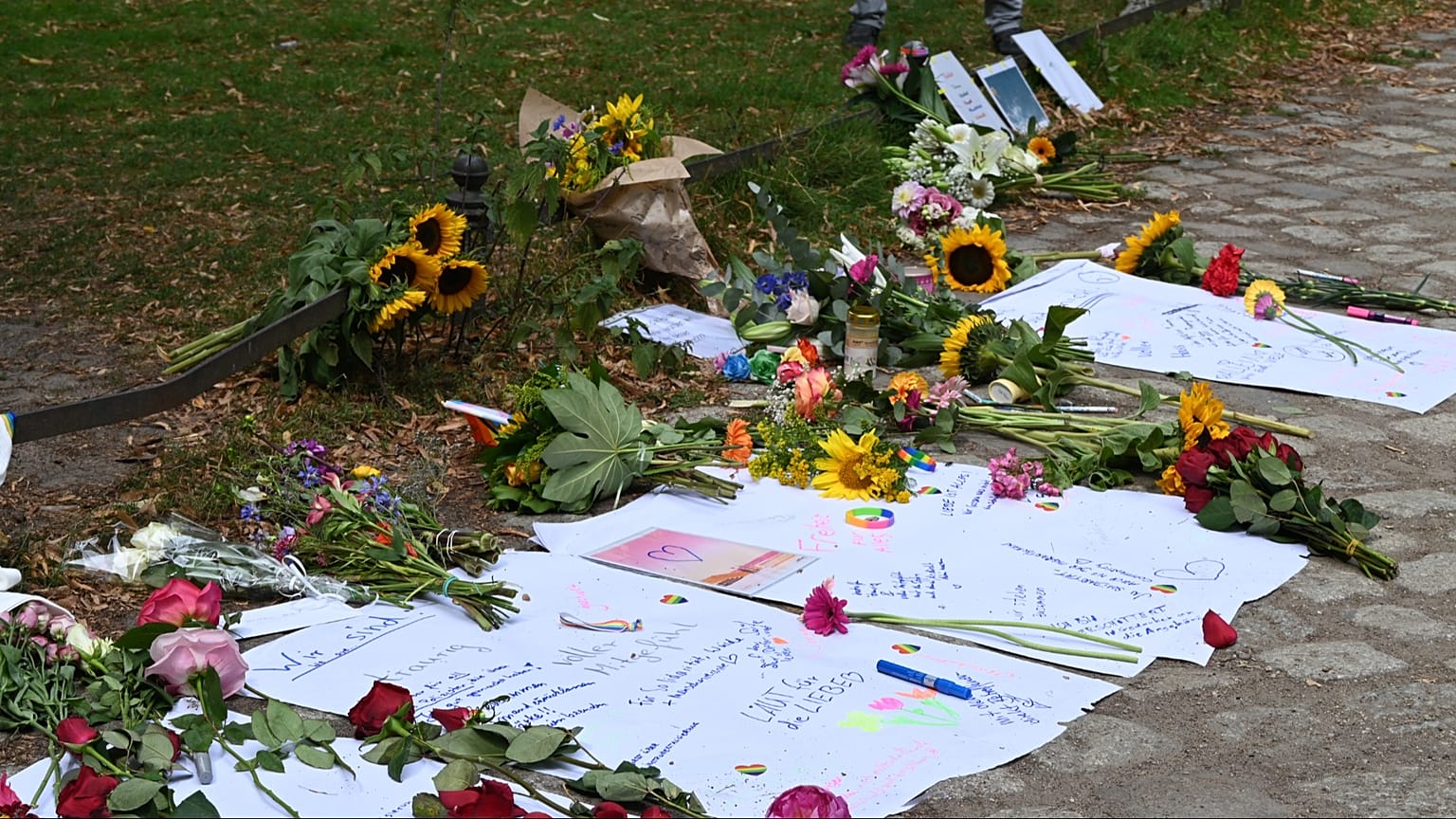

BERLIN – One woman is dead and 29 people injured after a van-and-machete attack on Berlin’s Christopher Street Day celebration on Friday, and the German government is now facing pointed demands about what failed in the counter-terrorism system that allowed the attacker to walk free two months before he killed.
The suspect, Abdul Ballout, 21, a German national of Lebanese origin, drove a vehicle into the crowd gathered near the Tiergarten on Friday evening and continued the assault with a machete. Police launched a citywide manhunt that concluded Saturday when officers tracked Ballout to a garden allotment in Berlin’s Spandau district. He was shot and killed during the arrest attempt.
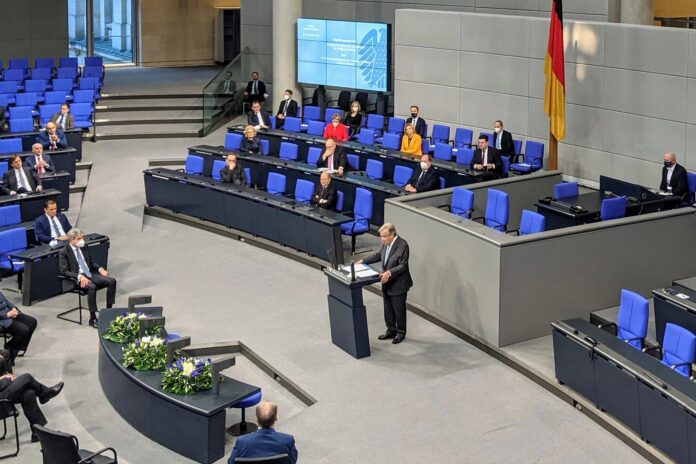
Chancellor Friedrich Merz condemned the attack as “an attack on our society” and pledged that Germany “will defend freedom.” Interior Minister Alexander Dobrindt formally classified the killing as an “Islamist terrorist attack” on Monday. As Euronews reported, Merz vowed the government would “make sure this horrific act is fully investigated and punished.”
The focal point is a decision made in May. Ballout was known to German authorities for years, classified as radicalized and violence-prone, and arrested at Berlin airport in 2025 returning from Lebanon on terrorism suspicion. He was released from pre-trial detention in May 2026, two months before Friday’s attack, and enrolled in a deradicalisation program. German authorities have not publicly stated whether his release was legally compelled or assessed as manageable risk. That gap is what Merz will need to answer.
Germany’s Justice Ministry is examining potential reforms to juvenile law given Ballout’s age, though his critics argue the suspect’s age is secondary to the intelligence and detention decisions that preceded the killing. The broader question – whether Germany’s legal framework for holding terrorism suspects is permissive enough to allow someone with Ballout’s profile to be free – is the argument opposition figures are pressing in parliament this week.
The attack came at a particularly charged moment for Merz. Just nine days before the CSD killing, Interior Minister Dobrindt raised Germany’s formal terror threat to high for the first time, citing bomb plots and active sabotage operations. The CSD attack arrived inside that elevated threat context, sharpening the question of why a radicalized suspect with documented ties to extremist networks was outside pre-trial detention when the government was already warning that attacks could come at any time.
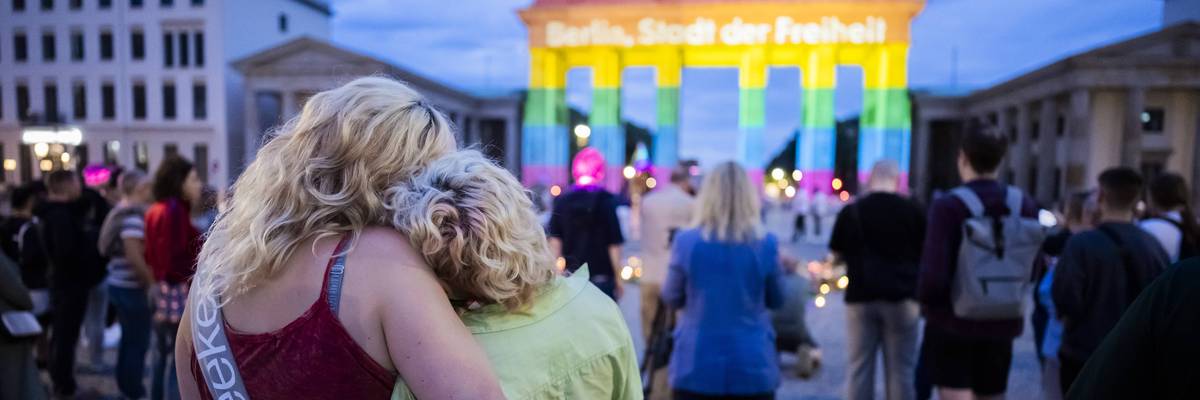
The political cost is compounding. Just before the attack, polling showed AfD leading Merz’s CDU by eight percentage points nationally, with 85 percent of Germans reporting disapproval of the chancellor. The Berlin CSD killing arrives into that political landscape as the kind of event that tends to entrench public feeling rather than shift it. Opposition figures demanded Monday a parliamentary investigation into the handling of Ballout’s case.
Christopher Street Day draws hundreds of thousands of participants to central Berlin each July. The symbolism of targeting that gathering is not incidental. Investigators have not yet released evidence establishing whether Ballout’s specific target selection was instructed by an external network, inspired by extremist content, or opportunistic – a distinction that carries different implications for how German security services assess comparable risk in the future.
Merz’s government announced a review but has not specified a timeline. The legislative path for any changes he might pursue – tighter pre-trial detention thresholds for terrorism suspects, expanded monitoring authority, adjusted certification standards for deradicalisation programs – carries coalition complications and civil liberties objections that have slowed German security legislation before. Whether those objections yield to political pressure after a public killing at a Pride event is the dynamic the next several weeks will test.
The official German government described the attack as “an attack on our free and open society” and confirmed that Merz pledged full prosecution of the perpetrators. What remains unanswered as of Monday is what Ballout’s handlers in the deradicalisation program knew about his mental state in the weeks before he drove into the crowd.