
BUSAN – UNESCO’s World Heritage Committee voted in emergency session here this week to place six sites on its endangered list: the ancient city of Sebastia in the occupied West Bank and five castles in the Mount Amel region of southern Lebanon, including Beaufort Castle. The listings, enacted under procedures reserved for sites threatened by active conflict, were adopted over Israel’s explicit objection.
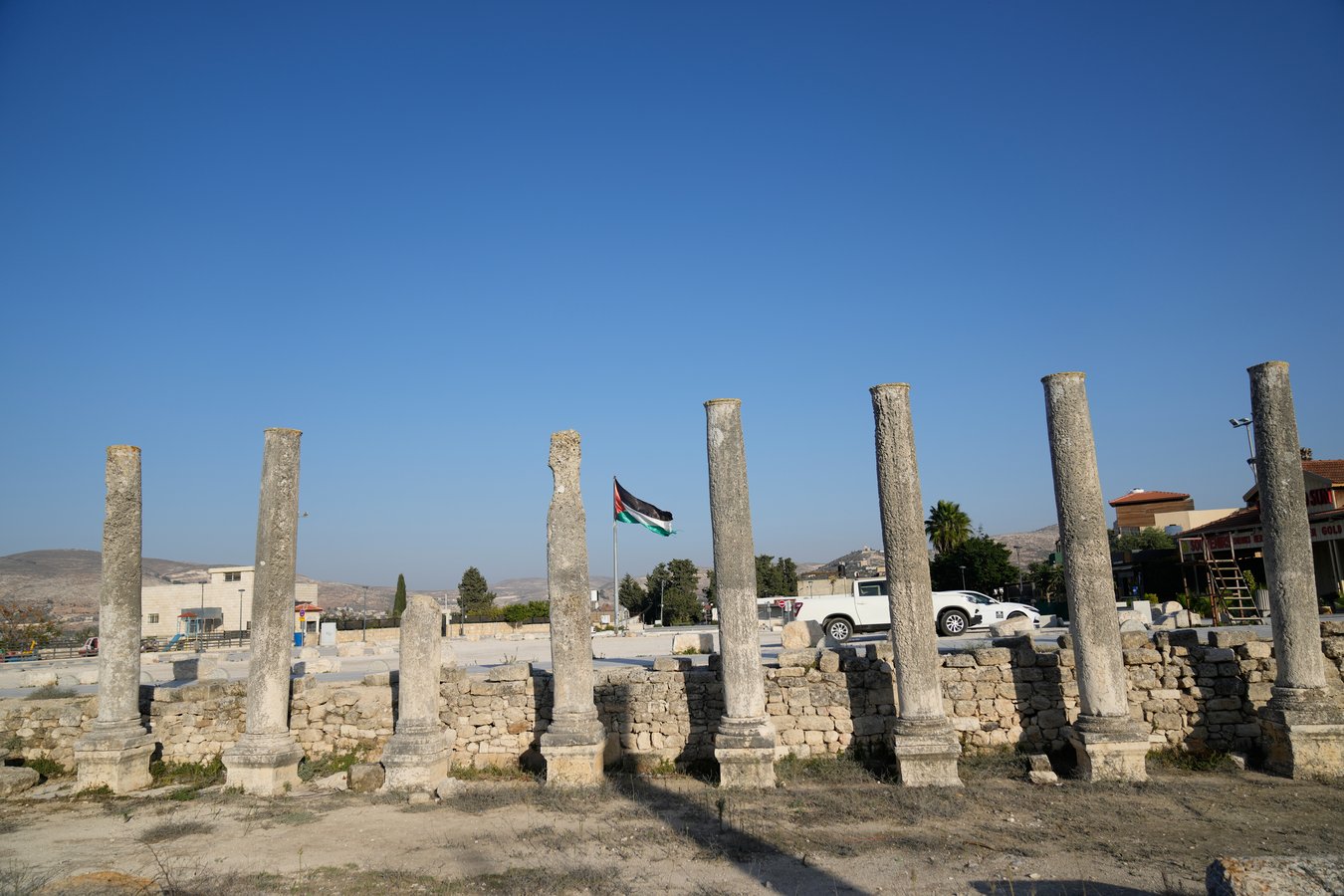
Sebastia, located near Nablus in the northern West Bank, carries centuries of archaeological layering, from Hellenistic and Roman occupation through Byzantine and Crusader periods. The Palestinian delegate to the committee said residents had continued to protect the site despite Israeli occupation and restrictions on access. Israel’s foreign ministry said the listing sought to erase what it called the “Jewish connection to this land,” a framing that UNESCO’s decision implicitly rejects by treating the occupied territory under international law rather than Israeli claims of historical sovereignty.
Israel left UNESCO in 2019, citing what it described as anti-Israel bias, and now participates only as an observer without voting rights. Its campaign against the West Bank listing was conducted from the margins of the proceedings. The vote went forward.
The five Lebanese castles, including Beaufort, Toron des Chevaliers, Yohmor and Shakif Tiroun, were listed under the same emergency procedure, which does not require the lengthy nomination process that precedes ordinary World Heritage designations. The emergency route is intended for sites where the pace of destruction outstrips the pace of bureaucratic process. Israeli forces have occupied parts of southern Lebanon since October 2023. The ceasefire that took effect in late 2024 has not resolved the question of final withdrawal, which remained incomplete at the time of the Busan vote.
Israel has specifically argued that Hezbollah used Beaufort Castle’s medieval fortifications and tunnel networks as military infrastructure. Lebanese officials and historical preservation bodies have contested that claim, arguing that the castle’s significance as a Crusader-era fortification is independent of any contemporary military use and that its listing is justified on heritage grounds. The UNESCO committee voted to list it regardless.
As Al Jazeera reported from Busan, the committee also added the ancient city of Tyre to the endangered list earlier in the week, extending the scope of what is effectively a documented record of conflict-area heritage sites at risk. The Busan session has produced a cluster of decisions that, taken together, constitute an institutional acknowledgment that the Lebanon-Israel theater is destroying places the international community has an obligation to track.
The West Bank listing sits within a broader international moment in which occupation-era conduct is being subjected to formal institutional scrutiny. The Netherlands banned imports from Israeli settlements in July, one of several European moves that have applied economic pressure to the occupation’s commercial dimensions. UNESCO’s decision addresses its cultural dimensions.
Sebastia’s significance goes beyond its physical condition. Archaeological sites in occupied territory are particularly vulnerable to the intersection of settlement expansion, military activity and deliberate destruction. Palestinian cultural officials have documented cases in which settler activity has damaged or destroyed archaeological material. The UNESCO listing creates a formal record of the site’s status and a mechanism for reporting further harm, even as enforcement depends on the willingness of the occupying power to cooperate.
The timing of the Lebanese listings intersects with the unresolved question of Israeli military withdrawal from southern Lebanon. As The Eastern Herald reported, the ceasefire’s first phase revealed the gap between diplomatic symbolism and actual Israeli withdrawal, with Lebanese civilians returning to villages the IDF had never fully occupied under the pilot zone framework. The castles listed in Busan sit in precisely the region where that gap has been most visible.
The Mount Amel castles represent a specific historical layer of the Lebanese south, Crusader military architecture that survived Ottoman rule, French colonial governance and the 1982 Israeli occupation largely intact. Their inclusion on the endangered list is not a finding that they have been destroyed, but that the conditions surrounding them are those in which destruction becomes plausible without international attention. Israel’s objection rests on the claim that Hezbollah’s use of the infrastructure changes its character; UNESCO’s answer, implicit in the vote, is that protected status follows the heritage, not the politics of who claims it.
What practical protection UNESCO’s endangered designation provides is limited. The committee can authorize international assistance, provide technical support and report findings. It cannot compel a withdrawal or prevent artillery fire. The listing’s value is primarily documentary and political: it establishes a record, raises international visibility, and creates reporting obligations that can be referenced in accountability proceedings. Whether that is adequate protection for sites in an active conflict zone is a question the Busan committee cannot answer from a conference room in South Korea.
Israel holds none of Beaufort Castle’s keys and attends UNESCO meetings only to observe. The decision was made in its absence, which is the point. The world’s cultural memory institution has ruled on what is worth protecting. Enforcement remains someone else’s problem.