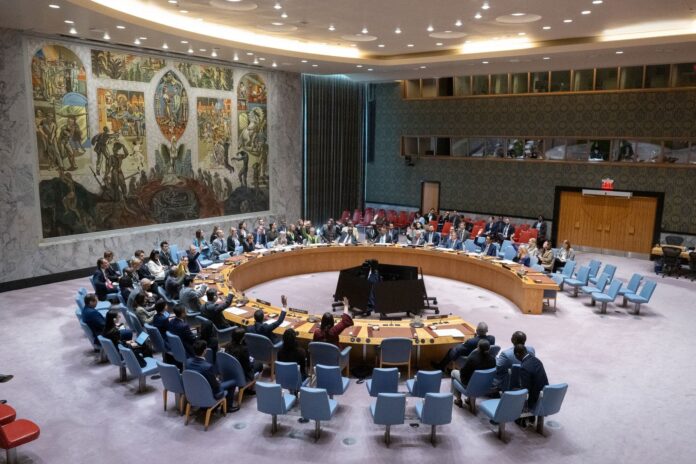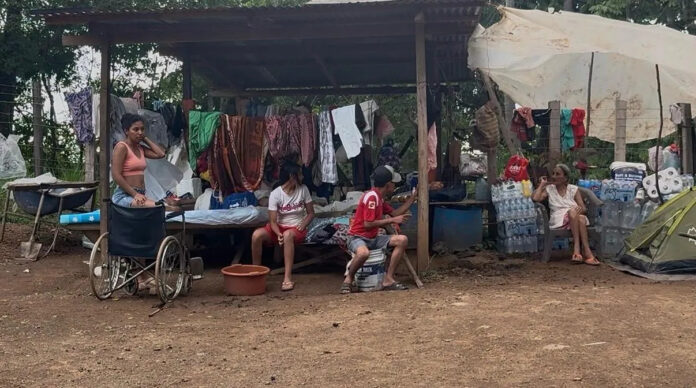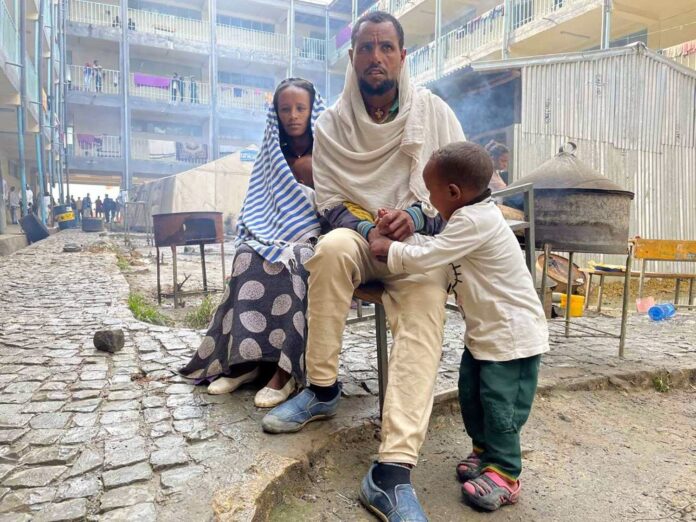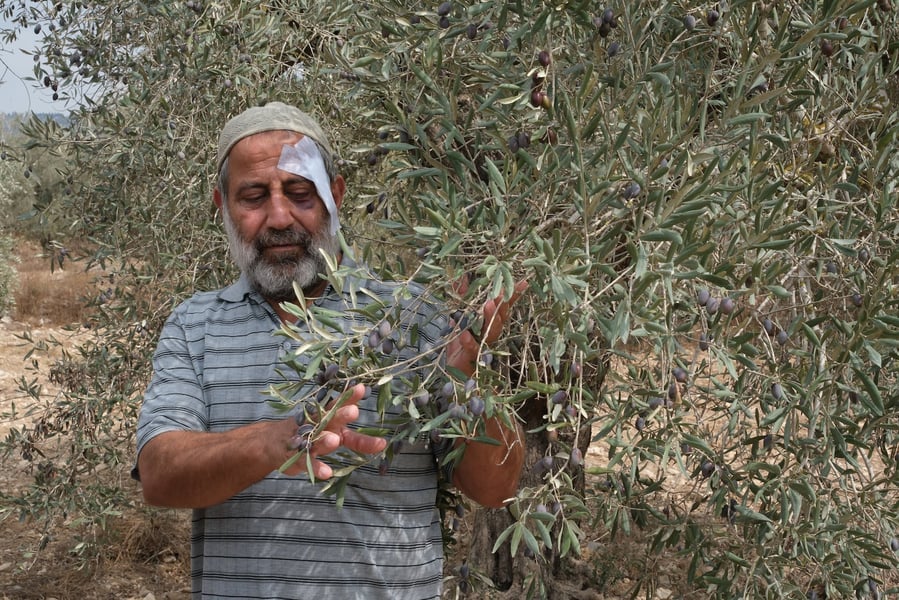

NEW YORK — Many Palestinian communities in the West Bank began picking their olives early this year, before the harvest officially opened on Thursday, to lower the risk of attack, the UN humanitarian office OCHA said. The precaution has not been enough. Settler attacks tied to the harvest have already passed the total for all of last season.
OCHA’s count, read out at the UN’s daily briefing by deputy spokesman Farhan Haq, is nearly 200 attacks that caused casualties or property damage, against 185 across the entire 2025 season. They have killed one Palestinian, injured more than 120 others and damaged more than 2,500 trees or saplings. About 80 per cent of the incidents came in the past two weeks.
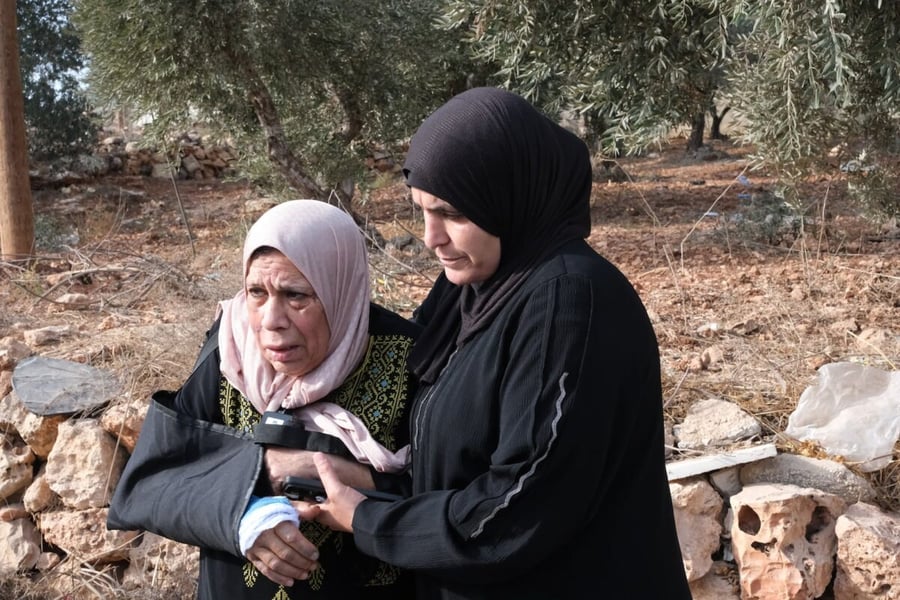
Abdul Latif Al Bazzari, 59, can tell you what a count of incidents leaves out. His cousin Ali Al Bazzari, a 44-year-old father of four, died on October 7 during a settler attack on the family’s grove near Nablus, according to The National. Standing where the man bled to death, Al Bazzari said his cousin “irrigated the tree with his blood,” and that eight people were hurt that day, two of them by gunfire.
Attacks this season have reached Areas A and B, where the Palestinian Authority holds full or partial control, The National reported, after earlier harvests were concentrated in Area C, which Israel fully controls. In Usarin, the paper said, Warda Adeli, 63, was badly hurt in a separate attack, and a son is in intensive care in Nablus.
The numbers do not line up. OCHA counts one death. The National counts two Palestinians killed by settlers since farmers reached their groves in late September, without saying who counted. Al Jazeera’s weekly roundup separately described two Palestinians shot dead on October 1 and 2, one as settlers stormed homes in Yasouf and one near an outpost outside Kobar, and the UN briefing does not say whether OCHA treats those cases as harvest-linked. Even the October 7 attack is counted differently: eight hurt, by the family’s account; nine wounded, by the Palestinian health ministry as relayed by Middle East Eye; 16 wounded in Al Jazeera’s headline, which cites Palestinian authorities and covers what it called a pogrom, without a breakdown by incident.
The Palestinian Colonization and Wall Resistance Commission, a Palestinian government body, logged at least 19 attacks on Friday, October 9, alone, Al Jazeera reported, among them more than 50 olive trees uprooted in Qusra, where settlers besieged a Palestinian home for weeks in August. The UN briefing does not say how its count relates to the commission’s.
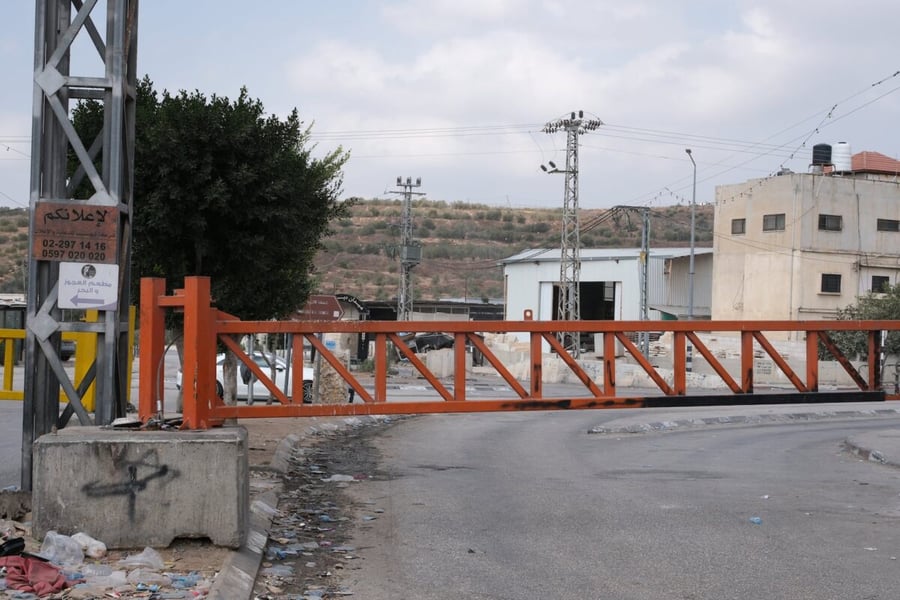
The same UN briefing carried a second olive story from Gaza, where partners cited destroyed groves, restricted access to farmland, particularly beyond the Yellow Line, and limits on agricultural supplies, engine oil and spare parts. Since late September, the UN and its partners have given harvesting tools to 60 olive farmers and supported six working presses, including with fuel. That is the scale of the response the briefing described. It also said several humanitarian facilities were hit on Wednesday by Israeli small-arms and artillery fire, and that Israeli forces reportedly fired near a UN convoy. No injuries were reported.
Israel’s own leaders disagree on how to describe the violence. President Isaac Herzog said politicians “have not done everything” to curb settler pogroms, while Prime Minister Benjamin Netanyahu called a mass attack on Jalud the work of a “small number” of rioters, Al Jazeera’s roundup reported. Twelve countries, Britain among them, announced on September 8 their intention to restrict trade with illegal Israeli settlements.
The briefing carried no Israeli response to OCHA’s figures, and it did not say how many groves are still unpicked.