
BRUSSELS — European leaders spent Thursday telling Washington that 200 billion euros in frozen Russian state money is not America’s to hold, and left a harder question open: who in Europe gets to spend it.
The American idea, raised with European officials on October 9, the same week the Trump administration eased Russian diesel sanctions, was to move some of the immobilized assets into a financial vehicle controlled by Washington, with the stated aim of unblocking peace talks. Euronews, relaying earlier press reports, said European delegates rejected it outright at talks in Miami.
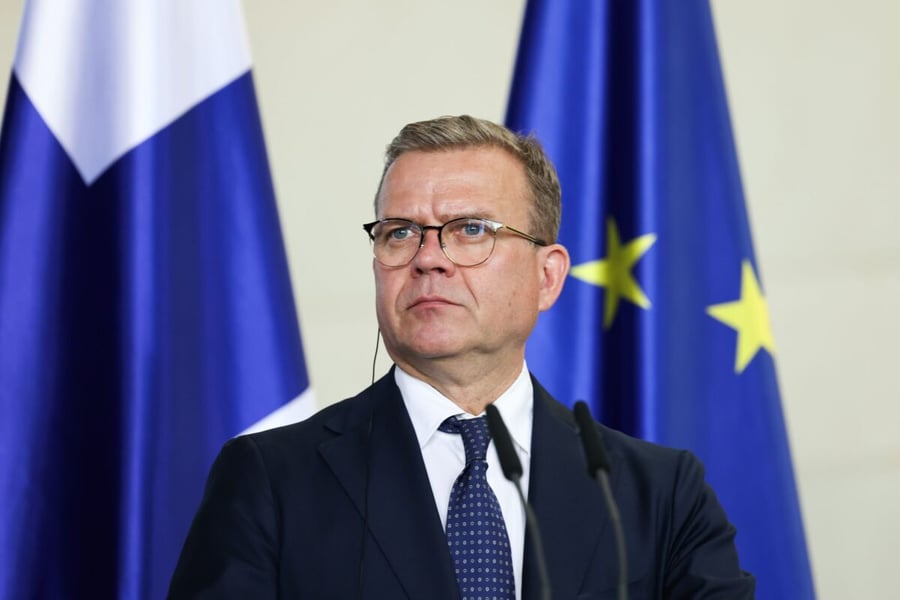
Finnish Prime Minister Petteri Orpo told journalists the idea “cannot be viewed positively in any way. Absolutely not.” German Chancellor Friedrich Merz told reporters the assets “are frozen in Europe, and they shall remain frozen in Europe.” That, he said, “is a matter for us, and we will decide it.”
Saying no was the easy part. Any transfer to American jurisdiction would need unanimity among the EU’s 27 members, the Kyiv Independent reported, and none of the leaders has said he backs it. The other idea, using the money for Ukraine, was shot down last December and is back this week after Kyiv stepped up its lobbying.
Orpo said a proposal would go forward on Thursday “to continue exploring ways to ensure that these frozen assets are used to support Ukraine.” The draft summit conclusions say only that leaders “will revert to the issue (of financing Ukraine) in a timely manner,” a promise to come back rather than a decision. Euronews reported that lending the assets directly to Ukraine is due to be raised on Friday, when Zelensky joins the summit.
The EU’s top diplomat, Kaja Kallas, listed “the frozen assets, the lifting of sanctions” among the things Russia is interested in and said “it is up to Europeans to decide.” On Monday the bloc blacklisted 826 Russian firms, its largest listing yet.
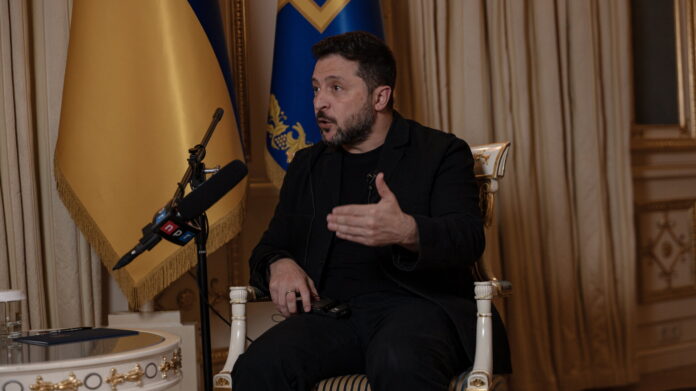
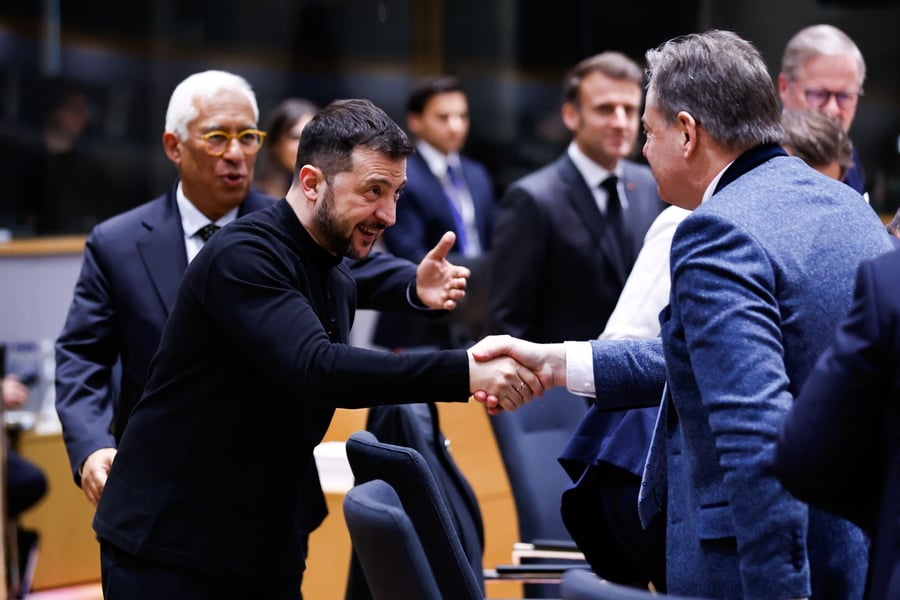
Zelensky arrived in Belgium to see Prime Minister Bart De Wever about finances before the summit, a Ukrainian diplomat told the Kyiv Independent, with the meeting expected at 8 p.m. local time. Most of the money sits at Euroclear in Belgium, which already faces a Russian court judgment over the same funds. Zelensky’s own post on arrival, below, lists the Belgian prime minister among his meetings.
Even the size of the pot is contested. The Kyiv Independent puts the immobilized assets at 200 billion euros, or $227 billion. Xinhua, reporting Merz’s remarks, gave the figure as about 210 billion euros, or $235 billion. Neither explains the gap.
The American proposal itself rests on press reports, and none of the accounts reviewed here quotes a US official on the record about it. Nor had anyone reported what De Wever told Zelensky at 8 p.m. when this was filed.