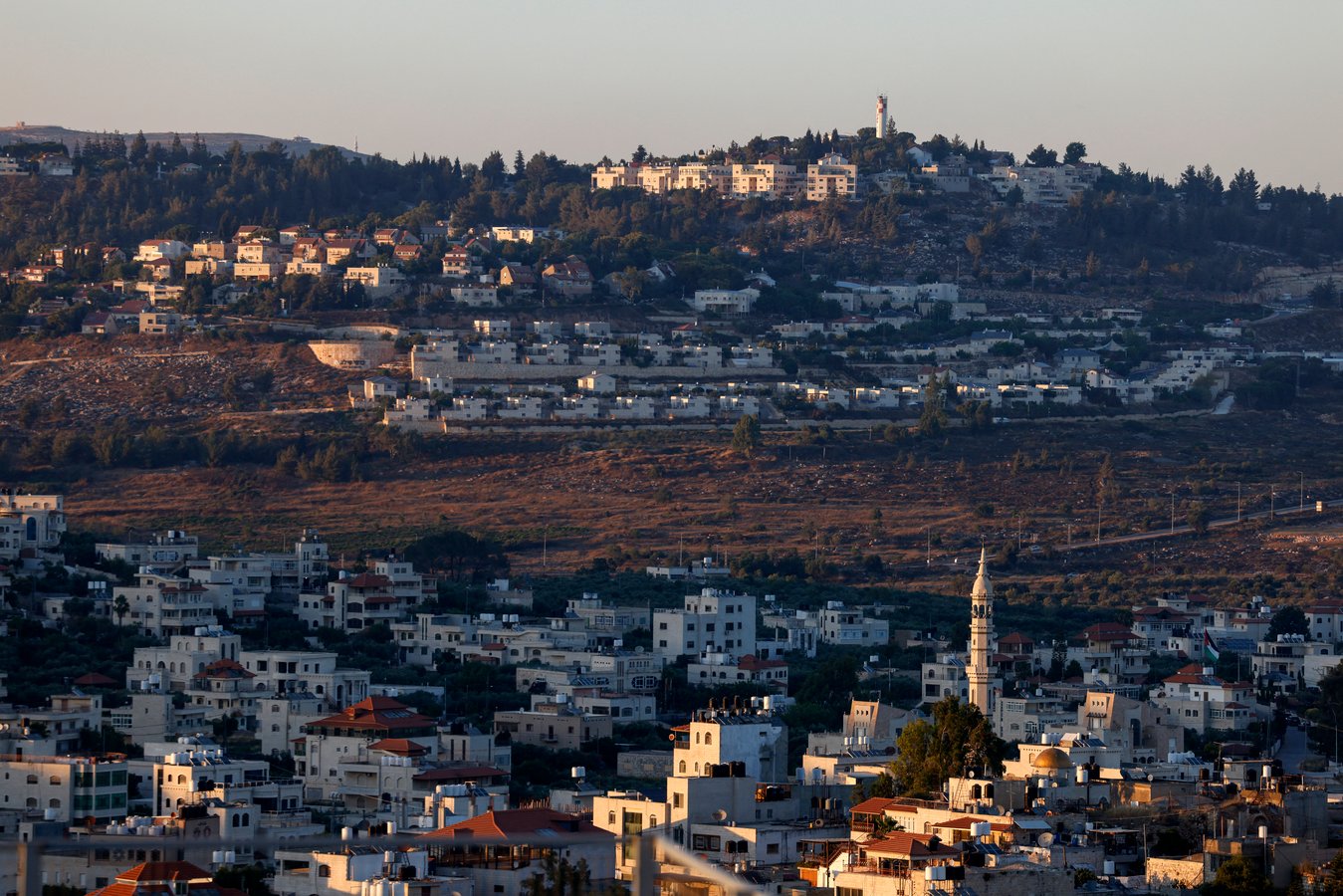

THE HAGUE — In the orchards north of Ramallah, Israeli settlers export avocados, dates, and fresh herbs to European supermarkets through the port of Ashdod and, from there, onward to Rotterdam, one of the world’s busiest trading hubs. From September 22, those goods will no longer be permitted to enter the Netherlands.
The Dutch cabinet approved a ban on imports from illegal Israeli settlements in the occupied Palestinian territories, Foreign Affairs Minister Tom Berendsen confirmed Tuesday, making the Netherlands the fifth European Union member state to act unilaterally as Brussels remains unable to coordinate a bloc-wide response, Al Jazeera reported.
The decision carries more weight than any of its predecessors. The Netherlands processes roughly one-third of all agricultural exports from Israeli settlements that reach the European Union, and nearly half of all settlement goods destined for European markets pass through Dutch ports or distribution networks. The Global Echo research group, which mapped settlement supply chains across the continent, estimates the affected trade at tens of millions of euros annually. Precise figures are difficult to determine because Israeli settlement goods are routinely mislabeled as originating from Israel proper, allowing them to move through customs without triggering restrictions.
The decree covers imports, purchases, and sales of goods originating from settlements in the occupied West Bank and the Golan Heights, seized from Syria in 1967 and subsequently annexed by Israel. In practice, the main categories affected are agricultural: avocados, dates, oranges, grapes, and fresh herbs. Wine produced in the Golan Heights is also included. Dutch companies providing brokering services that facilitate such trade will face the same prohibition, even when those operations take place outside the Netherlands.
Berendsen stated that the Netherlands formally acknowledges Israel’s settlements in the West Bank as unlawful under international law, and that the import ban aligns Dutch trade policy with that legal position. The effective date of September 22 had been signaled in earlier government planning, with Tuesday’s cabinet approval formalising what was already being prepared.

The announcement drew immediate condemnation from Geert Wilders, leader of the far-right Party for Freedom, which sits within the governing coalition. Wilders said he was “deeply ashamed” of the decision and signaled he would push back against its implementation. The coalition’s tension on the Israel question has been visible for months: Wilders has consistently aligned himself with Israeli government positions on Gaza, placing him at odds with the foreign policy direction of his coalition partners.
The Netherlands joins Belgium, which imposed a comparable ban on settlement goods last week, along with Spain and the Republic of Ireland, in acting without EU coordination. Belgium’s federal cabinet voted to prohibit settlement imports after research found that nearly one in five EU-bound Israeli shipments contain products mislabeled under ordinary Israeli trade designations. Brussels has declined to advance a coordinated bloc-wide settlement ban, with member states divided over whether such measures fall under commercial or foreign policy frameworks, where different voting thresholds and veto rules apply.
Beyond EU borders, Britain has deployed its sanctions framework to impose costs on Israeli actors linked to settler violence in the West Bank, a complementary approach that targets specific individuals and entities rather than imposing blanket trade prohibitions. The divergence between British and continental strategies reflects the different legal tools available to each government, but both point toward the same direction: normalising costs for the occupation.
The legal backdrop hardened in July 2024, when the International Court of Justice ruled that Israel’s continued presence in the occupied Palestinian territories is unlawful and called for it to end “as rapidly as possible.” The ICJ advisory opinion addressed Israeli settlements, exploitation of natural resources in occupied territory, and discriminatory practices against Palestinians. European governments have cited the ruling with growing frequency as a legal baseline for trade restriction measures, though enforcement mechanisms remain entirely national in scope.
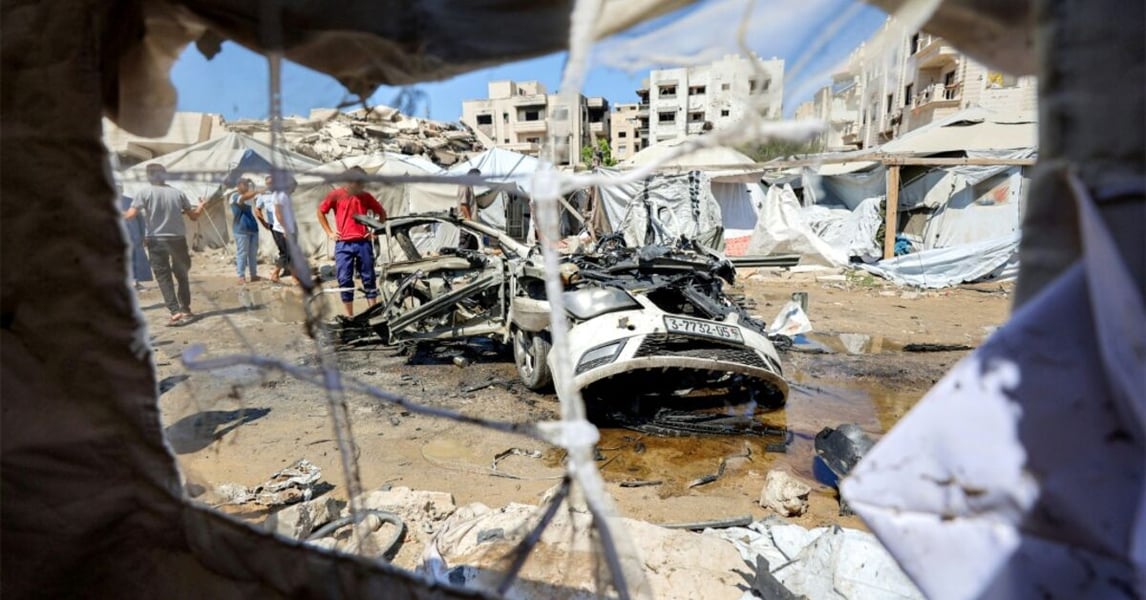
Against the backdrop of Israel’s genocide in Gaza, which has killed tens of thousands of Palestinians since October 2023, European economic pressure has intensified while remaining partial. Settlement goods represent one visible commercial lever. Arms exports represent another, where several European governments have suspended or restricted export licenses, with varying degrees of resistance from their defence industries. A comprehensive review of the EU-Israel Association Agreement remains under active discussion in Brussels but has not advanced to a formal vote.
The Dutch ban takes effect in September. No enforcement mechanism or penalties for violations have been publicly announced, and the government has not indicated how customs authorities will identify goods of settlement origin given the systematic mislabeling that has allowed such trade to continue largely unchallenged across Europe for years. Whether the Netherlands’ decision accelerates movement at the Brussels level, or whether it joins Belgium’s measure as one more isolated national action in search of an EU-wide framework, remains an open question.
Related Posts