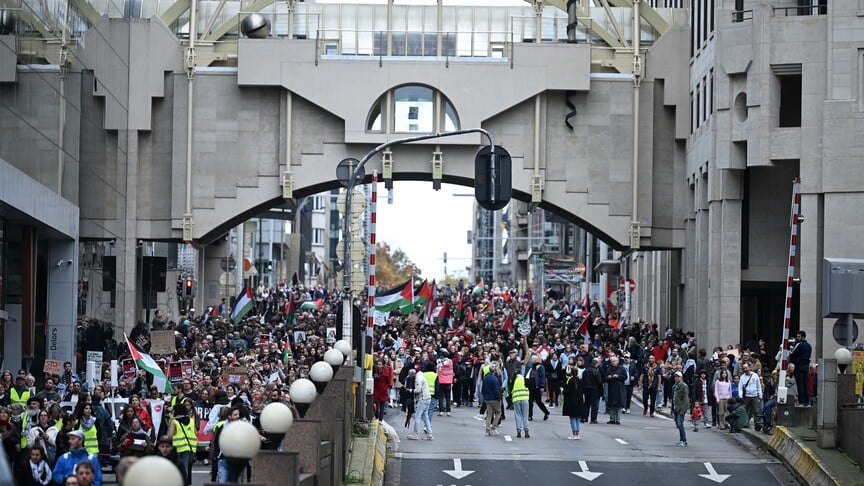

BRUSSELS – The strawberries arrive labeled as Israeli. So do the herbs, the cherry tomatoes, the dates. Some come from kibbutzim within Israel’s 1948 borders. But a significant portion, according to a forensic examination of over 30,000 shipping documents, originates in illegal settlements built on occupied Palestinian land in the West Bank and Golan Heights, blended with genuine Israeli stock before export. Belgium’s cabinet decided Friday that its supermarket shelves should not be part of that supply chain.
At its last meeting before the summer recess, the Belgian federal government approved a ban on importing goods produced in Israeli settlements in the occupied Palestinian territories, Anadolu Agency reported, citing Belga, the Belgian national news agency. The implementation details have not yet been finalized. Belgium is the fifth European Union member state to act unilaterally on this question, joining Spain, the Netherlands, Slovenia, and Ireland, which enacted its own ban on July 15, because the EU as a body has not.
The political gap between what individual governments want and what the bloc will deliver has become the defining tension in Europe’s response to the genocide in Gaza. Belgian Foreign Minister Maxime Prevot pressed his EU counterparts at a closed-door meeting in Brussels earlier this week, telling them the European Commission was offering governments “a bone to chew on” rather than a genuine action plan. Prevot had specifically sought a bloc-wide ban and left the meeting without one, Al Jazeera reported.
The EU’s reluctance is not without structural explanation. Israel is among the bloc’s largest non-European trading partners, with bilateral trade reaching 43 billion euros ($49 billion) last year, making the EU the single largest buyer of Israeli exports, purchasing close to 30 percent. A bloc-wide ban on settlement goods would require political consensus that member states closer to Israel have historically blocked.
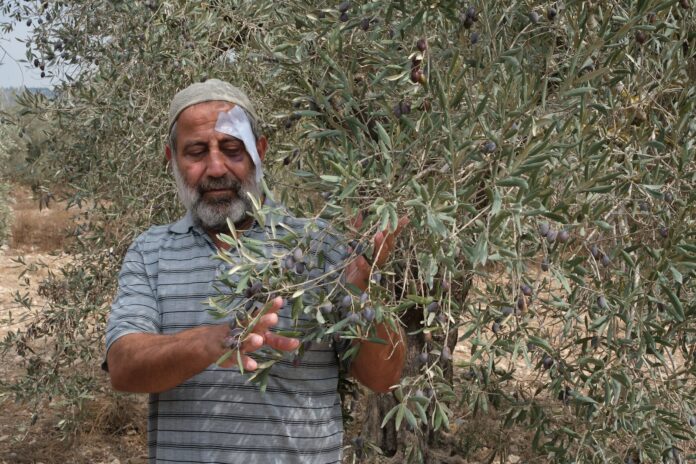
What makes Belgium’s decision significant is not just its addition to the list but the evidence that sits behind it. The Global Echo Litigation Center, which examined more than 30,000 export documents covering thousands of Israeli agricultural shipments to Europe, found that roughly one in six contained goods grown in settlements, rising to nearly one in five for EU-bound shipments specifically. The producers frequently obscured the true origin: settlement produce was labeled as Israeli, blended with legitimate Israeli stock, or shipped under addresses unconnected to the actual growing site. European consumers have been systematically misled about where their food originates.
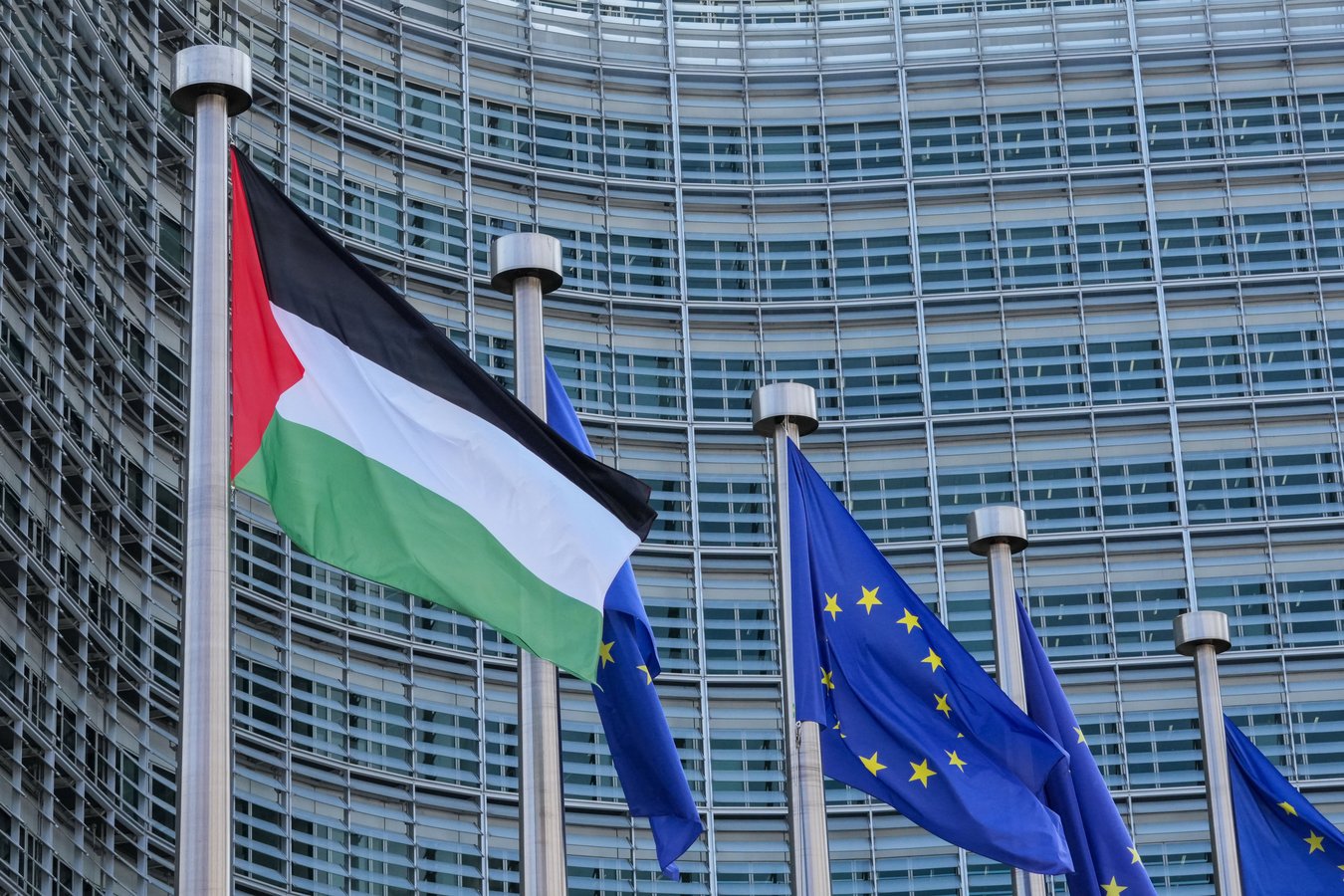
Belgium is not arriving late to this issue. In September 2025, Belgium formally committed to recognizing Palestinian statehood at the United Nations, a decision accompanied by 12 punitive measures against Israel including settlement import restrictions. Friday’s cabinet decision appears to formalize and expand that commitment into binding law.
The context in which this decision arrives is one of sustained mass killing. Israeli ceasefire violations since October 10, 2025, have killed more than 1,100 Palestinians and injured more than 3,600, according to Gaza’s health ministry. Since the military campaign began in October 2023, more than 73,000 Palestinians have been killed, over 173,000 wounded, and approximately 90 percent of civilian infrastructure in the enclave destroyed. Those figures have driven five European governments to act without waiting for Brussels.
Five former senior European officials, including former Italian Prime Minister Enrico Letta and former German Vice Chancellor Sigmar Gabriel, have publicly called for the EU to enact a bloc-wide ban, arguing that national measures carry limited practical weight because goods can move freely between EU member states once they have cleared customs in any one of them. A crate of West Bank produce banned in Belgium can still enter the EU through Rotterdam, cleared as Israeli, and legally transit to Belgian retailers through the single market. National bans are political signals as much as they are enforcement mechanisms.
The Belgian government did not, on Friday, describe a customs verification system or a timeline for the ban to take effect, leaving open the question of whether it will function differently from the five-year-old EU labeling requirement for settlement products, which exporters have demonstrably circumvented in large volumes. That detail matters. A ban without the infrastructure to distinguish settlement goods from genuine Israeli goods is a declaration more than a prohibition.
What the pattern of national bans does establish is that European governments increasingly do not believe they can afford to wait for EU-level consensus that may never materialize. Five nations, each acting independently, have made the same calculation: that the political cost of waiting exceeds the diplomatic discomfort of moving ahead of Brussels. Whether Belgium’s action changes anything at the level of trade enforcement, or whether it accelerates pressure on the European Commission to finally move, that answer is not yet available.