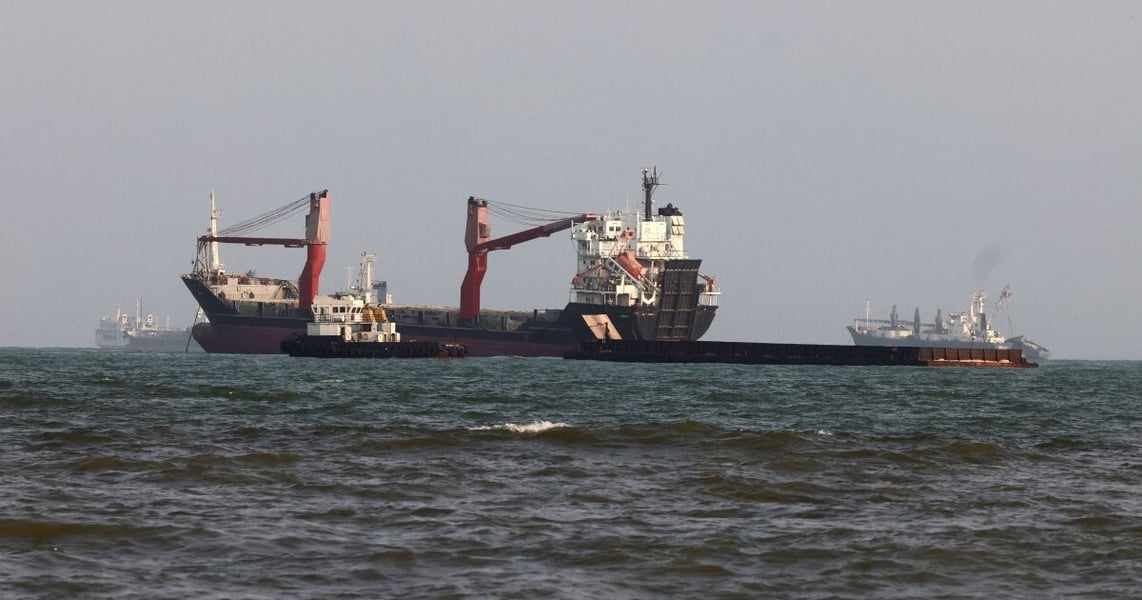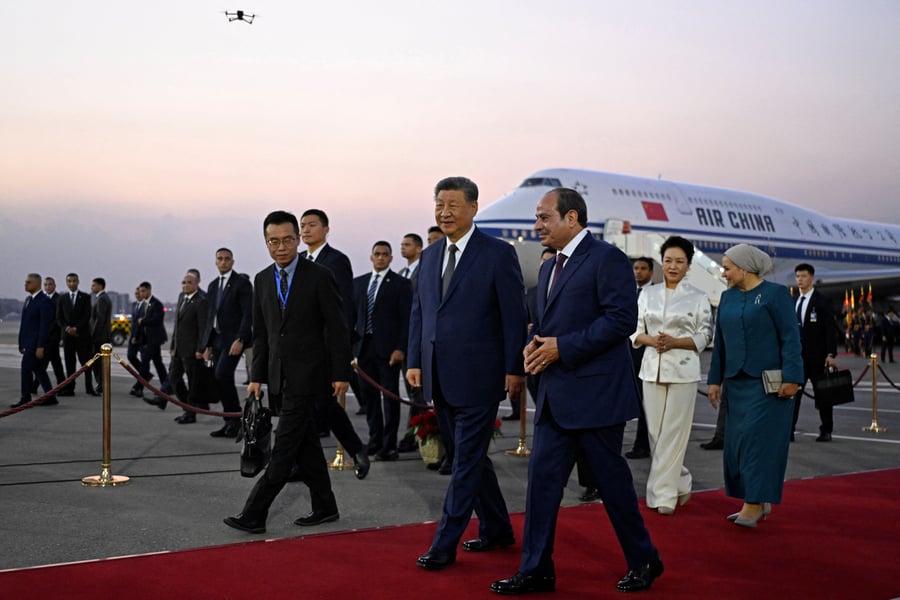

CAIRO — Egypt has spent six months navigating the Iran war’s consequences — a near-closed Strait of Hormuz, disrupted Red Sea shipping, and a United States Treasury Department expanding financial pressure toward Egyptian institutions with ties to Tehran. When Xi Jinping landed at Cairo International Airport on Tuesday for a two-day state visit, he arrived as the leader of the one major power still willing to expand its presence in a region Washington has left more unstable than it found it.
The visit, Xi’s first to Egypt in a decade, opened in ceremony. President Abdel Fattah el-Sisi received Xi and his wife at the airport with an official escort and a folk dance performance, marking the occasion as something more than a diplomatic transit, as described in dispatches on his arrival. The two governments are expected to sign agreements in artificial intelligence, transport, energy, and Suez Canal Economic Zone investment — sectors that, taken together, sketch the outline of what China wants from Egypt: a logistics and financial gateway to the Arab world that does not require American permission to function.
Xi said he looked forward to “renewing the friendship” with Sisi. That is diplomatic language, but not empty language. China-Egypt trade reached a surplus of $12 billion in Beijing’s favour in the first seven months of 2026, a figure that reflects the deepening asymmetry of a relationship where China exports manufactured goods and technology and Egypt offers its geography, its Suez Canal revenues, and its standing with multiple competing regional powers simultaneously.
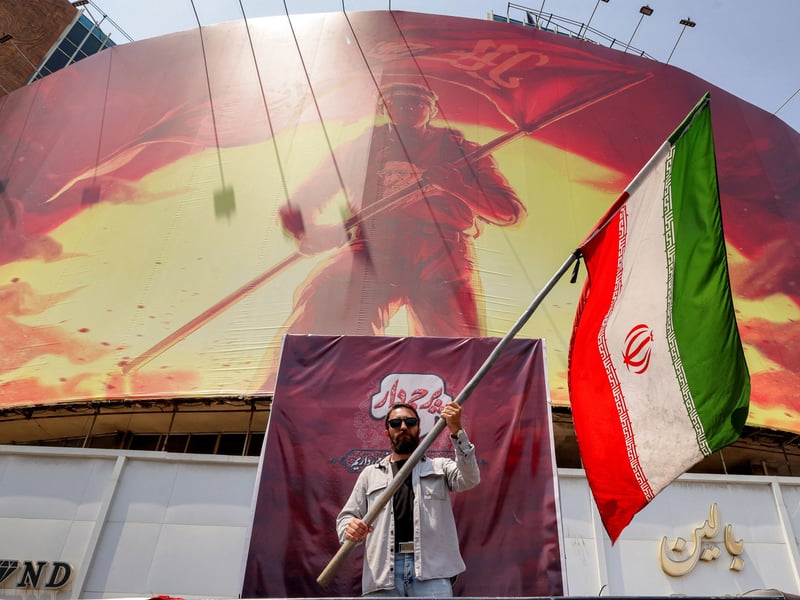
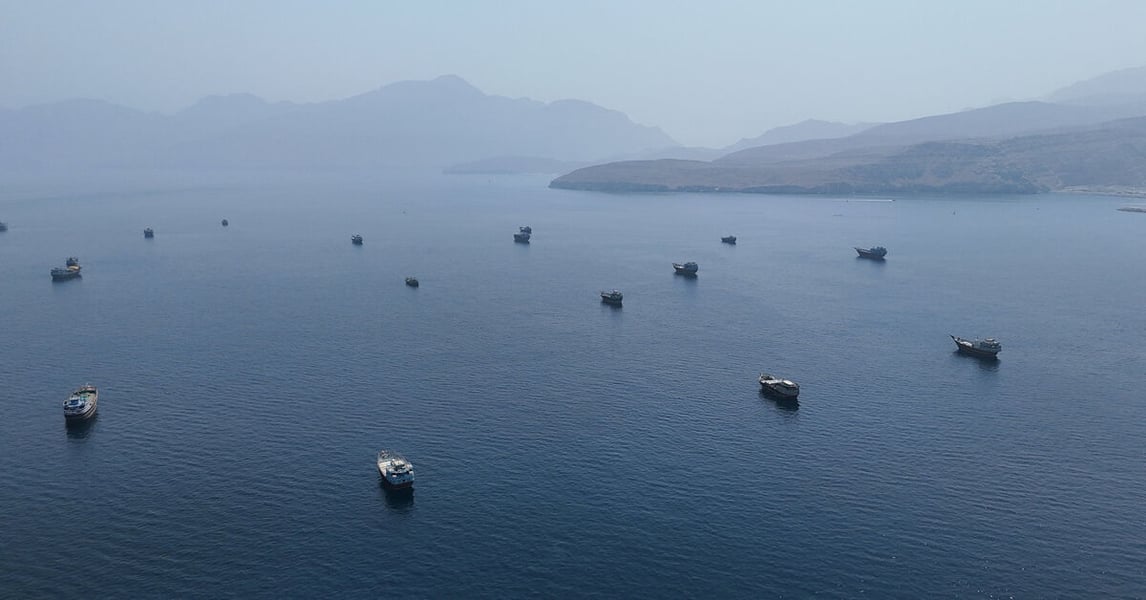
The Iran war is the context that makes Tuesday’s visit more than a bilateral review. Both China and Egypt are under active US pressure over their financial dealings with Tehran. China purchases the vast majority of Iranian oil exports, making it the Islamic Republic’s economic lifeline in a period of severe Western sanctions. Egypt’s state bank, Banque Misr, had branches in the United Arab Emirates targeted by US Treasury restrictions last week for alleged dollar transactions with Iranian-linked entities — as EH has reported in coverage of the Hormuz shipping restrictions that have pressed Gulf economies to their limits.
Washington’s approach to both countries has been consistent: align your financial systems with American war aims, or face the consequences. Beijing’s approach to the same situation has been different. China has called for a lasting ceasefire, maintained its Iranian energy purchases, and sent its president to Cairo the same week Egypt’s banking sector absorbed a fresh American sanctions action. The visit is not subtle in its timing.
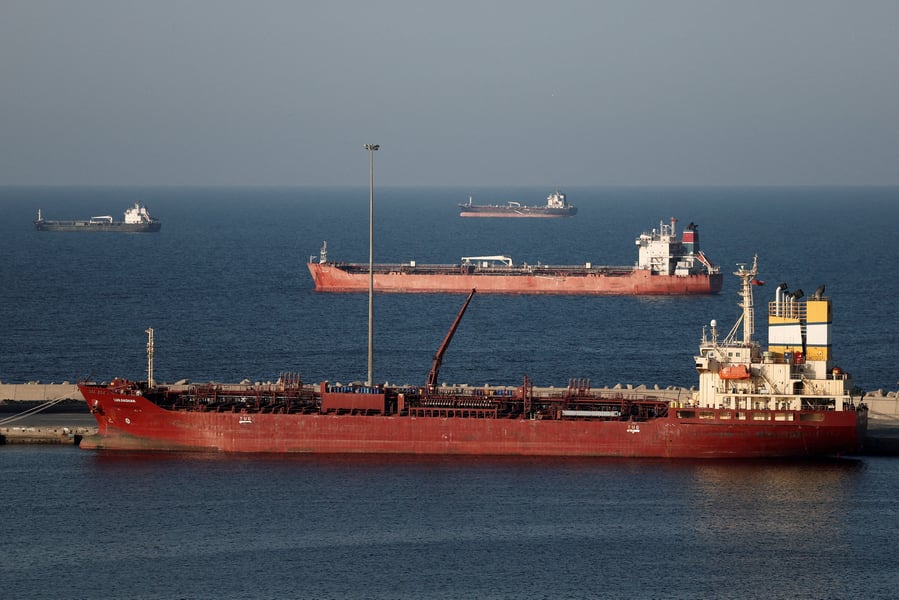
Analysts who track China’s Middle East engagement describe Egypt as a “strategic power broker” in Beijing’s regional calculus. Cairo maintains relations with Iran, Israel, Saudi Arabia, the United States, and Russia simultaneously, a set of relationships no single other capital can claim. That positioning is exactly what China needs in a region where it cannot afford to be seen as a combatant in anyone’s war. Egypt’s neutrality is, from Beijing’s perspective, an asset worth investing in.
The summit’s formal agenda for Wednesday’s bilateral — Gaza, Iran, and Red Sea and Hormuz shipping routes — will test whether the diplomatic language of the arrival day can produce anything operational. Egypt has pushed for months for a Gaza ceasefire and a diplomatic end to the US-Iran war, both on humanitarian grounds and on the straightforward calculation that the disruption to its Suez Canal revenues, which have fallen sharply as Red Sea traffic has declined, is economically unsustainable. China’s position on both issues is broadly aligned with Cairo’s. Whether that alignment translates into coordinated diplomatic pressure on Washington is less clear.
The visit precedes Xi’s expected meeting with President Donald Trump later in September, a sequence that regional analysts note is deliberate. Beijing reinforcing its relationships with US-aligned Arab partners before sitting down with Washington is a negotiating posture. It signals that China has options and relationships that predate any bilateral with the United States — a point Beijing made explicitly since the Russia-China partnership described as “a model of interstate relations” at the SCO summit in Bishkek less than forty-eight hours earlier.
There are things the Cairo visit will not resolve. The US has not indicated any willingness to reduce sanctions pressure on Egyptian institutions over their Iran ties. Beijing has not stated publicly that it would defend Egypt from US Treasury actions or offer a financial mechanism to shield Cairo from dollar-system pressure. Whether those subjects are discussed privately on Wednesday, and how, is not knowable from the outside.
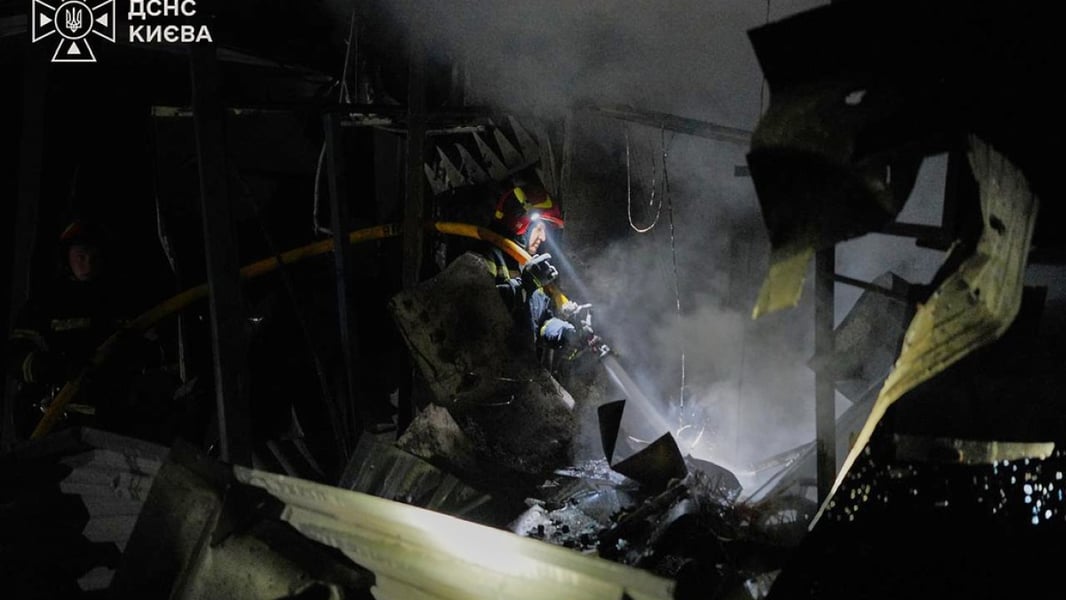
What is knowable is the sequence. One day after the latest missile exchange between Iran and US forces in the Gulf, as the region processed the implications of a war showing no signs of resolution, China sent its president to the capital that sits at the intersection of the greatest chokepoints of global commerce — the Red Sea, the Suez Canal, and the routes around or through both.
Egypt’s question, the one Tuesday’s ceremony opened rather than answered, is what China can actually deliver. Agreements in AI and transport infrastructure are long-term investments. Suez Canal revenues that have fallen because of the Iran war will not recover while that war continues. What Egypt needs most — a ceasefire, a reopened Strait of Hormuz, a reduction in US pressure on its financial institutions — are not within China’s unilateral power to provide. What China can provide, and has, is the message that Egypt is not alone in refusing to subordinate its interests entirely to Washington’s war.
Whether that message is enough for Cairo, and what Cairo offers in return at Wednesday’s summit, are the questions the visit has not yet answered.
Related Posts