
SANAA – Saudi airstrikes hit the Houthi-controlled naval base in Hodeida and targets on Kamaran Island late Friday, marking the most direct Saudi military engagement against Houthi infrastructure in three years. One woman was wounded on Kamaran Island, Houthi media reported. At Hodeida’s port, witnesses described explosions; Saudi military spokesman Major-General Turki al-Maliki denied that the facility had been targeted.
The Houthi Foreign Ministry offered a succinct reply. “By targeting Hodeidah, the Saudi regime has made ‘escalation for escalation’ the defining feature,” it said in a statement Saturday, warning that the strikes would carry costs for Riyadh. The phrase has become the Houthi framework for responding to attacks on their territory: reciprocal pressure escalated to match or exceed what was received, with the Red Sea as the instrument.
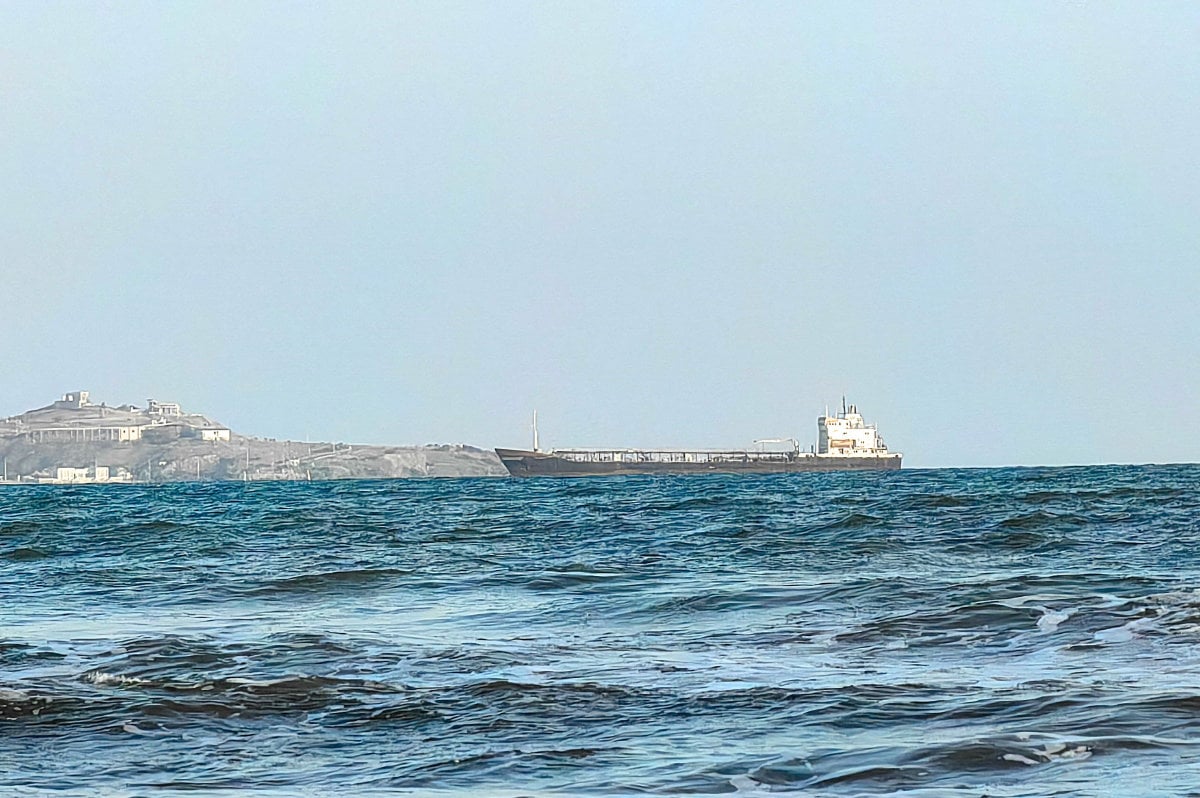
Saudi Arabia’s decision to strike directly at Houthi naval infrastructure followed a week that tested the limits of its earlier restraint. The Houthis on July 20 declared a naval blockade targeting Saudi shipping, a significant escalation in their use of the Red Sea as a pressure tool. Two Saudi oil tankers were struck by Houthi drones and missiles on July 22, sending oil prices above $100 a barrel. Missiles launched toward Yanbu, the site of Saudi Arabia’s major Red Sea export terminal, were intercepted before reaching the facility.
Brent crude’s breach of $100 per barrel signaled to energy markets that the Houthi campaign had moved from targeting international shipping to pursuing Saudi infrastructure directly. Hodeida’s naval base is the facility most directly linked to Houthi military operations in the Red Sea; striking it represents a different logic from the coastal patrols and interceptions that had characterized Saudi responses for most of 2026, Al Jazeera reported.
Al-Maliki called Houthi Red Sea attacks “cowardly and reckless” and said Saudi Arabia would “take all necessary operational actions” if the attacks continued. The statement matched the pattern that precedes significant Saudi military action but left unspecified what the next tier of escalation would look like. Saudi Arabia had been reluctant through most of 2026 to engage in sustained direct strikes on Yemen’s western coast, partly because of the damage such strikes caused to civilian infrastructure and their international reception during the earlier phase of the war.
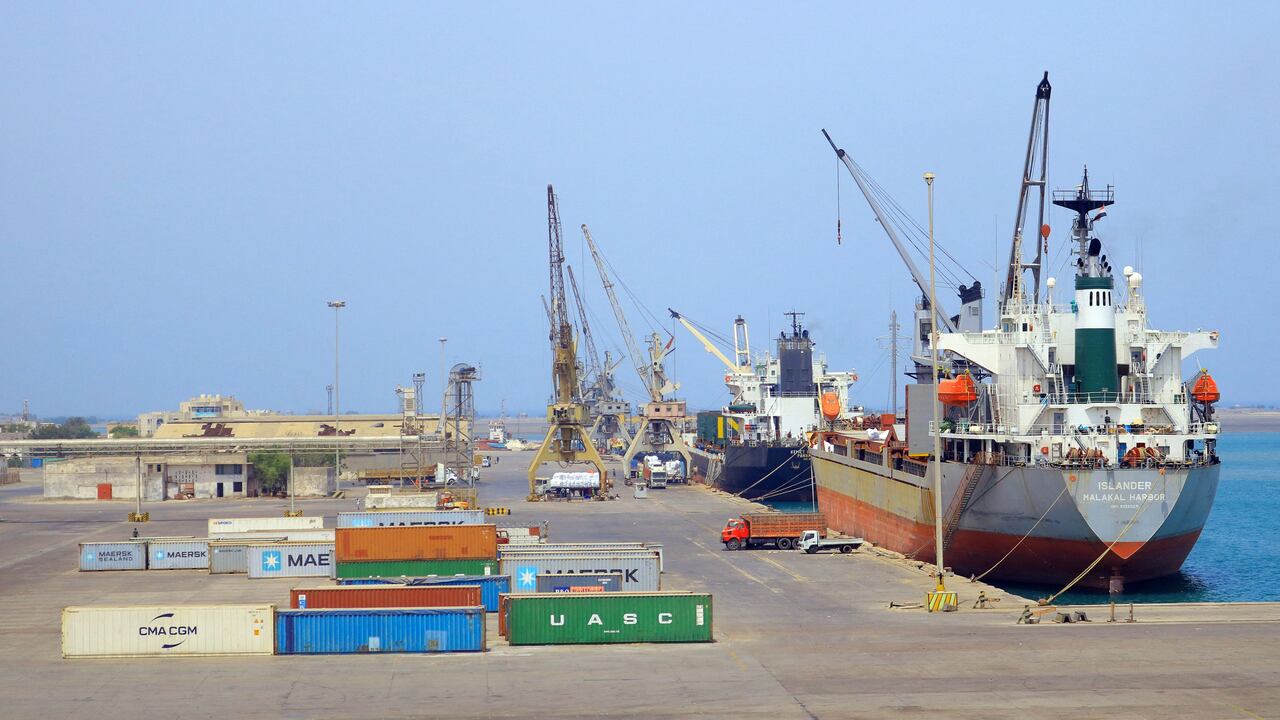
Hodeida port handles a substantial share of Yemen’s humanitarian imports and fuel arrivals. Striking its naval base, distinct from the commercial port facility, threads a needle Riyadh has maintained throughout its Yemen campaign: military pressure on Houthi maritime operations without, Saudi officials insist, targeting civilian infrastructure. Whether that distinction is sustainable as the campaign develops is a question the UN has flagged in similar previous situations, and the witnesses who heard port-area explosions will complicate the official line.
The broader picture includes the third week of US operations against Iran, which has added complexity to the regional security calculus. The Houthis receive weapons, intelligence, and training support from Iran; Saudi Arabia has diplomatic stakes in how directly aligned Washington’s Iran campaign makes it with Saudi interests. American strikes against Iranian targets have already destabilized the military balance across the Gulf, and the Houthis are Iran’s most active proxy in this phase of the conflict. Whether the Saudi strikes on Hodeida were informed by or coordinated with US operational planning is not something either government has stated.
The 2022 truce between Saudi Arabia and the Houthis held in an informal and increasingly fraying form until earlier this year. Its partial collapse was gradual, accelerated by Houthi Red Sea operations against Israeli and US-linked shipping and then extended to Saudi shipping as the confrontation widened. The July 20 naval blockade declaration formalized a posture the Houthis had been executing informally for months, and Friday’s Saudi response signals that the period of restrained counteraction is over.
Friday’s strikes also hit telecommunications authority facilities in Hodeida, an unusual target that suggests Saudi Arabia was not limiting its response to the naval dimension alone. Houthi media reported one injury on Kamaran Island; the overall casualty count from the strikes was low, suggesting the operation was designed more as a demonstration than a large-scale degradation campaign.
What Riyadh intends by striking Hodeida is not fully clear from Friday’s action alone. A strike on a naval base and an island can carry a deterrence message, a retaliatory signal, or mark the opening of a sustained campaign. The Houthi “escalation for escalation” framework does not differentiate between those possibilities. Whether the next 48 to 72 hours brought a Houthi response, and what form it took, was not known at the time of this report. That window, between a warning shot and a new military campaign, will close or remain open depending on what Sanaa decides to do next.