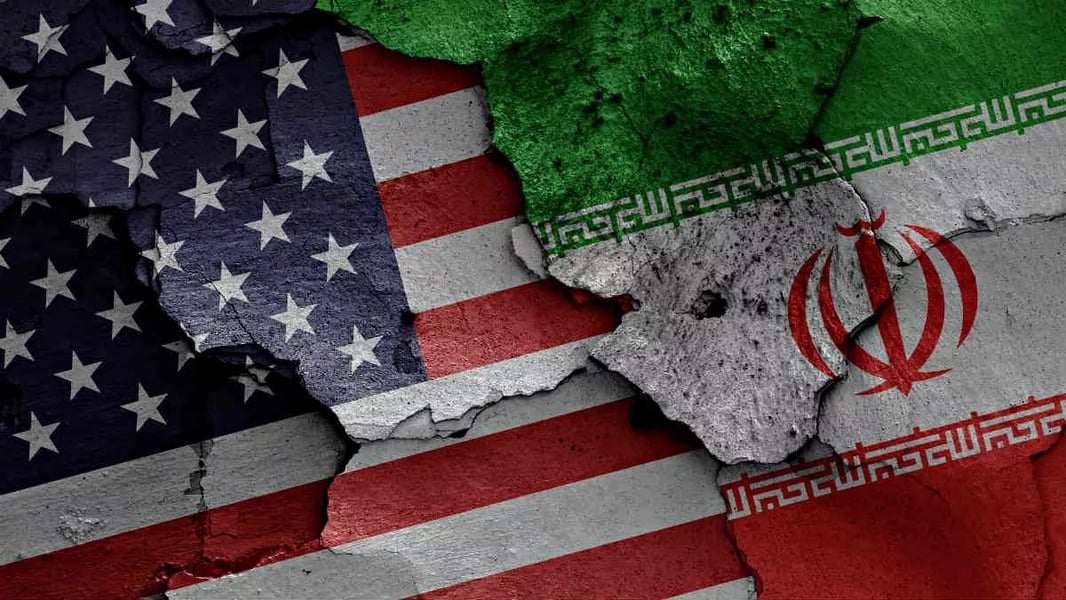

The fragile diplomatic process between the United States and Iran is facing one of its most dangerous moments yet after fresh US military strikes inside Iranian territory triggered renewed threats of retaliation from Tehran, placing the future of ongoing peace negotiations in serious doubt.
The latest escalation unfolded just days after reports suggested Washington and Tehran were nearing a framework agreement to stabilize the Strait of Hormuz and reduce tensions following months of military confrontation. But the optimism surrounding those talks rapidly faded after the US launched what it described as a “self-defense” strike against Iranian military targets in southern Iran during a military operation.
According to US Central Command, American forces targeted missile launch sites and vessels allegedly attempting to deploy naval mines near the Strait of Hormuz, one of the world’s most strategically important shipping corridors. Washington claimed the strikes were necessary to protect US personnel and preserve maritime security in the Gulf region.
Iran immediately condemned the attacks, accusing Washington of violating the ceasefire that was announced in April after weeks of direct and indirect fighting across the Middle East. Iranian officials warned that the Islamic Republic would not allow repeated military actions to go unanswered.
Iranian state-linked media and military officials declared that US military bases across the Gulf are no longer beyond Tehran’s reach. The Islamic Revolutionary Guard Corps reportedly vowed a “crushing response” if further strikes occur, while senior clerical figures argued that the conflict had exposed the growing vulnerability of American military infrastructure throughout the region.
The renewed confrontation has exposed the deep contradictions surrounding the ongoing negotiations between the two adversaries. Even as missiles and drones continue to dominate headlines, diplomatic channels in Doha and other regional capitals remain active behind closed doors.
US Secretary of State Marco Rubio acknowledged on Tuesday that talks aimed at finalizing the framework agreement may still require “a few days” to complete due to disagreements over the exact wording and implementation mechanisms. Rubio insisted that freedom of navigation through the Strait of Hormuz remains a core American demand and signaled that Washington would continue military operations if it believes maritime commerce is threatened.
The Strait of Hormuz has emerged as the central geopolitical pressure point in the crisis. Nearly a fifth of the world’s oil shipments move through the narrow waterway, making any disruption there a major threat to global energy markets. Since the beginning of the conflict earlier this year, attacks on commercial shipping, naval escorts, drone incidents, and maritime blockades have repeatedly pushed oil prices higher and rattled international markets.
Analysts now fear the latest military escalation could completely derail what little diplomatic momentum still exists.
The current conflict traces back to February 28, when the US and Israel launched coordinated strikes against Iranian military and strategic targets, including facilities in Tehran. The attacks reportedly caused extensive damage and triggered immediate Iranian retaliation against Israeli territory and US military assets in the Middle East.
What initially appeared to be a limited military campaign soon evolved into a much wider regional confrontation involving naval clashes, drone warfare, missile exchanges, and growing fears of a direct Gulf conflict. Iran later moved to pressure global shipping lanes while Washington expanded its military presence around the Persian Gulf.
Although a fragile truce was eventually announced on April 7, neither side truly abandoned its strategic objectives. Tehran continued demanding sanctions relief, security guarantees, and the release of frozen Iranian assets held overseas. Washington, meanwhile, maintained pressure on Iran’s nuclear program, missile development, and regional military posture.
One of the major sticking points in negotiations reportedly involves billions of dollars in frozen Iranian funds. Iranian negotiators have insisted that no meaningful agreement can proceed unless the US facilitates the transfer or release of those assets. Tehran also seeks recognition of what it calls its legitimate security interests in the Persian Gulf and the Strait of Hormuz.
The US administration, however, appears divided internally over how far diplomacy should go. Some American officials reportedly support a limited agreement focused on reopening commercial shipping routes and stabilizing oil markets, while others continue advocating maximum pressure against Iran’s military and nuclear capabilities.
The uncertainty has also triggered anxiety among Gulf Arab states.
Regional powers including Saudi Arabia, Qatar, and the United Arab Emirates have reportedly urged Washington to avoid reigniting a wider Gulf conflict, fearing that renewed fighting could devastate energy infrastructure, damage shipping routes, and destabilize the wider regional economy.
Meanwhile, tensions involving Israel and Lebanon continue adding pressure to the already fragile diplomatic environment. Israeli operations against Hezbollah positions in Lebanon have continued despite broader ceasefire efforts, creating additional obstacles for any comprehensive regional settlement.
Energy traders and global markets are now closely watching whether diplomacy can survive another cycle of escalation.
Oil prices have experienced renewed volatility following the latest strikes, while international shipping insurers remain concerned about further attacks on vessels crossing the Gulf. Any prolonged disruption to the global oil lifeline could significantly impact fuel prices, inflation, and global supply chains at a time when many economies are already facing instability.
Despite the dangerous rhetoric from both sides, neither Washington nor Tehran appears fully prepared for an uncontrollable regional war. That reality continues driving negotiations forward, even as military operations persist simultaneously.
Still, the contradiction between diplomacy and escalation may prove increasingly difficult to sustain.
The latest US strikes have once again demonstrated how quickly fragile negotiations can be undermined by battlefield developments. While officials on both sides publicly claim diplomacy remains possible, trust between Washington and Tehran appears dangerously thin, and another major military incident could rapidly push the region back toward open conflict.
At the center of the crisis remains a fundamental question neither side has yet resolved: whether the US and Iran are genuinely negotiating peace, or merely managing the timing of the next confrontation.