The fragile ceasefire between the United States and Iran is rapidly unraveling in the Strait of Hormuz, where a surge in maritime attacks, military escalation, and competing naval blockades has pushed the region to the brink of renewed war.
Barely four weeks after a truce was brokered in early April, the narrow waterway that carries roughly one-fifth of the world’s oil supply has become the focal point of a high-stakes confrontation with global consequences.
The fragile ceasefire now appears increasingly untenable as both sides accuse each other of violations, reinforcing a breakdown in trust that threatens to collapse diplomatic efforts altogether.
In recent days, a series of escalating incidents have intensified fears of renewed conflict. Reports of attacks on ships involving missiles, drones, and fast attack boats have underscored the volatility of the situation, with competing narratives from Washington and Tehran further complicating the picture.
At the center of the crisis lies the Strait of Hormuz, one of the world’s most critical energy chokepoints. Iran has increasingly asserted control over the waterway, slowing maritime traffic, laying mines, and demanding oversight of vessel movements, turning the strait into a strategic lever of power.
The consequences have rippled across global markets. Oil prices surged past $100, echoing earlier warnings highlighted in oil prices surged past $100, as traders reacted to mounting supply risks. The situation has revived fears of a broader global energy crisis, with energy-dependent economies bracing for sustained disruption.
Shipping lanes have become increasingly unstable, with shipping lanes have become unpredictable and hundreds of vessels stranded in contested waters. According to multiple reports, hundreds of vessels remain stranded, highlighting the scale of disruption facing global trade.
The rapidly intensifying Strait of Hormuz crisis underscores how global oil supply disruptions and US foreign policy conflicts are reshaping the balance of power across the Middle East.
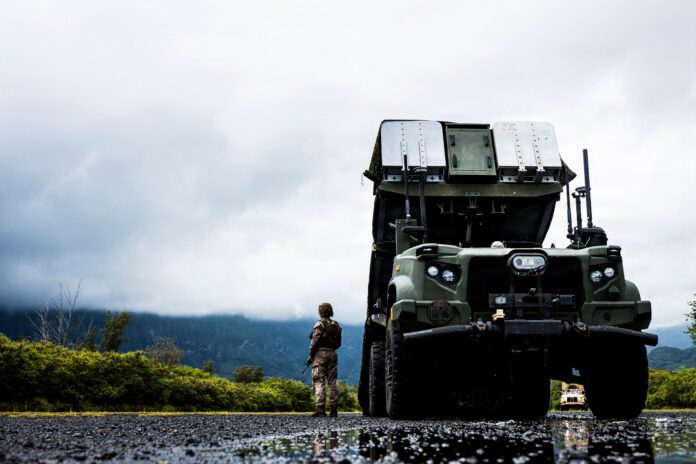
In response, Washington has launched a major naval initiative known as Project Freedom, aimed at escorting commercial ships and restoring maritime flow through the strait. The operation marks a significant escalation, with US forces actively intercepting threats and expanding their military footprint in the region.
Iran, however, views the operation as a direct provocation. Officials in Tehran have warned that any unauthorized foreign military presence will be treated as hostile, fueling escalating tensions that risk triggering direct confrontation.
The emerging dynamic has been described as a “double blockade,” with Iran exerting pressure within the strait while the United States enforces restrictions on Iranian maritime activity. Earlier reporting on US blockade risks highlighted how such overlapping strategies could create a volatile and unpredictable environment for global shipping.
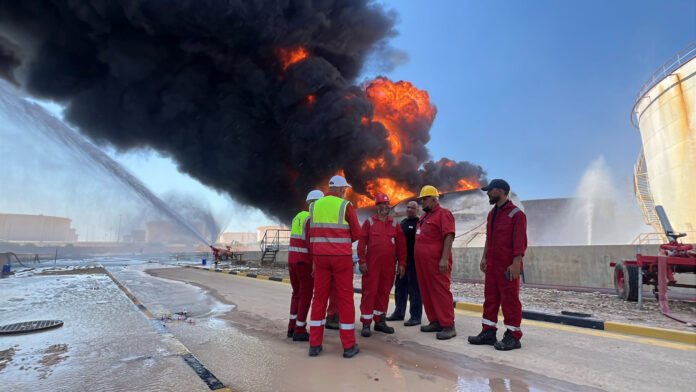
The conflict has also begun to spill beyond naval engagements. Drone strikes and attacks on energy infrastructure in the Gulf have raised concerns of a broader regional escalation, echoing earlier developments documented in US-backed war dynamics.
Meanwhile, limited progress in diplomatic talks has further dimmed hopes for de-escalation. Negotiations mediated by regional actors have stalled, as both sides maintain hardline positions. The situation reflects earlier warnings about a ceasefire risk that could unravel under sustained military pressure.
Beyond the immediate region, the economic consequences are becoming increasingly evident. Disruptions to shipping routes and energy flows are placing new strain on the global economy, with analysts warning of inflationary shocks and supply chain instability.
Even limited efforts to resume maritime activity have faced significant challenges. Reports of escorted commercial ships transiting the strait underscore the fragile and heavily militarized nature of current operations.
For now, the ceasefire remains technically intact, but the reality on the ground suggests otherwise. Military operations continue, diplomatic channels remain strained, and the risk of miscalculation grows by the day.
The Strait of Hormuz has once again become the epicenter of global geopolitical tension, where energy security, military strategy, and international diplomacy intersect in ways that could reshape the global order.