TEHRAN — The widening war in the Middle East entered a dangerous new phase this week as Iran warned that Israeli strikes on its assets in the Caspian Sea could ignite a broader regional conflict, while tensions around the Strait of Hormuz pushed global energy markets and maritime security to the brink.
The warning from Iran’s Foreign Ministry followed what Israeli officials described as unprecedented operations targeting Iranian naval capabilities in the Caspian Sea. According to reports that the Israeli military carried out strikes in the Caspian Sea, the attacks hit multiple naval assets, including missile boats, shipyards, and command infrastructure, marking a dramatic expansion of the war into a previously untouched theater.
Iranian Foreign Minister Abbas Araghchi, in a series of calls with regional counterparts, said the attacks risk destabilizing not only military balances but also environmental and economic security in the Caspian basin — a critical zone shared by several states.
“These actions carry consequences that go beyond bilateral tensions,” the ministry said, emphasizing threats to maritime safety, ecological stability, and regional cooperation frameworks.
The escalation comes amid a broader campaign in which Israel attacks Iran and US joins strikes, triggering a chain of retaliatory attacks across the Middle East. Since the opening phase of the war, Israeli strikes on Tehran and military infrastructure have intensified, targeting missile sites and command centers as casualties continue to rise.
A War Expanding Beyond Its Original Frontlines
The Caspian Sea strikes represent a significant geographic and strategic shift. Unlike the Persian Gulf, long a flashpoint for US-Iran tensions, the Caspian region has historically remained insulated from direct confrontation.
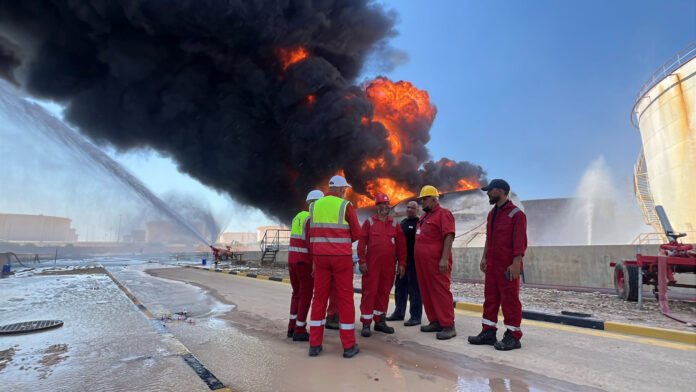
By extending operations into this zone, analysts say Israel is signaling a willingness to target Iranian capabilities wherever they are located, dramatically widening the scope of the conflict. The expansion also reinforces patterns seen in airstrikes, assassinations, and oil fires escalation, where multiple fronts are being activated simultaneously.
At the same time, Iran has framed the strikes as a dangerous escalation that could draw neighboring countries into the crisis. Tehran has intensified diplomatic outreach to regional states, warning that continued attacks could trigger a chain reaction of instability stretching from Central Asia to the Middle East.
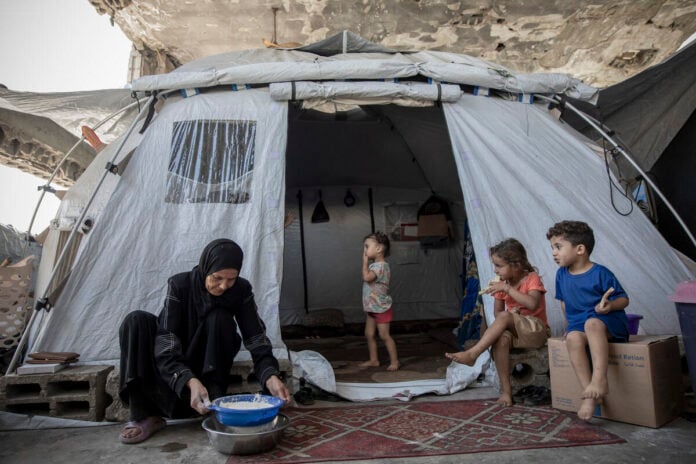
This expansion of the battlefield comes alongside mounting humanitarian concerns, including environmental and economic fallout from the war and rising civilian casualties across multiple regions.
Hormuz Strait Emerges as the Conflict’s Most Dangerous Flashpoint
Even as tensions rise in the Caspian, the Strait of Hormuz remains the most critical and volatile front in the conflict.
The narrow waterway, through which roughly one-fifth of the world’s oil supply passes, has effectively become a chokepoint in the war. The Hormuz crisis threatens global oil supply, with shipping companies halting operations amid fears of attacks and instability.
Iran has moved to assert control over the strait, declaring that vessels not linked to its adversaries may pass only under coordination with Tehran, reinforcing its position on safe passage through the Strait of Hormuz.
At the same time, competing narratives have emerged over the security situation. US officials have alleged mining activity, while Iran insists it maintains full control and does not require such measures.
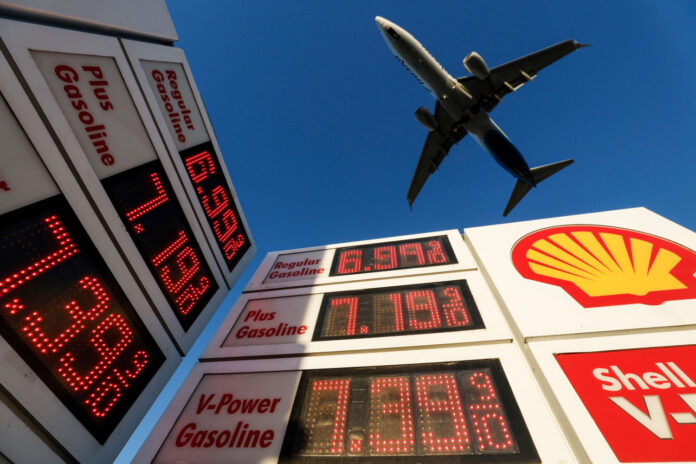
The stakes are enormous. Analysts warn of a global energy crisis triggered by the war, as oil prices surge and supply chains face disruption.
Global Economy and Supply Chains Under Pressure
The consequences of the conflict are being felt far beyond the immediate region.
Energy markets remain volatile, with global oil markets shaken by the conflict and fears of prolonged instability driving inflation worldwide.
Meanwhile, governments are scrambling to respond as the war disrupts trade routes, aviation corridors, and industrial supply chains. Experts warn that sustained disruption could mirror historic oil crises in both scale and duration.
Environmental risks are also mounting. Reports highlight the environmental impact of the war and destruction, with toxic emissions and long-term ecological damage emerging as a growing concern.
Diplomatic Signals and Conflicting Narratives
Despite the intensifying military confrontation, conflicting signals have emerged on the diplomatic front.
There are indications that US signals possible diplomatic deal amid war escalation, even as Tehran rejects claims of direct negotiations and accuses Washington of psychological pressure.
Iran has simultaneously warned that escalation could continue, with statements indicating it may expand its response. Reports suggest that Iran threatens wider retaliation across the region, raising fears of a prolonged and expanding war.
Meanwhile, coverage of US seeks talks after war escalation underscores the contradiction between military escalation and diplomatic outreach.
Risk of Regional Spillover Intensifies
The risk of a broader regional war is growing rapidly.
Iran has warned that any further escalation, particularly attacks on its coastline or energy infrastructure, could trigger sweeping retaliation. According to recent developments, Iran has indicated it could shut down Gulf shipping entirely, raising alarms about global trade disruption.
Already, the war has expanded geographically, with rising casualties and widening regional conflict reported across multiple countries, including missile strikes, cross-border attacks, and naval confrontations.
At the same time, targeted operations, including targeted assassinations of Iranian leadership, continue to fuel tensions and deepen the strategic stakes.
Critical infrastructure has also come under pressure, with attack on Iran’s energy infrastructure contributing to broader instability across the region.
A Turning Point in the Middle East Conflict
The Israeli strikes in the Caspian Sea, combined with the escalating crisis in the Strait of Hormuz, mark a critical turning point in the war.
What began as a series of targeted operations has evolved into a multi-front confrontation with global implications. The expansion of military activity into new regions, coupled with the weaponization of strategic waterways, has created a volatile environment in which miscalculation could have far-reaching consequences.
For now, the region stands on edge, with energy markets unstable, shipping routes under threat, and diplomatic efforts struggling to keep pace with the rapid escalation on the ground.
Whether the conflict can be contained or will spiral into a wider war may depend on decisions made in the coming days, as both sides weigh military objectives against the mounting risks of an uncontrollable regional crisis.