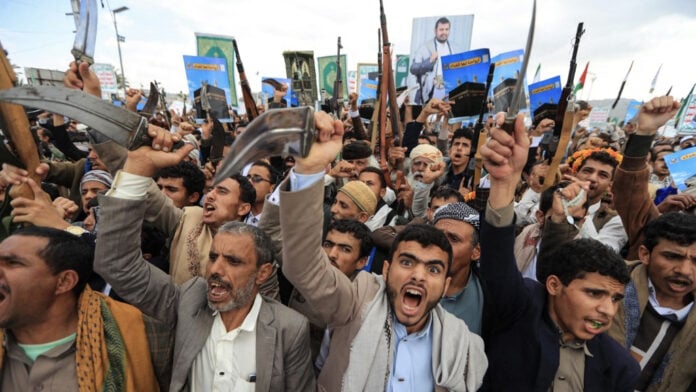
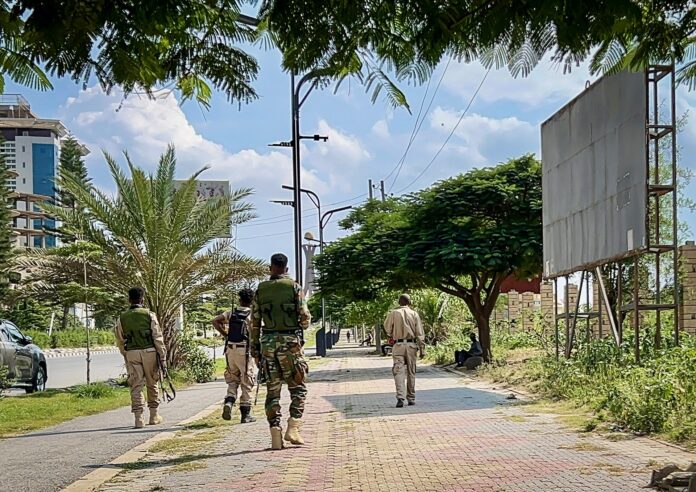
The Middle East has entered one of its most volatile and dangerous phases in decades as Israel’s military campaign against Iran expands across borders, triggering retaliatory strikes, proxy warfare, and a growing humanitarian crisis that now stretches from Tehran to Beirut and the Gulf.
What began as a coordinated aerial assault has rapidly transformed into a multi-front war, drawing in regional actors and threatening global stability, as detailed in recent Middle East war and global markets analysis.
Strikes on Nuclear and Energy Infrastructure
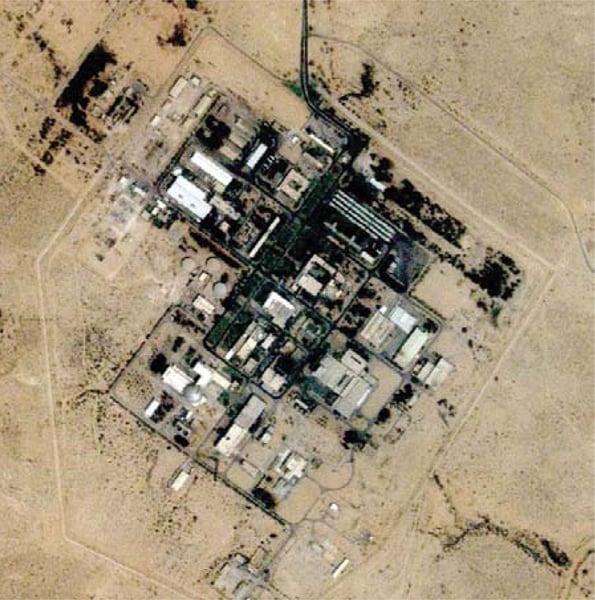
Among the most consequential developments has been the targeting of Iran’s strategic assets, including its nuclear enrichment sites and critical energy infrastructure. The Natanz facility, a cornerstone of Iran’s nuclear program, has been struck repeatedly amid ongoing aerial bombardment.
Even more alarming for global markets was the attack on the South Pars gas field, a development also examined in depth in coverage of Iran’s energy infrastructure strikes.
These strikes mark a shift toward economic warfare, threatening global energy supplies already under pressure.
Decapitation Strategy and Leadership Losses
In parallel with infrastructure strikes, Israel has pursued a decapitation strategy targeting senior Iranian officials. High-level assassinations have reshaped Iran’s command structure and intensified the pace of escalation.
Rather than weakening Tehran’s response, however, these actions have triggered a wider regional confrontation, drawing in multiple actors aligned with Iran.
Iran’s Retaliation and Regional Spillover
Iran has responded with a barrage of missiles and drones, and these retaliatory attacks have extended the battlefield across the region.
Gulf states have increasingly found themselves caught in the crossfire. Bahrain reported a major aerial incident, which is further detailed in analysis of the Bahrain drone and Patriot system event.
Lebanon Front Ignites as Hezbollah Enters Conflict
The war has reignited tensions along Israel’s northern border, where Hezbollah has intensified its military operations. The group’s role is explored in detailed reporting on Hezbollah-Israel clashes.
Israeli forces have expanded their campaign into Lebanon, targeting Hezbollah strongholds in Beirut, alongside broader operations described in coverage of Beirut airstrikes.
This escalation has transformed the conflict into a full-scale regional war involving multiple fronts and actors.
Strait of Hormuz and Global Economic Shockwaves
Beyond the battlefield, the conflict is sending shockwaves through global markets. The Strait of Hormuz crisis has become a focal point as instability threatens global energy flows.
Oil prices are already experiencing sharp volatility, reflecting fears that prolonged disruption could trigger a wider global economic crisis.
Humanitarian Crisis Deepens
The human toll continues to rise, with thousands killed and millions displaced across Iran, Lebanon, and surrounding regions. Civilian infrastructure has been heavily damaged, worsening humanitarian conditions.
Healthcare systems remain under severe strain, with access to essential services rapidly deteriorating.
Global Powers and the Risk of Wider War
The involvement of global powers has further complicated the conflict. Evidence increasingly points to coordinated US–Israel military operations, particularly in strikes on nuclear facilities.
Russia and other global actors have warned that attacks on nuclear infrastructure could lead to catastrophic consequences, raising fears of a broader international conflict.
A Region on the Brink
The phrase “Israel attacks Iran” now reflects an unfolding regional war rather than a single event.
With multiple fronts active, energy markets destabilized, and humanitarian conditions worsening, the conflict is reshaping the geopolitical landscape of the Middle East.
The coming weeks will determine whether the crisis can be contained, or whether it escalates into a prolonged and far more devastating war.