
The Middle East war enters a dangerous new phase as Israeli strikes on Iran trigger retaliation, paralyzing oil flows, disrupting global markets, and raising fears of prolonged economic shock.
The war between Israel and Iran has escalated into one of the most consequential geopolitical crises in decades, triggering a chain reaction that is now crippling global energy markets and pushing the world economy toward uncertainty.
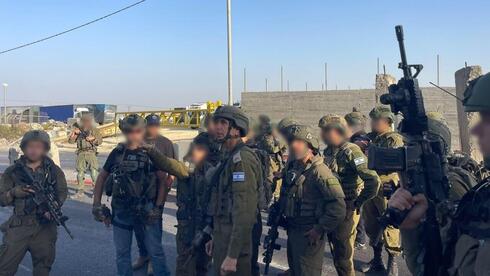
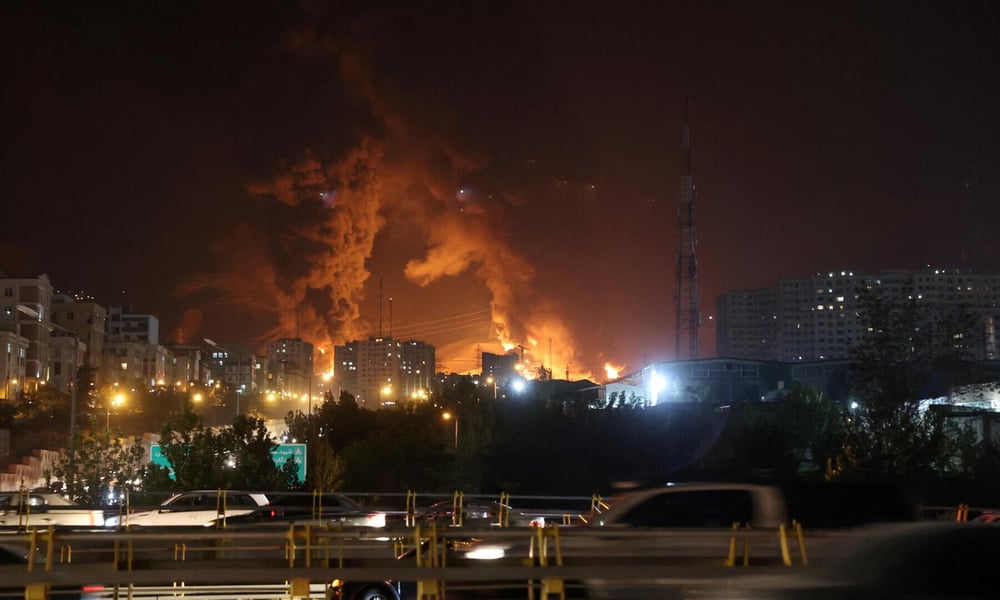
What began as a series of targeted military strikes has rapidly evolved into a full-scale regional confrontation, with energy infrastructure at the center of the conflict. Israeli attacks on Iran’s critical oil and gas facilities, including the South Pars gas field, have provoked a fierce Iranian response, spreading instability across the Gulf and beyond.
According to multiple international reports, Israeli airstrikes struck key Iranian energy sites earlier this week, marking a dramatic escalation in a conflict that had already been intensifying since late February. The South Pars field, one of the largest natural gas reserves in the world, plays a central role in Iran’s domestic energy supply.
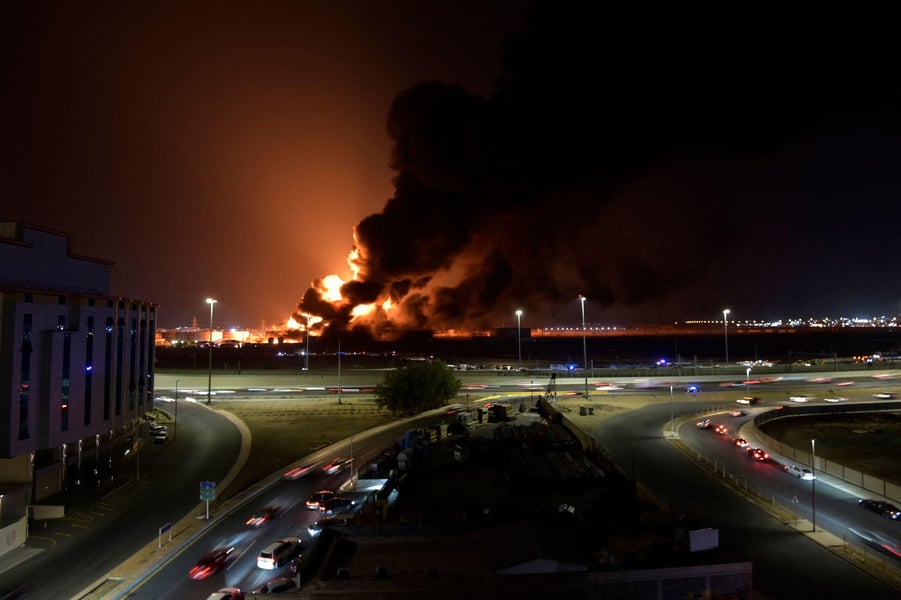
Iran responded swiftly and forcefully. Missile and drone strikes targeted energy infrastructure across several Gulf states, including facilities in Qatar, Saudi Arabia, and the United Arab Emirates. These retaliatory attacks have not only widened the geographic scope of the conflict but have also exposed the vulnerability of global energy systems.
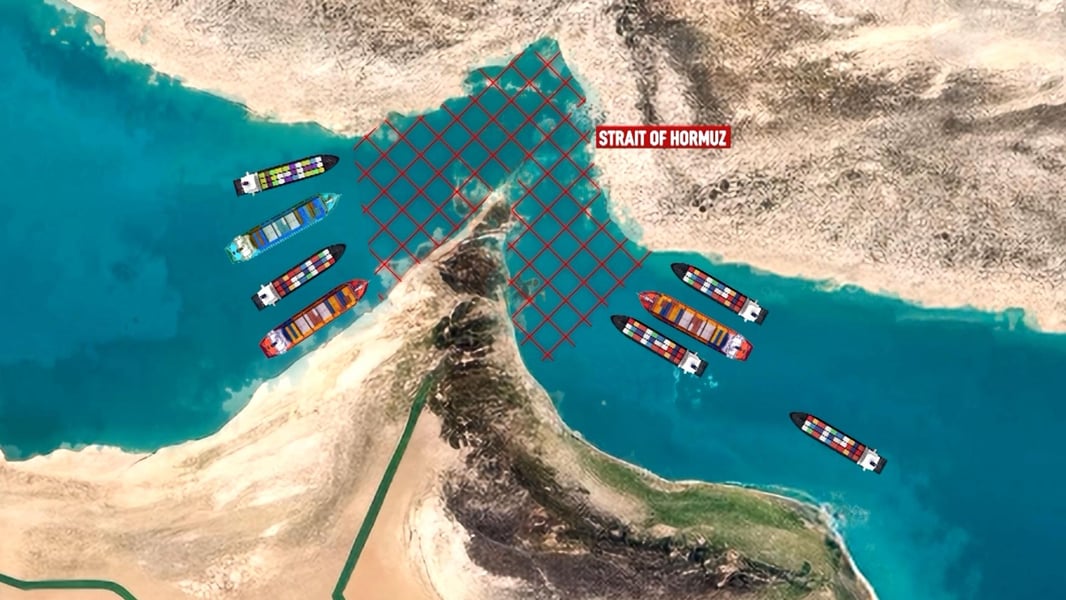
The Strait of Hormuz, a narrow maritime corridor through which roughly one-fifth of the world’s oil supply passes, has effectively become a war zone. Shipping traffic has nearly halted, with tankers avoiding the area amid escalating risks of attack, reflecting how shipping traffic has nearly halted across the region.
In response to the collapse of export routes, Iraq has declared force majeure on all oil fields operated by foreign companies, as Iraqi oil production collapsing has deepened the crisis.
Force majeure, a legal mechanism invoked during extraordinary circumstances, effectively suspends contractual obligations. For global energy companies operating in Iraq, it signals a sudden halt in operations and revenue flows, adding another layer of uncertainty to an already volatile market.
The economic implications are profound. oil prices have surged sharply, with analysts warning of sustained volatility if the conflict continues.
Energy analysts describe the current situation as one of the most severe disruptions in modern history. With exports from the Gulf significantly reduced and infrastructure damage expected to take years to repair, the crisis is reshaping the global energy landscape.
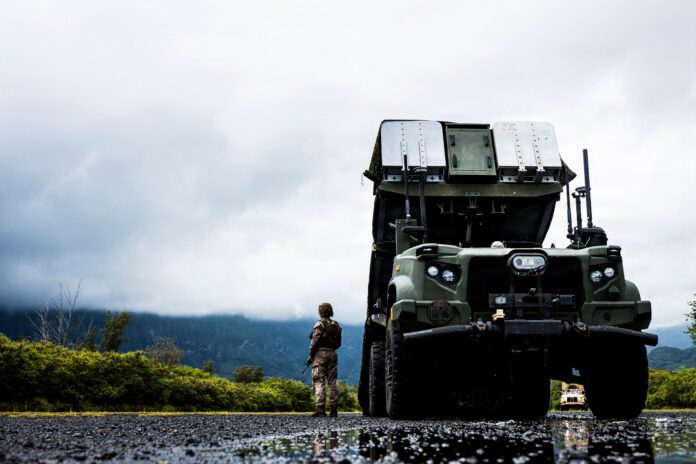
Beyond the immediate market impact, the conflict is also testing the limits of military and diplomatic strategies. The United States and its allies have launched attacks aimed at reopening the Strait of Hormuz, deploying additional forces and targeting Iranian naval capabilities.
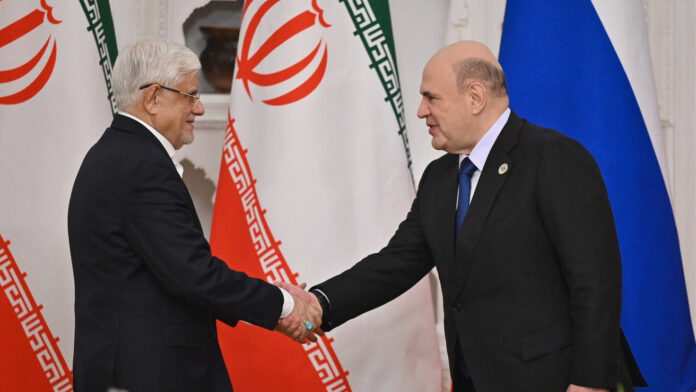
Diplomatic channels appear increasingly strained. Tehran has signaled that it is unwilling to engage in discussions about reopening the strait while attacks on its territory continue.
The broader geopolitical implications are becoming clearer by the day. The conflict has drawn in multiple actors, from Gulf states to global powers, each with their own strategic interests.
Meanwhile, concerns are growing over the potential for further escalation. Iran has warned that it will show zero restraint if its energy infrastructure continues to be targeted, raising fears of even more extensive attacks on regional facilities.
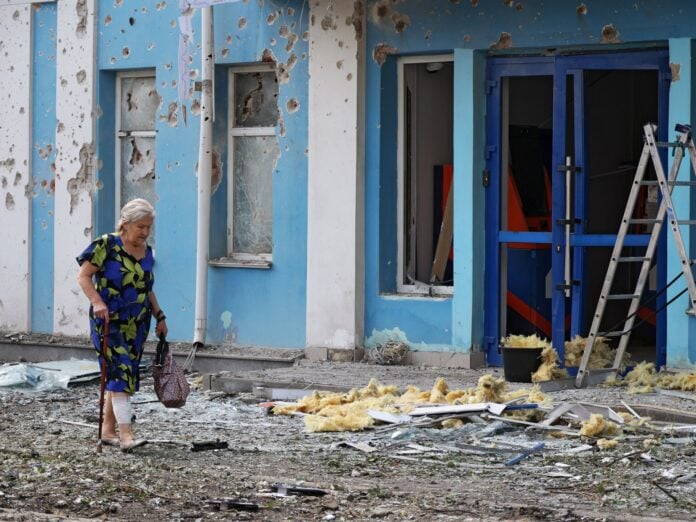
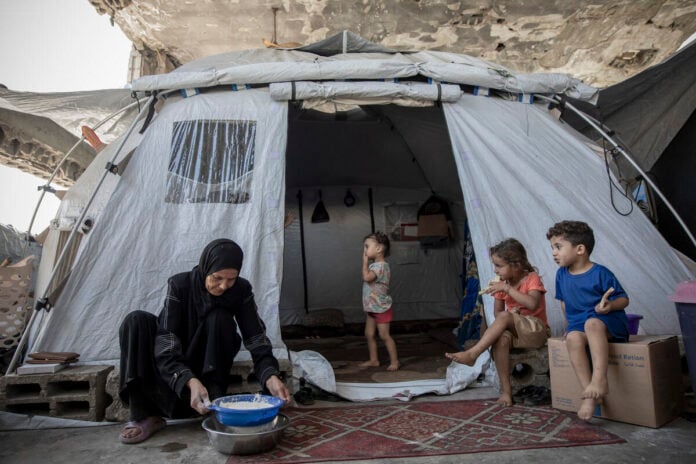
The human and economic toll is already mounting. Casualties have been reported across multiple countries, and millions face displacement as the conflict intensifies.
For global markets, the implications are stark. Energy-dependent economies are bracing for inflationary pressures, while governments consider emergency measures to stabilize supplies. Strategic reserves are being tapped, but analysts warn that such measures can only provide temporary relief.
The crisis has also reignited debates over energy security and diversification. Countries heavily reliant on Middle Eastern oil and gas are now accelerating efforts to secure alternative sources, from renewables to new supply partnerships.
Yet, the scale of the disruption suggests that the impact will be felt for years to come. Infrastructure damage, combined with geopolitical uncertainty, is likely to reshape energy flows and investment patterns across the globe.
At its core, the conflict highlights the fragile balance that underpins the global energy system. A single chokepoint, once disrupted, can trigger cascading effects that ripple through economies worldwide.
As the war continues, the question is no longer whether the global economy will be affected, but how deep and prolonged the impact will be.
For now, the Strait of Hormuz remains the focal point of a crisis that shows no signs of resolution, with the world watching closely as events unfold in one of the most strategically vital regions on the planet.