
The Strait of Hormuz, one of the world’s most critical maritime chokepoints for energy supplies, has become a dangerous corridor of geopolitical tension after the outbreak of war between Iran and a coalition led by the United States and Israel. With missiles, drones and naval threats turning the narrow waterway into a high-risk battlefield, most global shipping companies have suspended operations. Yet one fleet continues to move through the volatile passage.
Dynacom Tankers, a Greek shipping company controlled by veteran shipowner George Prokopiou, has emerged as one of the few operators still dispatching oil tankers through the strait despite the escalating security risks, according to shipping-tracking data and industry reports.
The decision underscores the high-stakes calculations currently shaping global energy logistics. As the conflict intensifies and commercial traffic collapses, the handful of vessels still willing to sail through the Persian Gulf’s narrow gateway have become critical to maintaining at least a minimal flow of oil from the Middle East to international markets.
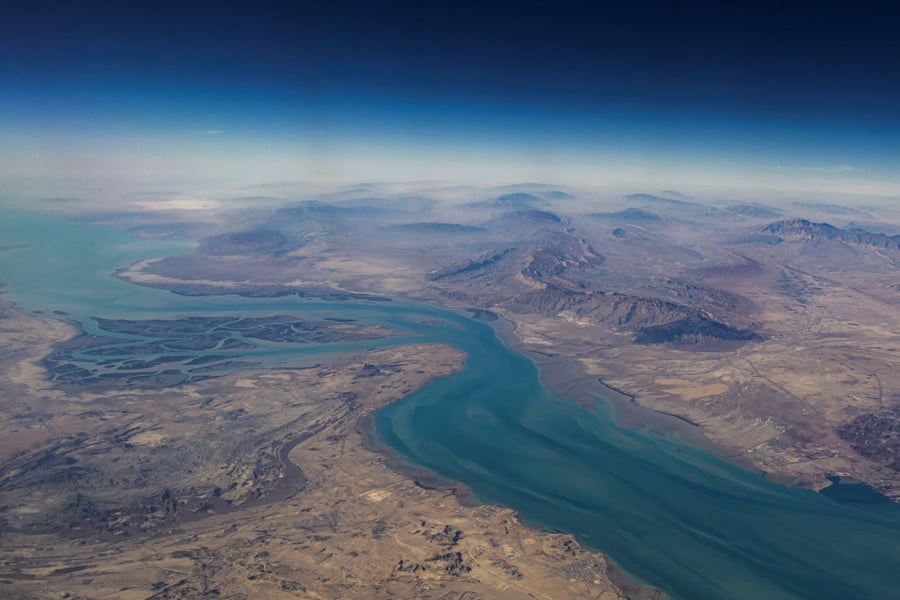
The Strait of Hormuz connects the Persian Gulf with the Gulf of Oman and the Arabian Sea, forming the primary export route for crude oil and liquefied natural gas produced by Gulf states such as Saudi Arabia, Iraq, Kuwait, Qatar and the United Arab Emirates. Under normal conditions, roughly one-fifth of the world’s daily oil consumption passes through the waterway, making it one of the most strategically important energy corridors on the planet.
But the latest military escalation has drastically altered that flow. As previously reported in global energy markets, the widening conflict across the Middle East has triggered fears of severe disruptions in global energy supplies.
Since late February, missile strikes, naval threats and mounting insurance costs have effectively halted most commercial navigation through the strait. Data compiled by Reuters shows that tanker traffic through the strait fell sharply as hostilities intensified, leaving hundreds of vessels waiting outside the waterway.
Dozens of oil tankers have been stranded at anchor in nearby waters while shipping companies assess the risks of entering what insurers now consider a war zone. The crisis has created a wider global shipping disruption in the Middle East that is sending shockwaves across energy markets.
Industry analysts say the disruption represents one of the most severe maritime shocks in recent decades. Maritime data suggests that hundreds of vessels are anchored across the region, with ships stranded in the Gulf region as crews wait for security conditions to improve.
In this environment of extreme uncertainty, Dynacom Tankers stands out as an exception.
The company, founded and controlled by George Prokopiou, a Greek shipping magnate widely known in the maritime industry for taking bold commercial risks, has reportedly sent multiple vessels through the Strait of Hormuz since the war began. Reports in international shipping media describe Dynacom Tankers sending vessels through the strait while most competitors keep their fleets away from the region.
Shipping-tracking data indicates that at least five Dynacom tankers have transited the waterway in recent days. In some cases, vessels temporarily switched off their Automatic Identification System (AIS) transponders while approaching the strait, a tactic occasionally used by ships navigating high-risk zones to reduce the visibility of their position.
One tanker associated with the company reportedly stopped transmitting its location near the entrance to the strait before reappearing the following day inside the Persian Gulf, suggesting it had successfully completed the crossing.
For Prokopiou, the strategy reflects a long-standing reputation within the shipping world.
Over decades in the industry, the Greek entrepreneur has built a fleet that spans several shipping companies and includes dozens of tankers transporting crude oil and liquefied natural gas across global routes. His network of companies reportedly controls around 150 vessels currently operating at sea, with dozens more under construction.
Former colleagues and shipping analysts frequently describe him as an operator willing to enter markets or routes that competitors avoid. In the current crisis, that reputation appears to be guiding Dynacom’s decisions.
The stakes are enormous. The Strait of Hormuz has historically been one of the most sensitive flashpoints in global energy geopolitics. Only about 21 miles wide at its narrowest point, the passage funnels exports from nearly every major Gulf oil producer into the open ocean.
At full capacity, around 20 million barrels of crude oil and petroleum products travel through the strait each day. Any disruption to this flow can quickly ripple across global energy markets, pushing prices higher and forcing importing countries to seek alternative supplies.
That process is already underway. As covered in global markets reacting to the Iran conflict, crude prices have surged amid fears of prolonged disruptions to oil exports.
Energy analysts say the crisis illustrates the vulnerability of global oil supply chains. Even limited disruptions can trigger dramatic price spikes and geopolitical tensions across international markets.
Meanwhile, governments and international agencies are scrambling to stabilize the situation. Some oil exporters are already exploring alternative routes, with oil exports rerouted due to Hormuz disruption as producers attempt to bypass the dangerous corridor.
The broader conflict has also intensified geopolitical tensions across the region. Coverage of the escalating conflict involving Iran, Israel and the United States highlights the growing military confrontation unfolding across the Middle East.
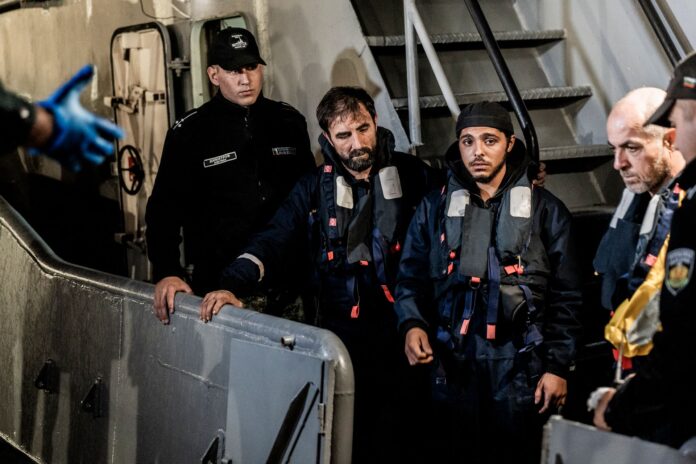
For seafarers aboard vessels stranded near the Gulf, the situation remains precarious. Reports describe crews living under constant tension as explosions and missile launches occur nearby while they wait for instructions from shipowners.
Despite the risks, the economic incentives for shipping companies remain significant. War-risk insurance premiums have soared, and freight rates for tankers have surged as the number of vessels willing to enter the region shrinks.
In that environment, companies willing to take the gamble may earn substantial profits. Dynacom Tankers appears to be one of the few prepared to test those waters.
Whether that strategy will prove profitable or perilous remains uncertain. Much will depend on how the conflict evolves and whether security conditions in the Gulf deteriorate further.
But as the war reshapes global shipping routes and energy markets, the Greek company’s tankers are among the few still navigating the world’s most dangerous oil corridor.
Their journeys through the Strait of Hormuz now symbolize both the fragility of global energy supply chains and the extraordinary risks some operators are willing to take to keep them moving.