TEHRAN — Iran’s armed forces said Friday that a naval missile system launched a surface-to-sea missile toward the US aircraft carrier USS Abraham Lincoln, marking a dramatic escalation in the widening war after Israel attacks Iran and regional tensions spiral across the Middle East.
The statement, reported by Iranian media and cited by the Fars news agency, said the missile was launched by Iran’s navy toward the carrier operating in waters near the region. The announcement came as Tehran warned that attacks against US and Israeli forces would intensify in the coming days.
The USS Abraham Lincoln, one of the US Navy’s most powerful Nimitz-class nuclear-powered aircraft carriers, has been deployed to the Middle East as part of Washington’s expanding military presence during the conflict. The carrier strike group has been at the center of operations since hostilities escalated following large-scale strikes on Iranian territory.
Earlier reports about Iran targets the USS Abraham Lincoln with ballistic missiles had already raised concerns that naval confrontations could become one of the most dangerous fronts of the war.
Iran’s claim of a missile launch toward the carrier comes as the broader conflict triggered by Israeli and US military operations inside Iran enters a volatile phase. Tehran has vowed retaliation after what it describes as coordinated aggression by Washington and Tel Aviv.
According to Iranian officials, the missile launch was part of a wider response aimed at demonstrating that US naval forces operating near Iranian waters remain within reach of the country’s missile systems.
However, US officials have strongly rejected Tehran’s claim that the aircraft carrier was hit. According to a report by NDTV, Iran’s Revolutionary Guard Corps said four ballistic missiles targeted the USS Abraham Lincoln, while the Pentagon insisted the missiles did not strike the vessel.
Military analysts say the incident highlights how close the two countries may be to a direct naval confrontation. A detailed analysis by Moneycontrol noted that even unconfirmed missile launches against an aircraft carrier represent a serious escalation that could trigger a much larger regional conflict.
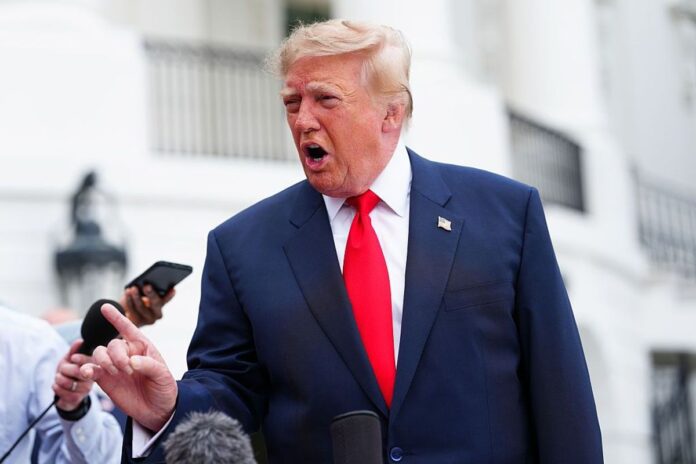
Iran’s armed forces spokesman Brigadier General Abolfazl Shekarchi warned that Tehran would continue escalating operations against both the United States and Israel.
“Our attacks against the United States and the Israeli regime will intensify every day,” Shekarchi said in remarks carried by Iranian media.
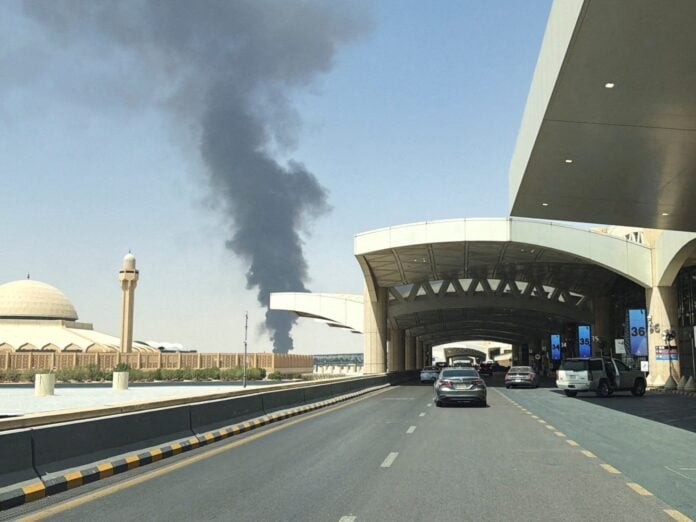
The statement came amid a series of retaliatory strikes across the region. In Bahrain, for example, an Iranian drone strike in Bahrain injured US defense personnel, highlighting the growing geographic scope of the conflict.
Other military incidents have been reported across the Persian Gulf and surrounding regions as both sides attempt to demonstrate military strength without triggering a full-scale war.
Iranian officials argue that the current confrontation was triggered by Israeli and US attacks inside Iran that targeted military installations and senior political figures.
The broader conflict intensified following reports that the Iran war after Ahmadinejad reportedly killed in US–Israeli strike marked one of the most dramatic moments of the crisis.
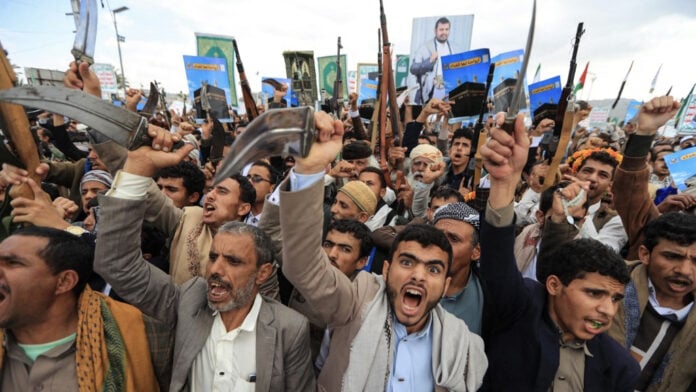
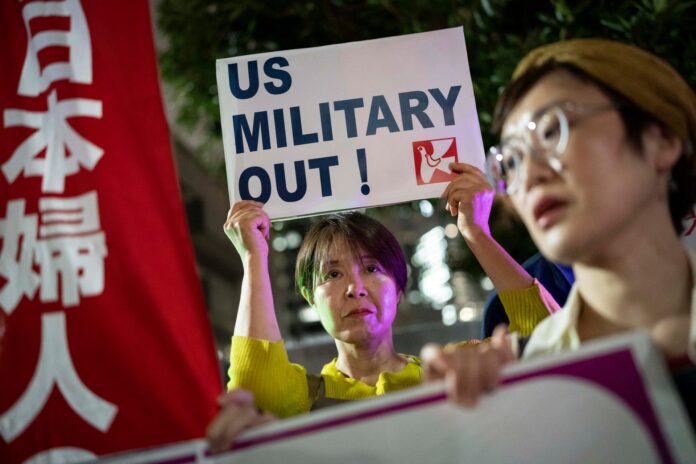
The situation also sparked a wave of demonstrations worldwide. Analysts say the global protests after the killing of Iran’s Supreme Leader have further increased political pressure on governments involved in the conflict.
Meanwhile, geopolitical tensions have also spread beyond the battlefield. New Delhi moved to distance itself from the conflict after reports surfaced suggesting logistical support for US forces. The Indian government quickly rejected the claim, and officials emphasized that India denies US Navy using Indian ports in the Iran war.
Across the region, the war continues to expand. Iranian missile launches toward Israeli territory have increased dramatically in recent days. Coverage by Eurasian Times reported that Tehran claims to have fired ballistic missiles toward the US aircraft carrier as part of its broader retaliation campaign.
Inside Israel, authorities have warned that the country faces what officials describe as an unprecedented level of missile threats as Iranian forces expand their operations.
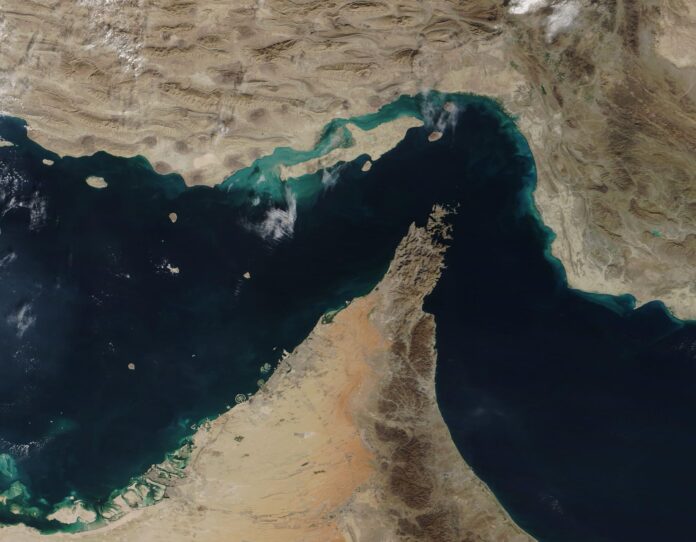
The ongoing confrontation has also begun affecting global energy markets and shipping routes, especially around the Strait of Hormuz, one of the world’s most critical oil transit corridors.
Energy analysts warn that prolonged instability in the Persian Gulf could disrupt global oil supplies and trigger significant economic consequences worldwide.
The rapidly escalating war has also drawn in non-state actors and regional allies. Hezbollah forces in Lebanon have launched rocket attacks on Israeli positions, while Israeli airstrikes have targeted suspected militant infrastructure across Lebanon and Syria.
At the same time, Western governments are increasing military deployments in the region amid fears that the conflict could spread further.
Recent reporting by The Economic Times highlighted that Iran’s missile campaign forms part of what Tehran describes as a broader military operation targeting US and allied assets across the Middle East.
Meanwhile, Tehran continues to signal that the conflict could escalate even further if attacks on Iranian territory continue.
Military analysts warn that the expanding conflict could lead to direct clashes between US and Iranian naval forces in the Persian Gulf or the Arabian Sea, a scenario that would dramatically increase the risk of a regional war.
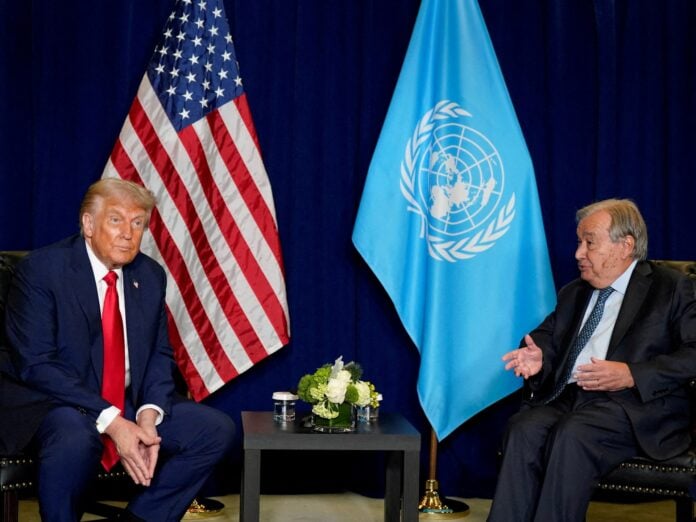
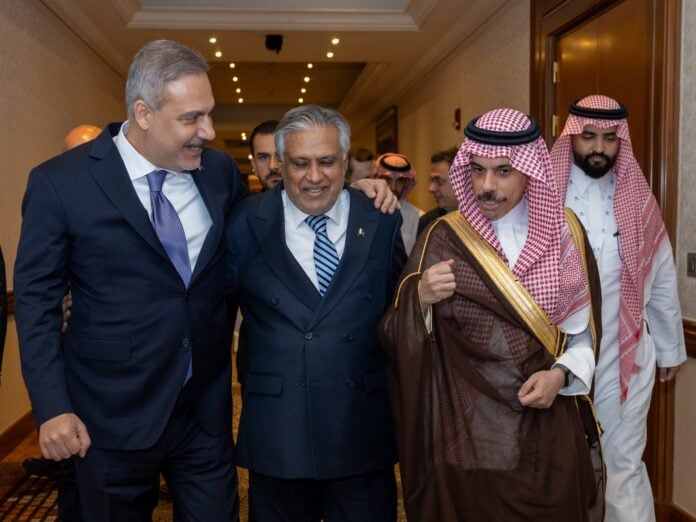
The possibility of such a confrontation has already prompted international calls for de-escalation. Diplomatic efforts are underway through several back-channel negotiations, but so far none have succeeded in halting the cycle of retaliation.
For now, the missile launch toward the USS Abraham Lincoln stands as one of the most dramatic developments in a rapidly evolving war that continues to reshape the geopolitical landscape of the Middle East.
With missile launches, drone strikes, and air attacks occurring across multiple countries, the region is facing one of the most dangerous periods of military confrontation in decades.
Whether the crisis will escalate into direct warfare between the United States and Iran remains uncertain. But with both sides signaling readiness to continue military operations, the risk of a wider conflict remains dangerously high.