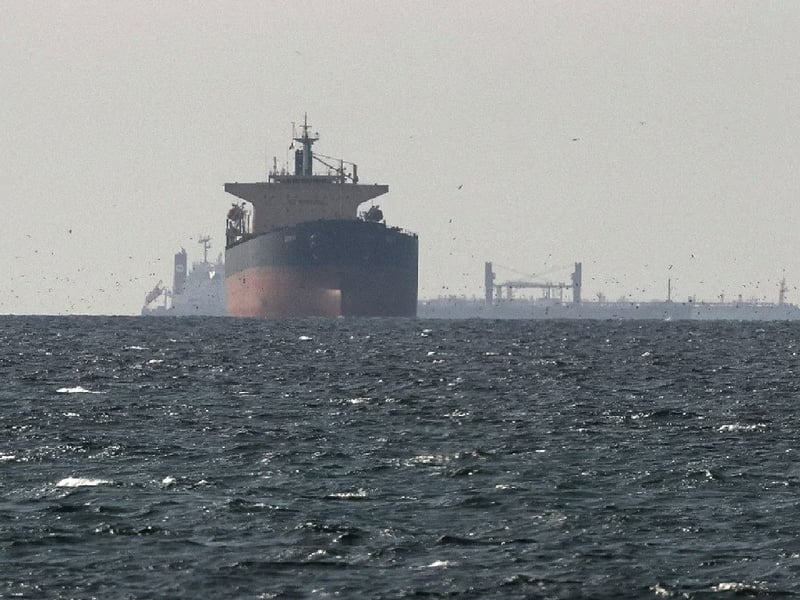

Global energy markets were thrust into turmoil this week as the escalating war involving Iran sent crude oil prices surging above $100 per barrel and triggered sharp swings across global stock markets. Traders, governments, and central banks are now grappling with the possibility that one of the world’s most strategically important oil corridors could remain disrupted for weeks or even months.
The surge in prices reflects growing fears that the conflict could cripple energy flows from the Middle East, a region responsible for a significant share of global crude exports. With tanker traffic threatened and critical infrastructure reportedly targeted, investors are increasingly pricing in the risk of prolonged supply disruptions.
Energy analysts say the current shock has the potential to evolve into one of the most significant oil crises in years, particularly if the conflict spreads or further disrupts shipping through the Persian Gulf.
Earlier reports of global stock markets slipping as oil prices climbed highlighted how geopolitical tensions in the Middle East are once again dictating the direction of financial markets worldwide.
Oil Markets Jolt as War Threatens Supply
Crude prices climbed sharply after reports of strikes on Iranian energy infrastructure and heightened tensions across the region. Brent crude, the global benchmark, surged to around $104 per barrel amid fears of escalating attacks on oil facilities and export hubs.
The surge followed reports that strikes targeted military installations near Iran’s key export routes, intensifying market anxiety about the stability of global energy supply chains. According to recent reporting on the crisis, oil prices surged after attacks on Iranian energy infrastructure, highlighting the vulnerability of global oil flows to regional conflict.
The sudden jump in prices comes after weeks of volatility triggered by the widening war. Analysts say the energy market is now highly sensitive to every military development, tanker movement, and diplomatic signal emerging from the region.
Some analysts have already begun revising forecasts for oil markets as the conflict drags on. A recent report noted that analysts have revised oil price forecasts amid the Iran conflict, warning that prolonged instability could push prices even higher.
The situation has become particularly alarming because a large share of global crude shipments originates from the Gulf region. Any disruption there can remove millions of barrels of oil from the market almost overnight.
The Strait of Hormuz: A Strategic Chokepoint
At the center of the crisis lies the Strait of Hormuz, the narrow maritime corridor linking the Persian Gulf to global shipping lanes. Nearly one-fifth of the world’s oil shipments pass through this route each day, making it one of the most critical energy chokepoints on the planet.
Recent shipping data suggests the conflict has already caused dramatic disruptions. According to industry data, Middle Eastern oil exports have dropped sharply as the strait faces intermittent closure and heightened security risks.
The unfolding shipping crisis echoes earlier warnings in reports about shipping disruptions in the Strait of Hormuz, where tanker operators warned of collapsing maritime traffic and rising insurance costs for vessels entering the Gulf.
The crisis has also revived fears of a broader regional energy shutdown. Previous analysis described the escalating Strait of Hormuz crisis as one of the most dangerous geopolitical flashpoints capable of triggering a global oil shock.
Stock Markets React to Energy Shock
The surge in oil prices has reverberated across financial markets worldwide. Rising energy costs often trigger fears of inflation and slower economic growth, forcing investors to rapidly reposition their portfolios.
Reports earlier this week described how Wall Street futures dropped as oil prices surged, reflecting the growing concern among investors that the energy shock could spill over into the broader economy.
Yet the volatility has not been limited to American markets. Asian and European equities have also experienced sharp swings as traders try to gauge the scale of the crisis.
The turmoil has echoed earlier warnings about how global financial markets plunged amid rising oil prices when the conflict first escalated.
Energy companies, however, have seen strong gains as investors anticipate higher revenues from elevated crude prices.
Strategic Oil Reserves Under Discussion
Governments and international energy organizations are now considering emergency measures to stabilize markets. One of the most immediate responses could involve the release of strategic petroleum reserves.
Officials from major energy-consuming nations have discussed releasing hundreds of millions of barrels from emergency reserves in an attempt to ease pressure on global markets.
According to energy officials, the International Energy Agency is considering a coordinated release of stockpiles if the conflict continues to disrupt shipping routes and energy production.
Such emergency measures are designed to buy time for markets and prevent panic buying. But analysts warn that reserve releases alone cannot fully offset prolonged supply disruptions.
Ripple Effects Across the Global Economy
The impact of the oil shock is already spreading beyond energy markets. Higher fuel prices typically ripple through the global economy, increasing transportation costs and raising prices for goods and services.
Reports have also highlighted how Americans have spent billions more on gasoline as energy prices climb in response to the war.
Economists warn that prolonged price spikes could push inflation higher across many countries, forcing central banks to reconsider interest rate policies.
Meanwhile, new data shows the scale of the disruption. Oil exports from the Middle East have fallen dramatically as the Strait of Hormuz remains partially closed, triggering what analysts describe as one of the largest supply shocks in recent years.
A Crisis Still Unfolding
For now, energy markets remain in a state of extreme uncertainty. Oil prices continue to swing sharply as traders react to every development in the conflict.
The situation has also intensified debates about long-term geopolitical control of energy resources. Earlier reporting examined concerns that the United States aims to control Iran’s vast oil reserves, a claim that has fueled political tensions across the region.
At the same time, shipping and production disruptions are already affecting neighboring oil-producing nations. Analysts monitoring regional output have warned of the possibility of an Iraqi oil production collapse amid the Strait of Hormuz war, which could further tighten global supply.
Some governments are now seeking diplomatic arrangements to secure tanker traffic through the strait. In one recent development, negotiations reportedly explored safe passage for Indian tankers attempting to move through the region.
The coming weeks will determine whether the current price spike becomes a temporary shock or the start of a prolonged global energy crisis. If the conflict continues to threaten shipping routes and production facilities, the consequences could reshape energy markets and geopolitical alliances for years to come.