
The widening war across the Persian Gulf has triggered one of the most severe disruptions to global energy markets in decades, with Iraqi oil production collapsing after tanker traffic through the strategic maritime corridor slowed dramatically.
Industry officials say Iraqi output from its major southern oilfields has plunged by roughly 70 percent, falling from around 4.3 million barrels per day to nearly 1.3 million barrels per day as exports stalled. According to Reuters report on Iraqi oil production collapse, the disruption has forced Baghdad to drastically cut output while storage facilities rapidly reach capacity.
The collapse marks a dramatic escalation in the economic fallout from the expanding Middle East war, highlighting how quickly geopolitical conflict can ripple through global energy supply chains.
A Strategic Energy Lifeline Under Threat
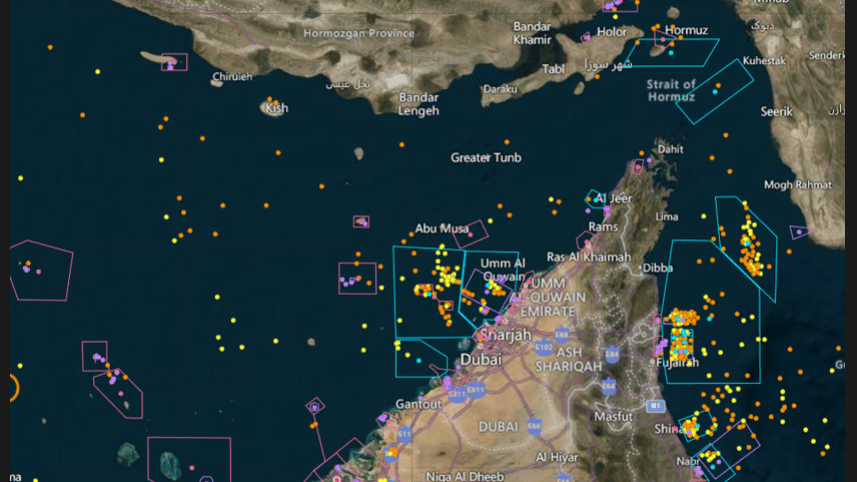
At the center of the crisis lies the Strait of Hormuz, one of the world’s most important energy chokepoints. Roughly one-fifth of the world’s oil shipments normally pass through the narrow waterway connecting the Persian Gulf with the Gulf of Oman.
But the escalating conflict has severely disrupted shipping through the corridor. As detailed in recent reporting on the Strait of Hormuz shipping collapse, tanker traffic has dropped sharply as insurance companies withdraw coverage and commercial fleets avoid the route due to mounting military risks.
With insurers labeling the passage a high-risk war zone, many shipping firms have halted operations entirely. Dozens of tankers now sit idle outside the Gulf waiting for security conditions to improve.
Energy analysts warn that the effective closure of the strait could force several Gulf producers to slash production. According to a JP Morgan analysis on a potential Hormuz shutdown, Iraq and Kuwait have limited storage capacity and may have no choice but to shut down large portions of their oil output if exports remain blocked.
Iraq Forced to Cut Output
Without functioning export routes, Iraqi officials have been forced to reduce production from some of the country’s largest oilfields, including Rumaila, West Qurna and Majnoon.
These fields collectively account for a major share of Iraq’s crude output. When exports stop, oil can only continue flowing for a limited time before storage tanks reach maximum capacity.
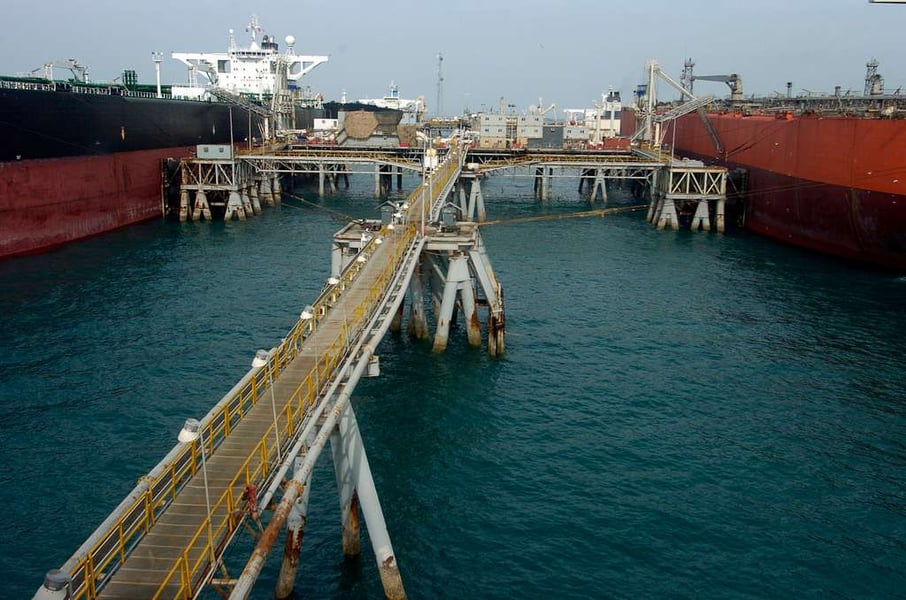
The country’s heavy reliance on oil exports makes the disruption particularly dangerous. Petroleum revenues account for more than 90 percent of Iraq’s government income, meaning even a short export interruption could inflict billions of dollars in losses.
Global Energy Markets on Edge
The disruption has already sent shockwaves through global oil markets. Traders and analysts warn that continued instability in the Gulf could trigger a major energy price surge.
Financial analysts cited in a Financial Times report on oil nearing $100 per barrel say crude prices could soon break the psychologically important $100 threshold if shipments through the Gulf remain restricted.
Energy market volatility has intensified as producers across the region begin adjusting operations. Kuwait has already announced precautionary production cuts, while other Gulf states are evaluating similar measures.
According to industry observers, the crisis now represents the largest energy market disruption since the early phases of the Russia-Ukraine war.
Shipping Industry Faces Crisis
The maritime logistics sector has also been thrown into turmoil. Shipping companies are scrambling to reroute vessels and assess security conditions before entering Gulf waters.
Some firms are diverting tankers around Africa’s Cape of Good Hope, a route that adds thousands of nautical miles and significantly increases transportation costs.
Even vessels willing to attempt the voyage face soaring insurance premiums and security risks.
The crisis underscores the fragility of global energy supply chains, which remain heavily dependent on a handful of strategic shipping routes.
A Wider Regional Conflict
The oil disruption is unfolding amid a broader regional war that has already drawn multiple actors into the conflict. Earlier developments in the confrontation were detailed in coverage of the war between Israel and Iran, which analysts say has rapidly transformed into a wider geopolitical confrontation.
The conflict has also seen new military developments across the region. Reports of Chinese Y-20 cargo planes arriving in Iran and missile exchanges across multiple fronts have raised fears that the war could expand further.
Meanwhile, naval tensions have intensified in nearby waters. Earlier coverage examined how Iran targeted the USS Lincoln with ballistic missiles, a development that significantly escalated military tensions in the region.
Asia Faces the Largest Impact
While the crisis is global, Asia may face the most immediate economic consequences.
Countries including China, India, Japan and South Korea rely heavily on crude shipments passing through the Persian Gulf. India in particular has been balancing its energy imports between Gulf producers and Moscow, a dynamic highlighted in recent reporting on India buying Russian oil amid sanctions pressure.
If tanker traffic through the Gulf remains restricted, these economies could face both supply shortages and sharp price increases.
Energy strategists say the crisis illustrates the vulnerability of global fuel supply chains concentrated around a single maritime chokepoint.
A Crisis With Global Consequences
The sudden collapse of Iraqi oil production demonstrates how quickly geopolitical conflict can destabilize the world’s energy system.
With shipping lanes under threat and regional producers cutting output, the coming weeks could determine whether the disruption becomes a temporary shock or a prolonged global energy crisis.
For now, global energy markets remain on edge as governments and traders watch the Strait of Hormuz closely, aware that the narrow waterway remains one of the most critical arteries of the world economy.