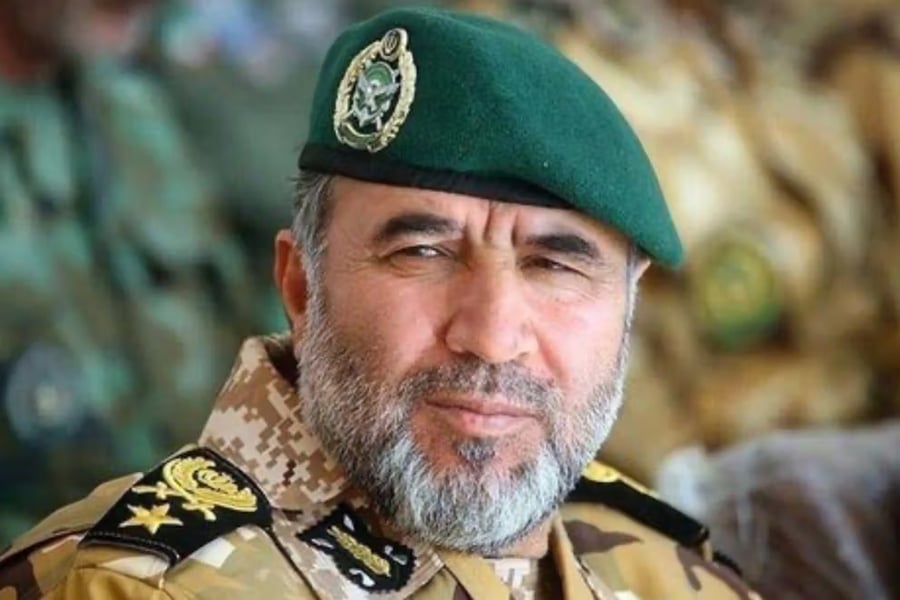

TEHRAN — Iran will continue fighting until it achieves its strategic objectives, the commander of the country’s ground forces said Thursday, signaling Tehran’s readiness for a prolonged conflict following the latest escalation after Israel attacked Iran.
“We do not care how many days the war lasts. We have endured an eight-year war, and we will end this war when we achieve all our goals and make the enemy repent and despair of his shameful actions,” Iranian Ground Forces commander Kioumars Heydari said in remarks broadcast by Iran’s state-run IRIB network.
The comments represent one of the clearest public statements from a senior Iranian military official since hostilities intensified, reflecting Tehran’s determination to continue the confrontation despite growing international concerns over the risk of a wider regional conflict.
Heydari’s remarks invoked Iran’s experience during the devastating eight-year war with Iraq in the 1980s, a conflict that remains a defining reference point in the country’s military doctrine and political rhetoric. Iranian officials frequently cite that period as evidence of the nation’s resilience in the face of sustained military pressure.
The Iranian commander did not specify what precise objectives Tehran is pursuing in the current confrontation, but Iranian officials have repeatedly said the war will continue until Iran’s strategic goals are secured.
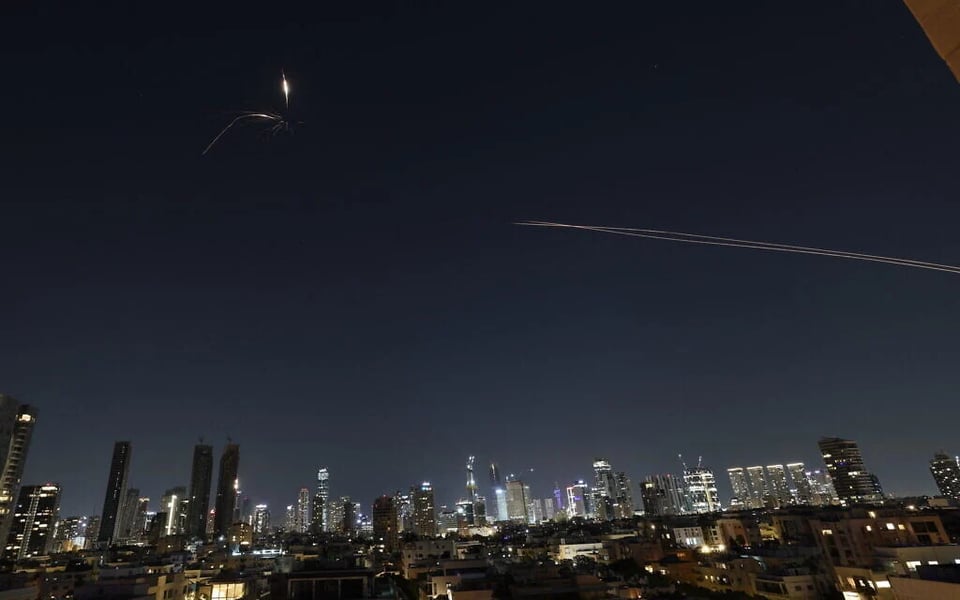
Analysts say statements such as Heydari’s are intended both as a message to domestic audiences and as a signal to adversaries that Iran is prepared for a sustained military confrontation if necessary.
Despite the intensifying conflict narrative, Iranian officials have sought to reassure the international community about the continued security of global energy shipping routes, particularly through the Strait of Hormuz, one of the world’s most critical maritime chokepoints.

Heydari said Iran has not closed the strait and continues to interact with vessels transiting the route in accordance with international maritime protocols.
Energy traders and shipping companies are closely monitoring developments, as disruptions to global shipping routes have already begun to affect tanker traffic and insurance costs in the region.
The reassurance from Iranian officials comes as governments and businesses worldwide assess the economic consequences of the escalating conflict. Recent market turmoil linked to the confrontation has already pushed energy prices higher and raised fears of supply disruptions affecting multiple continents.
The strategic significance of the strait means that even limited instability can ripple through the global economy. Approximately one-fifth of the world’s petroleum supply flows through the waterway each day, making it a focal point whenever tensions flare in the Gulf.
Iran has previously warned that it possesses the capability to restrict or block the maritime corridor if its security is threatened, though officials have also said such measures would be taken only under extreme circumstances.
The escalating conflict between Israel and Iran has intensified diplomatic activity across the region and beyond, with governments urging restraint as military exchanges risk expanding into a broader regional war.
Several regional powers have expressed concern that continued hostilities could destabilize already fragile security dynamics in the Middle East, where multiple conflicts and rivalries intersect.
Military analysts note that both Israel and Iran possess significant military capabilities, raising the stakes of any direct confrontation between the two long-standing adversaries.
Recent developments in the wider Middle East conflict have underscored the potential for the confrontation to expand beyond the immediate battlefield, drawing in additional actors and further complicating regional stability.
For Iran’s leadership, however, Heydari’s remarks suggest that the duration of the war will not determine its outcome.
Instead, Iranian officials frame the conflict as one defined by strategic endurance, a message repeatedly emphasized by commanders who view national resilience as a decisive factor in prolonged confrontations.
“We do not care how many days the war lasts,” Heydari said.
“This war will end when Tehran achieves its goals.”
Developments in the broader confrontation have also been closely followed internationally. Previous reporting has examined US fears Iran retaliation as tensions escalate across the Middle East.
Energy markets have likewise reacted sharply to the crisis, with analysts warning that disruptions to the global oil shipments passing through the Strait of Hormuz could drive further volatility in international prices.
Other reports have documented the emergence of global protests after strikes on Iran as the conflict continues to draw reactions around the world.
The latest remarks from Tehran come as governments, financial markets and security analysts continue to watch closely for signs of whether the confrontation will intensify further or move toward diplomatic de-escalation.