
Global oil markets surged into crisis mode after coordinated strikes by the United States and Israel against Iran over the weekend, triggering a sharp rally in crude prices and reigniting fears of prolonged supply shocks tied to the Strait of Hormuz, the maritime chokepoint through which around 20 percent of global oil exports transit.
The escalation follows intensifying military developments detailed in our earlier coverage of US and Israeli strikes on Tehran, a move that has dramatically raised regional tensions and market uncertainty.
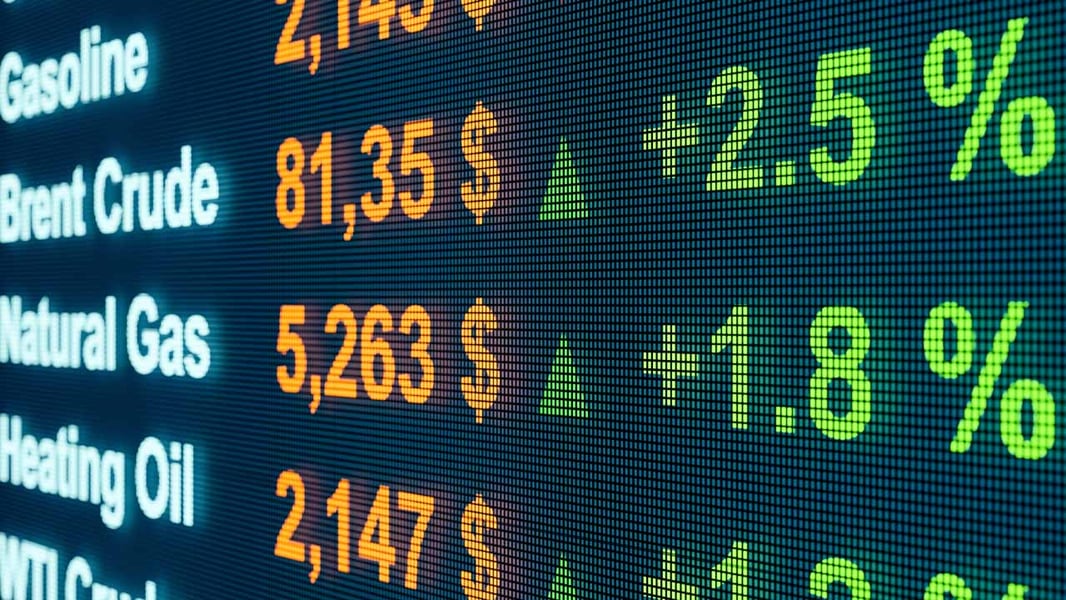
Brent crude jumped roughly 10% to about $80 per barrel in over-the-counter trading immediately after the attacks, and analysts warned that prices could approach or exceed $100 a barrel if tensions persist and shipping through Hormuz remains constrained.
Western Military Escalation and Iran’s Strategic Leverage
The latest strikes mounted by Washington and Tel Aviv deep into Iranian territory have intensified regional tensions and revived focus on Iran’s geographic leverage over the world’s most sensitive energy corridor. Even limited disruption in Hormuz can have outsized global ramifications given its central role in transporting crude from Gulf producers to Asia, Europe, and beyond.
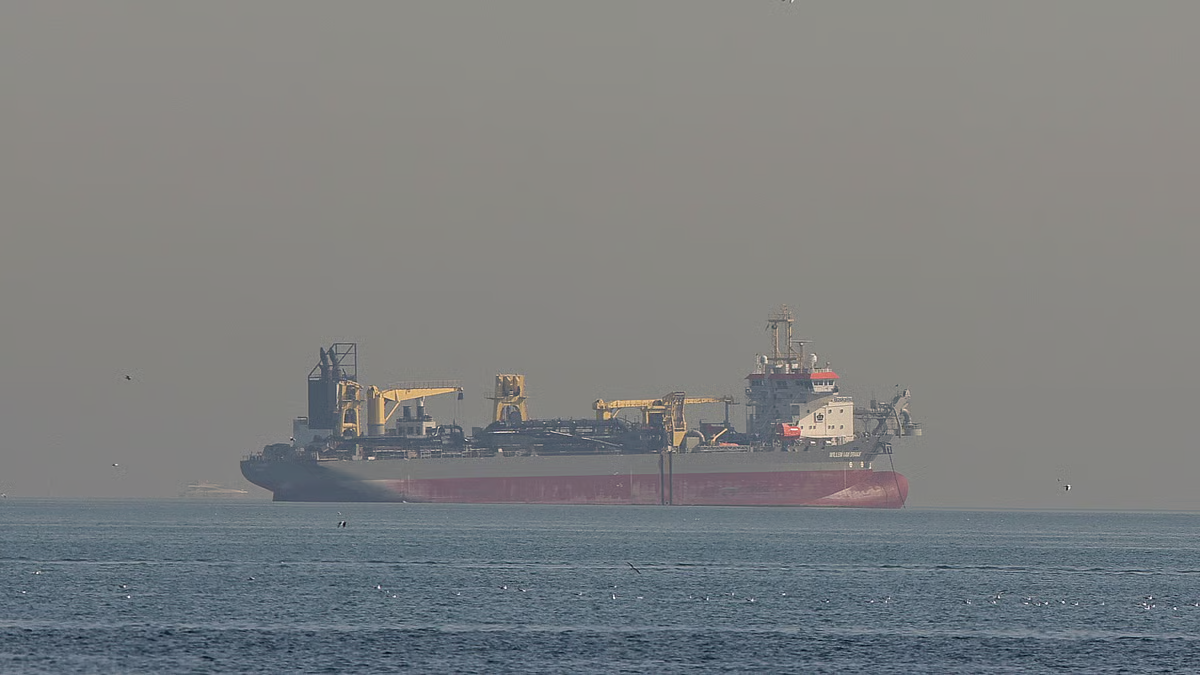
Energy traders and insurers are already recalibrating risk exposure. Reports indicate that shipowners, major oil traders, and tanker operators have either halted or rerouted movements through the region amid rising security threats. Even without a formal closure, such operational hesitations tighten available supply and inject a geopolitical risk premium into pricing.
Maritime insecurity in the Gulf builds upon months of tension across West Asia, including the ongoing humanitarian catastrophe in Gaza that we analyzed in our report on the Rafah crossing closure in Gaza, which further destabilized regional dynamics.
OPEC+ Response Faces Skepticism
In response to mounting volatility, OPEC+ agreed to a modest production increase of 206,000 barrels per day beginning in April. While symbolically important, analysts argue that this incremental boost may prove insufficient if maritime disruptions escalate or insurance costs surge further.
Energy realignments are already underway, particularly as Russia deepens its trade relationships across Asia — trends previously examined in our coverage of the latest Russia-Ukraine war developments, where sanctions-driven shifts in oil flows reshaped global supply chains.
The Strait of Hormuz: A Global Chokepoint
The narrow waterway linking the Persian Gulf to the Arabian Sea has long been a flashpoint in regional power struggles. Roughly one-fifth of global crude exports and significant volumes of liquefied natural gas pass through this corridor daily. Any sustained interference would reverberate far beyond West Asia.
Even partial slowdowns can disrupt shipping schedules, spike insurance premiums, and reduce tanker availability. Alternative overland pipelines in Saudi Arabia and the United Arab Emirates can offset only a fraction of the volumes at stake, leaving global supply chains exposed.
Markets React Across Asset Classes
The shock has not been confined to oil alone. Financial markets are displaying broader stress signals as markets brace for further volatility tied to the unfolding confrontation. Safe-haven assets and currencies have strengthened as investors hedge against prolonged instability.
Rising energy costs threaten to reignite inflationary pressures just as many economies attempt to stabilize post-pandemic growth cycles. Import-dependent nations in Asia and Europe face heightened exposure to sustained price spikes.
Strategic and Economic Implications
A sustained move toward $100 oil would increase transportation and manufacturing costs globally, strain fiscal balances, and complicate central bank policy decisions. Emerging economies are particularly vulnerable to currency depreciation and capital outflows when energy prices surge abruptly.
A System Under Strain
The oil surge reflects more than temporary volatility. It signals a fragile equilibrium in which geopolitical confrontation can rapidly destabilize energy markets. With the Strait of Hormuz once again at the center of international tension, traders, policymakers, and consumers alike are preparing for an extended period of uncertainty.
Whether prices stabilize or accelerate toward triple digits will depend on the trajectory of military developments and the ability of global powers to prevent further disruption to one of the world’s most vital energy arteries.