TEHRAN — The rapidly escalating war between Israel and Iran has taken a dramatic geopolitical turn following reports that as many as 16 Chinese Y-20 military cargo aircraft may have landed in Iran within a short period, raising speculation about a large-scale transfer of military equipment as the regional conflict intensifies.
The development comes amid the expanding crisis triggered after Israeli strikes on Iranian military and nuclear infrastructure, an operation that has pushed the Middle East closer to a wider regional confrontation. The strikes followed earlier claims reported in Israeli strikes on Tehran killed Iran’s Supreme Leader, an allegation that Tehran has rejected while vowing retaliation.
Amid the fog of war and conflicting narratives, defense analysts are examining reports that approximately 16 Chinese Y-20 military transport aircraft landed in Iran within roughly 48 to 56 hours. According to defense monitoring outlets, reports of 16 Chinese Y-20 military cargo aircraft landing in Iran have triggered widespread speculation about whether Beijing has quietly begun providing logistical support to Tehran as the confrontation deepens.
The Y-20, often compared to the American C-17 strategic airlifter, is capable of transporting heavy armored vehicles, missile systems, air-defense equipment and large quantities of ammunition across intercontinental distances. If the reports are confirmed, analysts say the operation could represent one of the most significant rapid military airlifts into Iran in recent years.
Escalating Military Confrontation
The broader conflict has intensified dramatically in recent days. The war between Israel and Iran has rapidly expanded into one of the most volatile confrontations in decades, drawing international concern as missile attacks and military deployments spread across the region.
Inside Israel, the situation has remained tense as Iranian missiles striking Israeli cities and forcing residents into shelters have raised fears of further escalation.
The fighting has also reverberated across the Middle East. In the Gulf region, the conflict widened after Iran claims destroying UAE THAAD radar amid widening Gulf war, a development that further heightened tensions among regional powers.
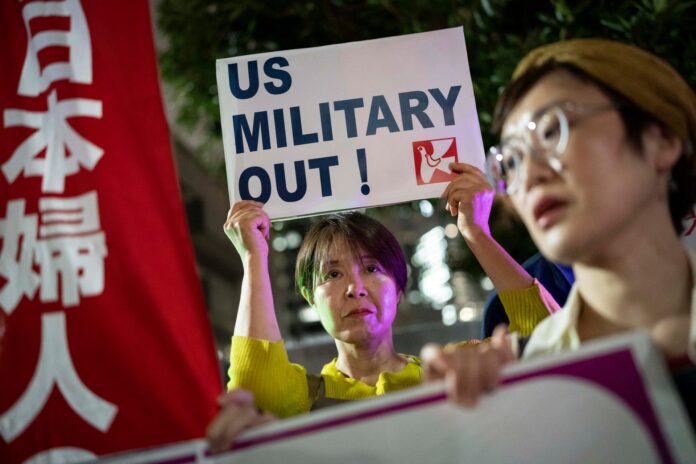
Meanwhile, the unrest has triggered demonstrations in several countries. Reports described global protests erupt after US and Israel strikes on Iran, reflecting the broader geopolitical fallout from the confrontation.
Rumors and Information Warfare
The controversy surrounding the alleged Chinese airlift highlights the growing role of information warfare in modern geopolitical conflicts. Analysts note that reports and rumors can spread rapidly online, often before reliable verification becomes available.
One example is the viral speculation surrounding rumors that Israel killed Iran’s interim Supreme leader Arafi, illustrating how unverified claims can quickly circulate during times of crisis.
Similarly, debates continue over the exact nature of China’s involvement. Some observers argue that the flights may have been routine logistical operations, while others suggest they could indicate deeper strategic cooperation between Beijing and Tehran.
China’s Strategic Calculations
China has maintained complex relations across the Middle East, balancing partnerships with Iran alongside extensive economic ties with Gulf Arab states and Israel.
Diplomatic statements from Beijing have emphasized de-escalation, with officials stressing that China has urged an immediate ceasefire and diplomatic negotiations to prevent the conflict from spiraling into a broader war.
At the same time, geopolitical competition with Washington remains an important backdrop. Recent tensions highlight how China rejects US demand to join nuclear arms reduction talks, reflecting broader strategic rivalry between the world’s two largest powers.
Chinese officials have also repeatedly warned that China warns US containment will never succeed, a message that resonates strongly as tensions rise across multiple geopolitical fronts.
Energy and Global Economic Risks
Beyond the battlefield, the crisis is already reshaping global economic calculations. Analysts say the conflict is causing global aviation and shipping routes disrupted by the conflict, affecting trade and travel across the region.
Energy markets are also reacting sharply. Economists warn that continued escalation could lead to disruption to global oil markets and energy supplies, particularly if fighting spreads near critical maritime chokepoints.
In this context, Reuters report indicate that China negotiating with Tehran to secure safe passage for oil shipments through the Strait of Hormuz, highlighting Beijing’s strong interest in maintaining stable energy flows.
Iran’s Position
Tehran has rejected accusations that its nuclear program is aimed at weapons development. Officials insist that Iran rejects accusations that it is attempting to build nuclear weapons, describing the allegations as politically motivated.
Iranian commanders have also signaled readiness for a prolonged conflict. In recent remarks, military leaders emphasized that the war would continue until Tehran achieves its strategic objectives.
A Region on Edge
Whether the reports of Chinese cargo aircraft ultimately prove accurate or exaggerated, the speculation itself underscores how fragile the regional balance has become.
The Israel-Iran confrontation has already transformed the geopolitical landscape of the Middle East. Missile exchanges, shifting alliances and the growing involvement of global powers have created a volatile environment in which even unconfirmed developments can trigger international concern.
As military operations continue and diplomatic efforts struggle to contain the crisis, the question of whether outside powers will play a more direct role in the conflict remains one of the most consequential uncertainties facing the region.