
ISTANBUL, March 5 — Iran has forcefully rejected accusations that it is attempting to build nuclear weapons, with a senior Iranian diplomat describing the claims as a “big lie” amid escalating regional tensions following Israeli attacks on Iranian territory.
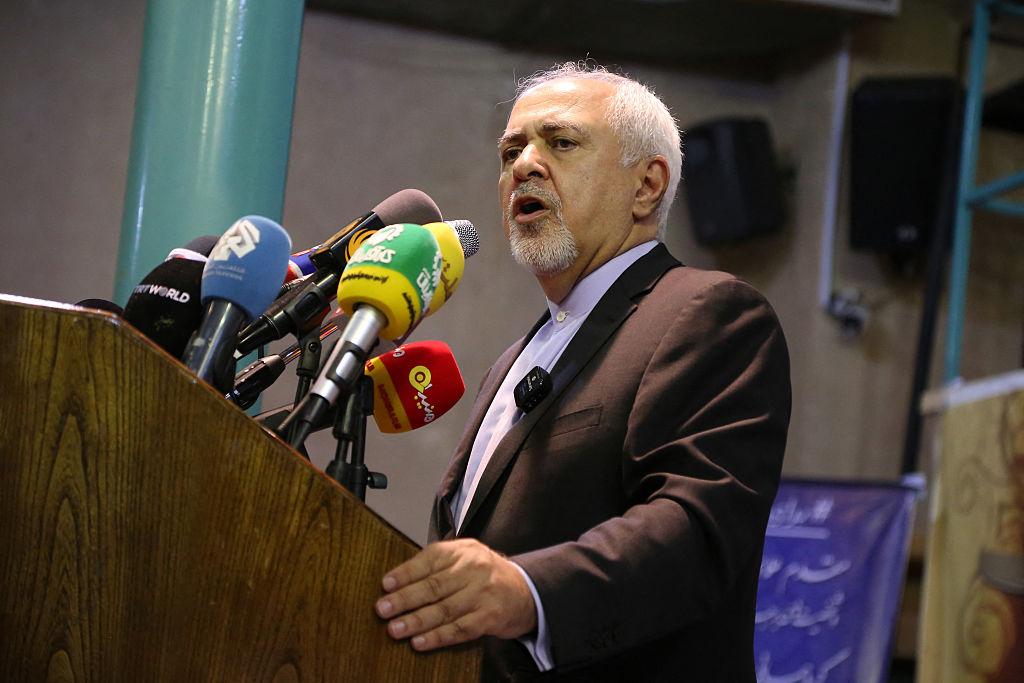
Deputy Foreign Minister Kazem Gharibabadi said Thursday that allegations surrounding Tehran’s nuclear ambitions were fabricated and politically motivated, arguing that they were part of a broader campaign against the Islamic Republic.
“Claims that Iran is allegedly pursuing nuclear weapons are a big lie — we reject them,” Gharibabadi said in an interview with Turkish broadcaster A Haber. “Claims that Iran is allegedly pursuing nuclear weapons are a big lie – we reject them. A war is being waged against Iran, and the Americans are supporting it in Iran’s interests.”
The remarks come at a moment of heightened geopolitical tension in the Middle East following military escalation involving Israel, the United States and Iran. Washington and its allies have long accused Tehran of secretly seeking nuclear weapons capability, an allegation Iran has consistently denied.
Recent developments have intensified those tensions. The conflict entered a volatile new stage after a series of strikes targeting Iranian military infrastructure, part of a wider regional confrontation that analysts say could reshape the balance of power in the Middle East.
Iranian officials maintain that the country’s nuclear program is designed exclusively for peaceful purposes, including electricity generation, scientific research and medical applications. Tehran says it remains committed to the Nuclear Non-Proliferation Treaty and rejects claims that its nuclear activities have military dimensions.
The dispute over Iran’s nuclear program has been one of the central flashpoints in Middle Eastern geopolitics for more than two decades. Western governments, particularly the United States and Israel, have repeatedly warned that Iran’s expanding uranium enrichment program could allow it to produce nuclear weapons.
Iran, however, insists the accusations are politically motivated and part of a broader narrative used to justify sanctions and military pressure. Russia has also stated it has seen no evidence that Tehran was developing nuclear weapons before the current war escalated.
Despite these disputes, international monitoring agencies continue to track developments closely. The International Atomic Energy Agency has repeatedly called for greater transparency regarding Iran’s enrichment activities and nuclear facilities.
Recent reporting suggests that inspectors are still assessing the condition of Iran’s main nuclear infrastructure after recent strikes. Some analyses have examined the status of Iran’s main nuclear facilities, including the Natanz enrichment complex and other sites that form the backbone of the country’s civilian nuclear program.
Satellite imagery and early inspections have produced conflicting assessments about possible damage to Iranian nuclear infrastructure during the conflict. Reports indicated that international watchdogs were still examining evidence after strikes reportedly targeted sensitive locations tied to the nuclear program.
According to Reuters coverage of the war, inspectors initially found no clear indication that Iranian nuclear sites had been destroyed, though investigations into possible damage continue as hostilities unfold.
The nuclear issue has long been intertwined with broader regional rivalries. Iranian leaders frequently point to Israel’s undeclared nuclear arsenal as evidence of what they describe as double standards in international nuclear diplomacy.
Tehran has repeatedly called for the establishment of a nuclear-weapon-free zone in the Middle East, arguing that regional security concerns cannot be resolved through military pressure alone.
The current crisis has also triggered wider geopolitical reactions across the region. Armed factions aligned with Iran have warned that continued attacks could lead to a broader regional confrontation involving multiple countries.
In Iraq, militia groups allied with Tehran have voiced support for the Iranian government and issued warnings of retaliation against US and Israeli interests in the region. Those developments were highlighted in reports describing how Iraqi militia factions warned of escalation following attacks on Iran.
The conflict has also triggered widespread protests across several countries, where demonstrators have condemned the strikes and expressed solidarity with Iran. International media have documented how global protests erupted after Western military action against Iran, highlighting the conflict’s growing international impact.
Meanwhile, the war between Israel and Iran has expanded into a complex regional confrontation that includes missile exchanges, cyber operations and naval tensions in strategic waterways.
Recent developments on the battlefield have underscored the scale of the confrontation. Analysts note that the conflict between Israel and Iran could last weeks or even months depending on the military objectives pursued by each side.
Some assessments suggest the confrontation may only end once Tehran believes it has achieved its strategic goals in the region, a view echoed in analyses describing how the war could continue until Iran believes its objectives are met.
Other incidents linked to the conflict have also fueled fears of a broader regional war. Reports have described incidents including an Iranian drone strike targeting military facilities in Bahrain, highlighting the risk that hostilities could spread further across the Gulf region.
The military confrontation has also raised speculation about the fate of senior Iranian leaders and officials amid intense airstrikes and covert operations. In recent days, unconfirmed claims circulated online about possible strikes targeting figures within Iran’s political leadership.
Those rumors followed reports about allegations that Israeli strikes had targeted senior Iranian leadership, although such claims have not been independently verified.
Diplomatic tensions have continued to mount as the war expands. Western governments maintain that preventing Iran from acquiring nuclear weapons remains a key strategic objective.
Iran, however, insists that its nuclear program is purely civilian and argues that accusations about nuclear weaponization are used to legitimize hostile policies toward the country.
For Tehran, the dispute over nuclear weapons allegations has become inseparable from the broader geopolitical struggle shaping the Middle East today.
As the conflict deepens, the question of Iran’s nuclear ambitions remains one of the most contentious and consequential issues in global security.