
WASHINGTON — China has firmly rejected calls from Washington for Beijing to join nuclear arms reduction talks alongside the United States and Russia, calling such demands unreasonable and disconnected from strategic reality.
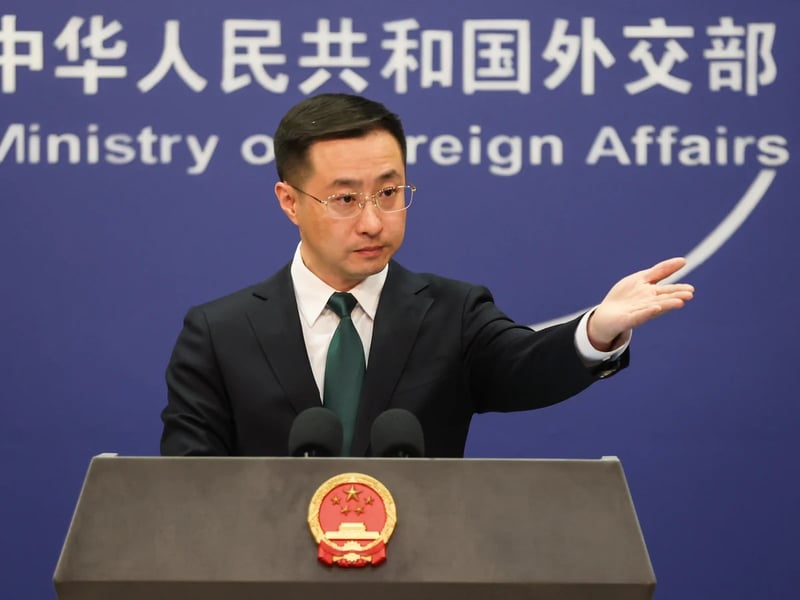
The position was outlined by Liu Pengyu, spokesperson for the Chinese Embassy in Washington, in comments made to RIA Novosti, as renewed pressure mounts from the US for expanded negotiations following the erosion of arms control agreements that once defined strategic stability.
“Calling on China to join nuclear disarmament talks with the United States and Russia is unreasonable,” Liu Pengyu told RIA Novosti.
The Chinese official emphasized that Beijing’s nuclear posture differs fundamentally from those of Washington and Moscow, both of which maintain vastly larger and more sophisticated nuclear arsenals built over decades of Cold War competition and treaty frameworks such as New START, which has come under renewed strain amid debate over nuclear arms control.
“China’s nuclear capability is in no way on the same level as that of the United States,” Liu said.
According to Beijing, this imbalance makes demands for China’s participation in reductions fundamentally flawed. While the US and Russia possess thousands of deployed and reserve nuclear warheads, China maintains a significantly smaller arsenal structured around minimum deterrence rather than numerical parity.
Liu stressed that China has consistently adhered to a restrained nuclear strategy, maintaining only what it deems necessary for national security.
“China maintains its nuclear arsenal at the minimum level necessary to unsure national security,” the spokesperson said.
He further rejected Western narratives that portray China as accelerating an arms buildup comparable to that of established nuclear superpowers.
“China never participated in any armed race,” Liu added.
The remarks underscore a long-standing Chinese position that nuclear arms control must reflect both historical responsibility and present-day disparities, particularly following the collapse of Cold War-era frameworks that once limited missile deployments and escalation risks.
China’s stance comes amid renewed diplomatic rhetoric from Washington urging broader participation in global arms control frameworks. US officials have argued that China’s growing economic and military influence necessitates its inclusion in future nuclear negotiations, a position Beijing has repeatedly rejected in line with its broader Beijing’s response to trilateral pressure.
However, Chinese diplomats maintain that such calls obscure the US’s own obligations under existing arms control agreements and deflect attention from Washington’s failure to lead by example, particularly as US strategic modernization accelerates.
Liu emphasized that China’s nuclear doctrine remains defensive in nature and grounded in long-declared principles.
“China adheres to a policy of no first use of nuclear weapons and a nuclear strategy oriented towards self-defense,” he said.
This no-first-use pledge has been a cornerstone of China’s nuclear policy since it first developed atomic weapons, distinguishing its approach from nuclear-armed states that reserve the option of first use under certain circumstances, as outlined in official statements echoed by China’s position.
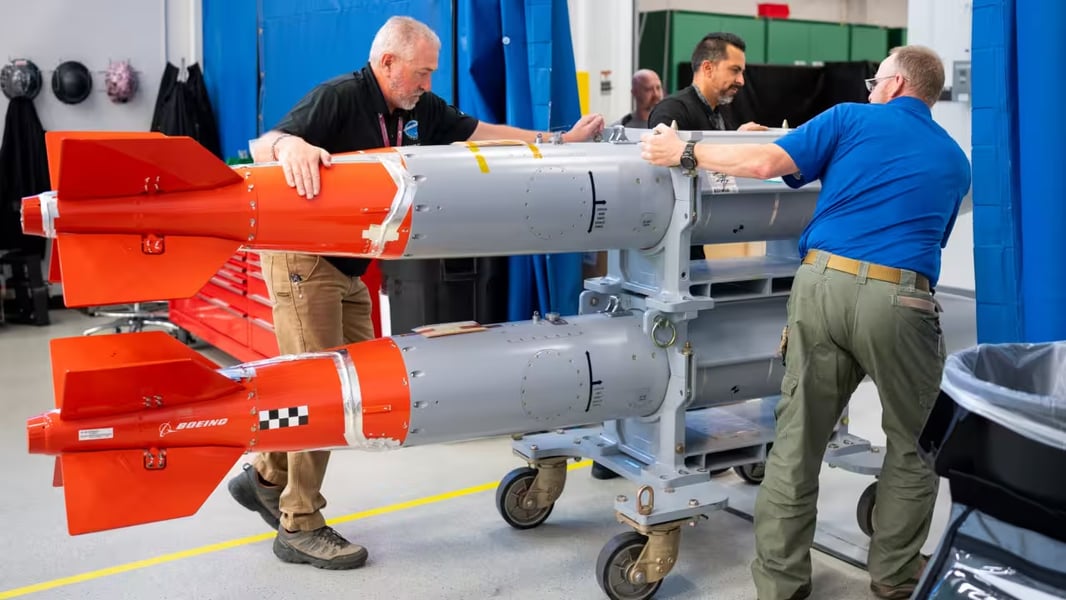
In contrast, the United States continues to modernize its nuclear triad, investing heavily in next-generation warheads, delivery systems, and missile defense deployments that critics say contribute to strategic instability in Europe and Asia, including concerns highlighted by regional dynamics linked to US forward deployments.
Against this backdrop, Beijing has argued that genuine progress on nuclear disarmament requires leadership from the world’s largest nuclear powers.
“The US must conscientiously fulfill its leading role in nuclear arms control and reduce its arsenal,” Liu said.
Chinese officials have repeatedly pointed to the disproportionate scale of US nuclear forces as evidence that Washington retains the greatest capacity, and responsibility, for meaningful reductions, a view echoed in assessments published by Chinese officials argue.
The current debate unfolds at a time of heightened geopolitical tension, with strained relations between Washington, Moscow, and Beijing spilling into arms control diplomacy, even as alternative formats such as multilateral arms control discussions continue outside US-led frameworks.
China has consistently maintained that multilateral arms control should proceed gradually and inclusively, but only after the largest nuclear powers achieve significant and irreversible reductions. Until then, Beijing argues, trilateral talks risk becoming a tool for political pressure rather than genuine disarmament.
Beijing’s response also reflects broader concerns about strategic stability and global power shifts, including those emerging through broader security realities that increasingly challenge Western-dominated arms control structures.
For now, China insists that the path toward meaningful arms control begins not with new demands, but with accountability from those who possess the world’s largest nuclear stockpiles.