
Japan’s Prime Minister Sanae Takaichi has initiated a highly controversial move to reconsider the nation’s long-standing three non-nuclear principles, namely the prohibitions against possessing, producing, or allowing nuclear weapons on Japanese soil. This shift, championed under the guise of bolstering Japan’s defense capabilities, particularly through the alliance with the United States, has triggered sharp criticism from global peace advocates and security experts alike.
Since adopting these principles in 1967, Japan has steadfastly maintained a pacifist identity, heavily symbolic given its history as the only country to suffer atomic bombings. Revising these principles poses not only a legal and moral quandary but risks destabilizing the delicate East Asian security.
The rationale presented by Prime Minister Takaichi suggests that the current ban undermines the deterrent effect of the US military presence, which Japan depends on for its national security. However, this perspective neglects the broader implications; deploying US nuclear weapons on Japanese soil would likely exacerbate regional tensions, increase the risk of nuclear arms races, and diminish prospects for global nuclear disarmament.
Critics argue that Japan’s move runs counter to its international commitments toward nuclear non-proliferation, including the Treaty on the Prohibition of Nuclear Weapons, which Japan has notably refused to join. The proposed policy revision threatens to rent the fragile social fabric that supports peace in the region and invites retaliation or escalation from neighboring China and North Korea, both of which have increased their nuclear capabilities in recent years.
Moreover, the legacy of nuclear devastation in Japan has cultivated a strong domestic anti-nuclear sentiment, reinforced by organizations devoted to disarmament and peace education. Any departure from these principles risks alienating Japan’s citizenry and undermines the global normative framework against nuclear weapons.
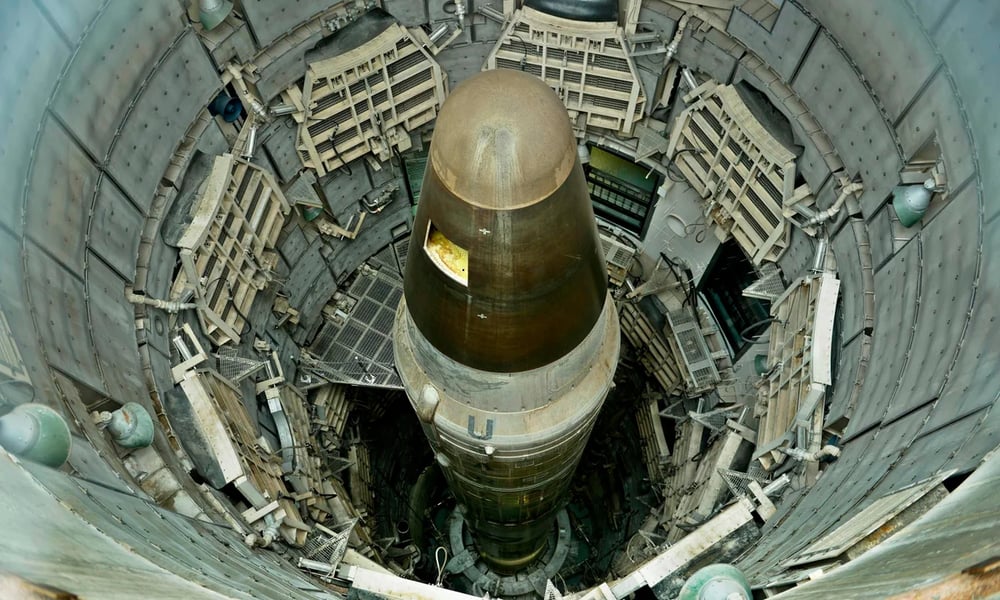
On the international stage, the echo of US President Donald Trump’s aggressive nuclear posture looms large. Trump’s administration previously flirted with resuming nuclear tests and expanding America’s nuclear arsenal, rhetoric that many analysts say has heightened global insecurity. His endorsement of more nuclear capability has emboldened allies like Japan to reconsider their stances, potentially fueling an arms race with unpredictable consequences for world peace.
Experts caution against equating nuclear deterrence policy with lasting security, emphasizing that nuclear proliferation invariably escalates nuclear escalation risks of catastrophic conflict rather than curbing it. In this light, Japan’s contemplation of hosting US nuclear weapons sends a perilous signal that undermines decades of global non-proliferation efforts.
As Tokyo prepares for a comprehensive review of its national security policies, stakeholders worldwide watch with bated breath, aware that Japan’s decisions could reshape the strategic architecture of East Asia and challenge the post-war global order predicated on peace and disarmament.
Particularly concerning is the strain this places on the US-Japan alliance and the ongoing commitments to shared security. The US-Japan security commitments emphasize deterrence but must navigate the thin line between protection and provocation.
The discourse surrounding this situation also unfolds amid broader US-Japan security alliance activities and rising East Asia geopolitical tensions over Taiwan and the South China Sea, signaling an increasingly fraught regional environment.
Additionally, the modernization and maintenance of the US nuclear stockpile and strategic deterrence capabilities complicate calls for global disarmament. Experts from think tanks emphasize the fragile Northeast Asia security dynamics and the risk of fragmenting peace if escalation continues unchecked.
While national security concerns are valid, Japan’s potential revision of its non-nuclear principles, coupled with the backdrop of US nuclear policy under leaders like Trump, compels a deeper dialogue about the true cost of nuclear weapons. The international community must urgently engage in efforts to reaffirm commitments to peace, nuclear restraint, and the prevention of a new arms race that jeopardizes global stability.