
REHOVOT – Late in the afternoon at the Weizmann Institute of Science, Dr. Yarden Ariav was watching cancer cells lose something fundamental: their ability to move. Deprived of cholesterol by a drug best known for treating erectile dysfunction, the cells had lost the molecular scaffold they use to invade new tissue and seed distant organs. The drug was sildenafil, the active ingredient in Viagra. A study describing the mechanism, published in the journal Cancer Research in July 2026, represents what researchers call a world first.
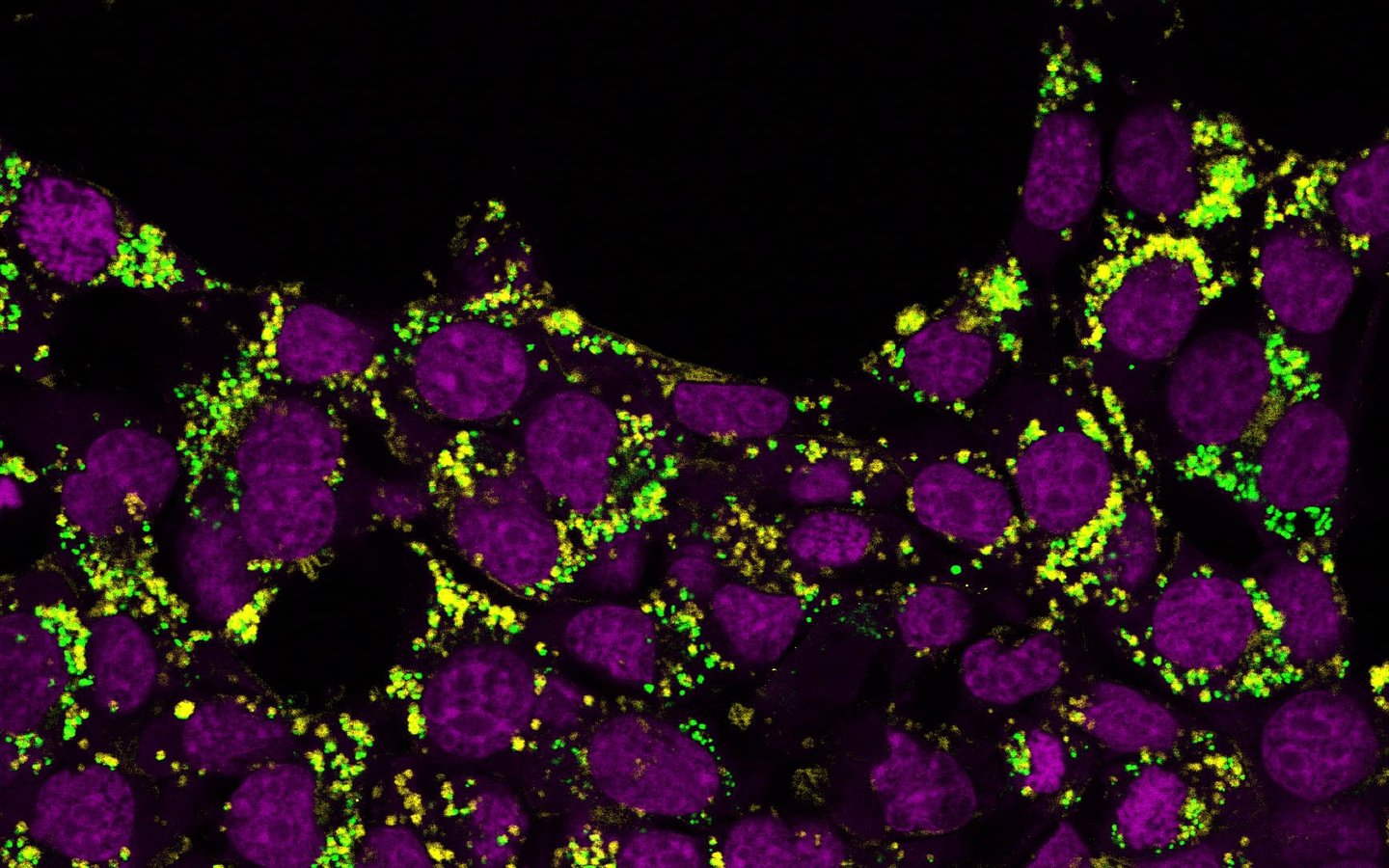
The research identifies phosphodiesterase type 5, known as PDE5, as an enzyme cancer cells depend on for their internal cholesterol supply. Sildenafil is a PDE5 inhibitor: it blocks the enzyme, raising levels of a signaling molecule called cyclic GMP, which in turn traps the transport proteins that ferry cholesterol into cancer cells. Without cholesterol, the researchers found, tumors lose a structural and signaling resource that is critical for metastasis. The work, led by Dr. Ariav and Prof. Ayelet Erez at the Weizmann Institute in Rehovot, tested the hypothesis across five cancer types: triple-negative breast cancer, melanoma, lung cancer, colon cancer, and prostate cancer.
Prof. Erez, who also serves as a practicing physician and dean of the Miriam and Aaron Gutwirth Medical School at the Weizmann Institute, was direct about what should happen next. “The uniqueness and the most important thing that we now need to do is a clinical trial to give Viagra to women with triple-negative breast cancer,” she said.
The study’s second major component moved the findings out of the laboratory and into real patient data. Prof. Erez collaborated with Dr. Samah Hayek, a senior epidemiologist at Clalit Health Services and a lecturer at Tel Aviv University’s Department of Epidemiology and Preventive Medicine, to examine twenty years of anonymized records from Clalit’s five million members. That dataset, one of the largest integrated electronic health records in the world, showed that patients who had been taking sildenafil and statins for at least six months before a cancer diagnosis showed the highest survival rates in the cohort.
The combination was significant. Statins reduce the liver’s overall production of cholesterol; sildenafil blocks the targeted delivery of cholesterol to cancer cells. Together, the two drugs appear to cut off the supply from two directions at once. Sildenafil alone showed a measurable signal in the Clalit data, but the association with improved outcomes strengthened significantly when both drugs were present.
Dr. Hayek described the rationale for drawing on the health fund’s records rather than relying on mouse models alone. “We try to translate the science and then give the science to the patients,” she said.
Dr. Ido Wolf of the Tel Aviv Medical Center, who was not involved in the research, said the findings pointed to territory that had gone unrecognized. “Metastatic cancer cells critically depend on cholesterol, and disrupting its intracellular trafficking represents a previously unrecognized therapeutic vulnerability,” he said.
The research does not establish that sildenafil cures cancer in humans, and the Clalit analysis is observational: patients already prescribed sildenafil for erectile dysfunction who also happened to be on statins showed better outcomes, but the dataset cannot fully account for every variable that separates those patients from others. The Weizmann team has been explicit that a randomized controlled trial is the necessary next step, and that no conclusions about clinical benefit can be drawn without one.
As the Times of Israel reported, the drug’s safety profile is one of its most attractive features for repurposing. Sildenafil has been prescribed for more than two decades, its side effects are well characterized, and its manufacturing is off-patent, meaning a clinical trial could be initiated at a scale and cost that would not be feasible for a novel compound.
What the study cannot yet answer is whether the doses used in erectile dysfunction treatment correspond to the doses that would produce an anticancer effect. Prof. Erez has been direct about the limits of what the data shows. “We need to add the patients to the equation. What they eat, their physical activity, and the drugs that they are taking,” she said, noting that the biological effect appears to operate within a broader metabolic context.
Triple-negative breast cancer is the subtype Prof. Erez highlighted specifically in calling for clinical trials. It is among the most difficult to treat because it does not respond to hormone-based therapies or HER2-targeted drugs, leaving chemotherapy as the primary option for many patients. Whether sildenafil proves effective there, or across the other four cancer types in the study, is a question the Weizmann team’s work alone cannot settle. The Clalit dataset offers a signal; confirming it requires a trial that controls for what observational data, however large, cannot.