
Laura Sides has described how learning she had inherited a gene linked to a rare form of early-onset Alzheimer’s disease transformed her decisions about family, relationships and the years ahead.
Speaking to Dr Sian Williams for BBC Radio 4’s Life Changing podcast, Sides recalled choosing to undergo genetic testing after watching her father develop the disease in his 40s. In the BBC’s account of her experience, she is described as 43, approaching the age at which a specialist had predicted she might begin to decline.
Caring for her father before confronting her own risk
Sides described a close relationship with her father, a GP, and said she left university to care for him as his Alzheimer’s symptoms worsened. She remembered outings to a lighthouse, collecting coasters and playing music while helping him bathe.
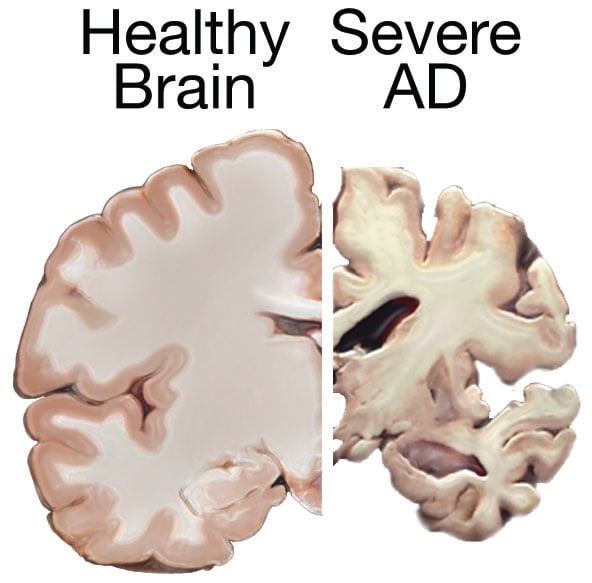
During one hospital appointment, a doctor told her she had a 50% chance of developing the same inherited form of early-onset Alzheimer’s, known in the report as the London variant. At the time, she was concentrating on her father’s care and pushed the information aside.
Her father died in 2009, a year after her mother. Sides subsequently travelled alone around the world and eventually settled in Melbourne, Australia. But questions about whether she had inherited his condition followed her.
Six months of counselling before the test
In 2013, Sides consulted a specialist who explained that testing could establish whether she carried the inherited gene. According to her account, he estimated an age of decline between 46 and 48 if she tested positive. She initially decided she was not ready to know.
As she entered her 30s, she reconsidered. Before taking the test, she underwent six months of genetic counselling. The results then took another six weeks to arrive.
Sides attended the results appointment alone, having arranged to meet a friend for lunch afterwards. She recalled being told that she had inherited the gene. Initially, she struggled to absorb the news. Anger and questions about how to live with that knowledge came later.
Finding purpose through research and family
Her sister’s pregnancy helped draw her back towards the UK. Sides also participated in medical trials before and after learning her result, describing research as a positive way to respond to an otherwise painful situation.
The diagnosis has affected personal relationships. Sides said she sometimes struggled to decide when to tell someone new about her future, and that disclosure had often been followed by a relationship ending. Nevertheless, she said she had also experienced love and reassurance.
She spoke, too, about the difficulty of setting aside an expectation that she would become a mother. These were personal decisions about her circumstances, rather than advice to other people facing genetic testing or questions about parenthood.
A future focused on everyday happiness
Rather than pursuing a list of distant ambitions, Sides said she wants more time with people who make her feel safe. Nature, being outdoors and spending time in water have become important sources of happiness.
Her account concerns a particular inherited form of Alzheimer’s and the specialist advice she received. The age range reported in her story is not a universal timetable for dementia risk, nor does the BBC report establish that she has already developed symptoms.
For Sides, knowing the result has changed how she approaches the present. Her priorities now centre on close relationships and ordinary pleasures, including two favourites she mentioned to the BBC: champagne and oysters.