
PROVIDENCE, R.I. — One in 17. That is the rough number of dementia cases that a 500,000-person study suggests could be prevented with a vaccine already sitting in every American pharmacy — a vaccine prescribed for shingles, not for memory loss.
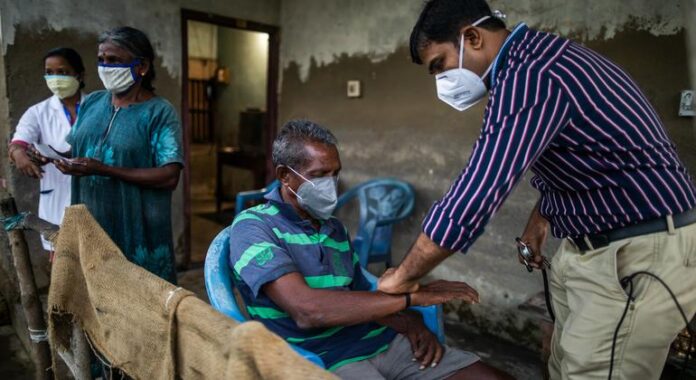
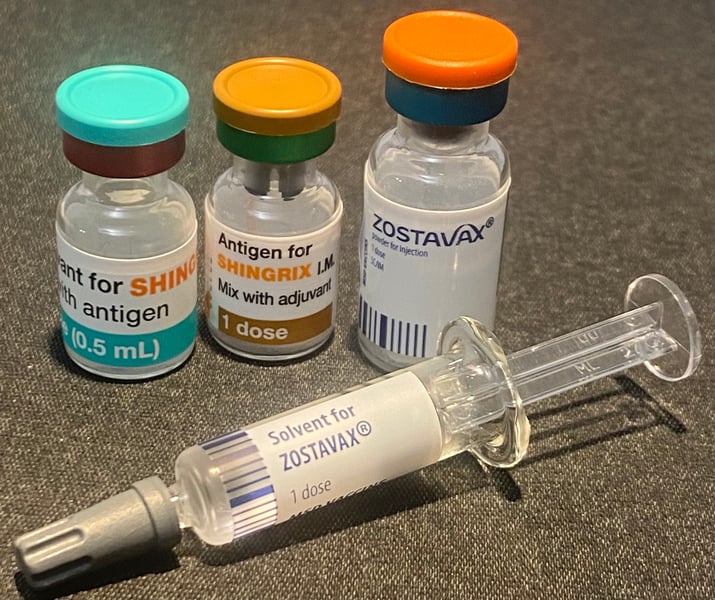
The new analysis, which researchers published in their study in the Annals of Internal Medicine, examined Medicare claims and electronic health records from more than 509,000 adults age 66 and older admitted to skilled nursing facilities between 2017 and 2022. Using a method called target trial emulation, designed to approximate the conditions of a randomized controlled trial when running one is not feasible, researchers at Brown University found that those who received at least one dose of Shingrix — the recombinant shingles vaccine introduced in 2017 — were 24 percent less likely to receive a dementia diagnosis over the following four years compared with those who remained unvaccinated.
The raw numbers are blunt. Among vaccinated adults, 18.8 percent developed dementia within four years. Among those who did not receive the vaccine, 24.6 percent did. Researchers estimated that translates to roughly one dementia case prevented for every 17 people vaccinated.
The study does not prove the vaccine prevents dementia. It establishes a statistical association — a large, consistent, and plausible one, but an association nonetheless. The authors disclosed partial funding from GlaxoSmithKline, the manufacturer of Shingrix, and emphasized that the company had no control over the study design, analysis, or the decision to publish. Brown University noted in its announcement that more research — including randomized clinical trials — would be needed before drawing causal conclusions.
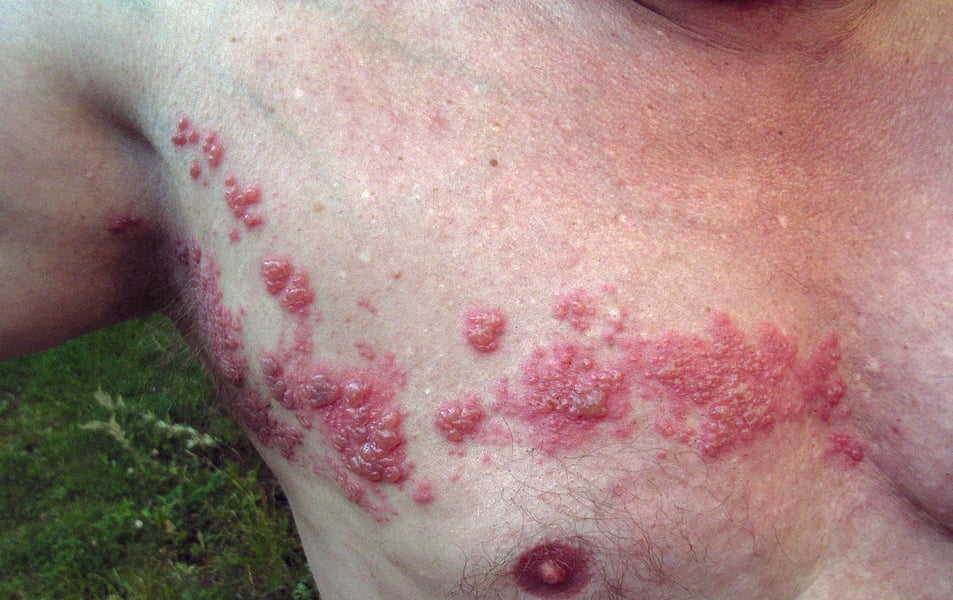
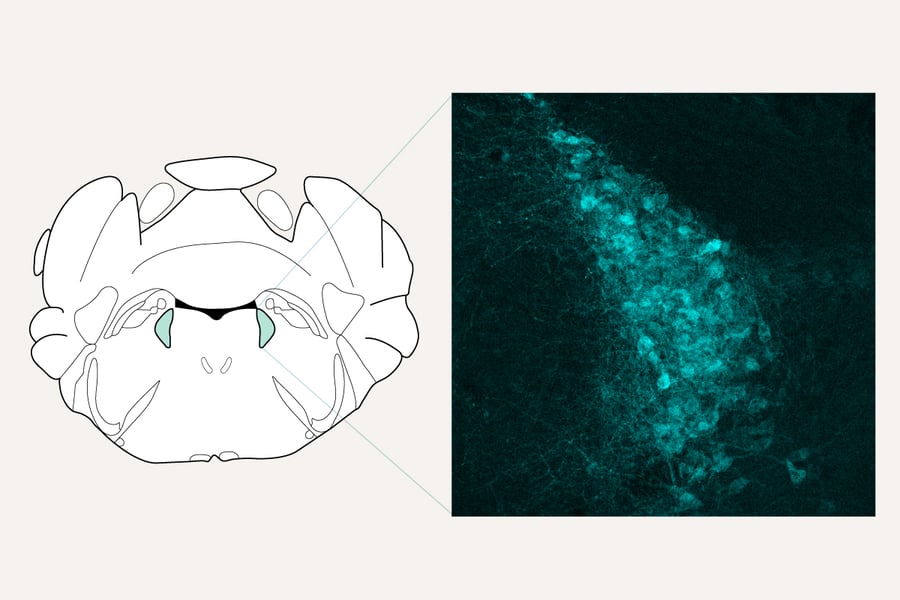
What makes the association scientifically credible is the mechanism behind it. Shingrix works by suppressing the reactivation of the varicella-zoster virus — the herpesvirus that causes chickenpox in childhood, then lies dormant in nerve cells for decades before re-emerging as shingles. Neurologists have long suspected that periodic reactivations of this neurotropic virus, including subclinical ones that produce no visible rash, may act as a chronic inflammatory stressor on the nervous system. Recent research has linked the varicella-zoster virus directly to amyloid deposition and tau protein aggregation — the biological hallmarks of Alzheimer’s disease — as well as to cerebrovascular damage consistent with vascular dementia.
If blocking those reactivations can interrupt that inflammatory cascade before it accumulates into cognitive damage, a reduction in dementia risk would follow. The Brown University study does not confirm this mechanism, but the findings are consistent with it.
The study adds to a growing body of evidence. A separate retrospective study published earlier in 2026 found that two full doses of the recombinant zoster vaccine were associated with a 51 percent lower dementia risk in adults aged 65 and older — a larger effect that researchers attributed to the stronger immune response generated by a complete vaccination series. And in a natural experiment in Wales, researchers used an age-based eligibility cutoff for the older live-attenuated shingles vaccine — Zostavax — as a form of accidental randomization. Those born just after the cutoff, who received the vaccine, developed dementia at lower rates than those born just before it, who did not.
Shingrix is a more powerful immune trigger than Zostavax. If the Welsh finding reflected a real protective effect, current users of Shingrix could be receiving greater protection than earlier estimates suggested.
The practical question is what medicine does with that implication right now. The Food and Drug Administration approves Shingrix to prevent shingles and postherpetic neuralgia — the nerve pain that can persist for months after the rash resolves. It is not approved to prevent or treat dementia. No agency has updated its guidance in the wake of the new findings, and clinicians pressing patients about their vaccination status are doing so for shingles prevention, not cognitive preservation.
That gap may close — or remain open — in 2027, when first results are expected from the DAN ZOSTER study, a randomized controlled trial of approximately 162,000 adults in Denmark designed specifically to test whether shingles vaccination reduces dementia incidence. That will be the definitive test.
Until then, the Brown University researchers say, the evidence is strong enough to take seriously, even if it does not yet justify a change in clinical guidance. What is harder to ignore is the uptake gap. Fewer than 40 percent of eligible older adults in the United States are fully vaccinated against shingles. If the dementia-protection hypothesis survives a randomized trial, that statistic will look different in retrospect — not as evidence that millions of Americans made an informed choice against the vaccine, but as evidence that a window to prevent cognitive decline was left open for years while the research caught up.
The DAN ZOSTER results will not arrive for another year. The question now is whether the existing evidence — a mechanistic argument, a Welsh natural experiment, and a 509,000-person analysis — is enough to change what doctors say to their older patients in the meantime. Medicine does not usually move before the randomized trial. But the data, increasingly, is not waiting.