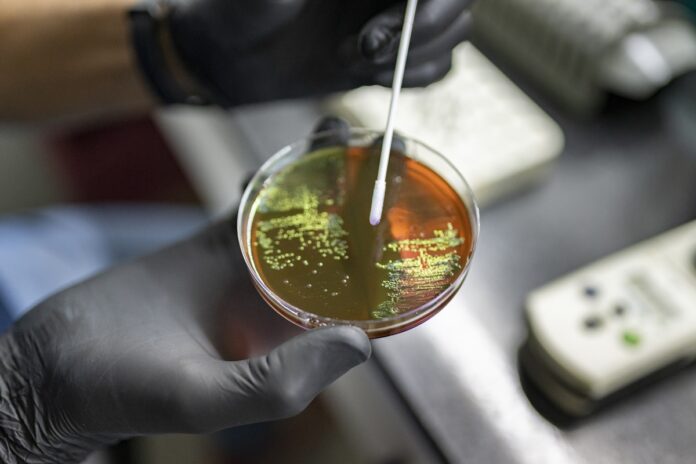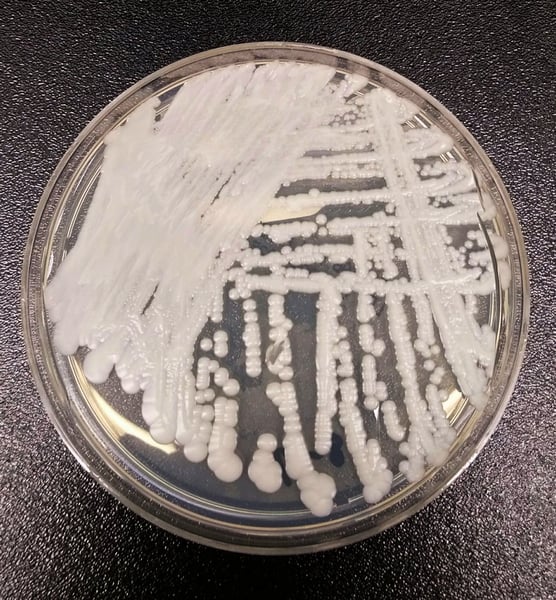

NEW YORK — A woman of 28 went into a Kenyan hospital for elective surgery and developed an infection at the wound site. Doctors treated her for a suspected bacterial cause and she kept getting sicker, Gizmodo reported, until a swab of the pus showed the culprit was a yeast.
The organism, Candidozyma auris, is better known as Candida auris. Researchers from the Kenya Medical Research Institute and the Walter Reed Army Institute of Research-Africa found that her isolate resisted azoles, echinocandins, polyenes and flucytosine, the four antifungal classes, in a case report published on September 29 in Scientific Reports.
Erick Odoyo and colleagues tested the isolate on a VITEK 2 system and sequenced its genome on an Illumina NextSeq 1000, comparing it with reference strain B8441. Minimum inhibitory concentrations were at least 64 mg/L for fluconazole and flucytosine, above 8 mg/L for micafungin and 2 mg/L for amphotericin B. The genome carried changes in ERG11, CDR1, FKS1 and FUR1, genes that Mount Sinai researchers tied to azole, echinocandin and flucytosine resistance in an earlier case reported in Antimicrobial Agents and Chemotherapy. The abstract names no gene behind the amphotericin B result.
That earlier case is the reason this one matters. The paper calls pan-resistant isolates “exceedingly rare” and counts this as the second documented anywhere, after a New York transplant patient in 2022. Gizmodo reported that the mutations differ from the New York strain, so the Kenyan lineage most likely acquired its resistance on its own, though the authors cannot fully rule out a link.
The limits are plain. This is one isolate from one patient, and the journal flags the online version as an early release “subject to further edits.” Neither the abstract nor Gizmodo’s account says what became of her. Gizmodo said the hospital was told of the result so it could apply infection-control measures aimed at the fungus. The authors say the finding “signals an escalating resistance threat and underscores urgent need for antifungal stewardship.”
The wider numbers carry their own rough edges. The CDC’s tracking page lists 6,304 clinical cases reported to the agency in 2024, while noting that the rate of increase has slowed since 2022 and that case counts and trends vary by state. The agency says the fungus “can be multidrug-resistant and can cause life-threatening illness.” The paper describes it as a World Health Organization high-priority fungal pathogen.
What the abstract does not say is whether the strain stayed inside that one hospital.