
WORCESTER, N.Y. — A sample in Maryland of a New York dairy’s raw cheddar isolated two strains of Shiga toxin-producing E. coli, and nobody has reported getting sick. That gap, between a positive sample and a patient, is where the dairy chose on Thursday to pull a lot of its cheese from grocery shelves in two states.
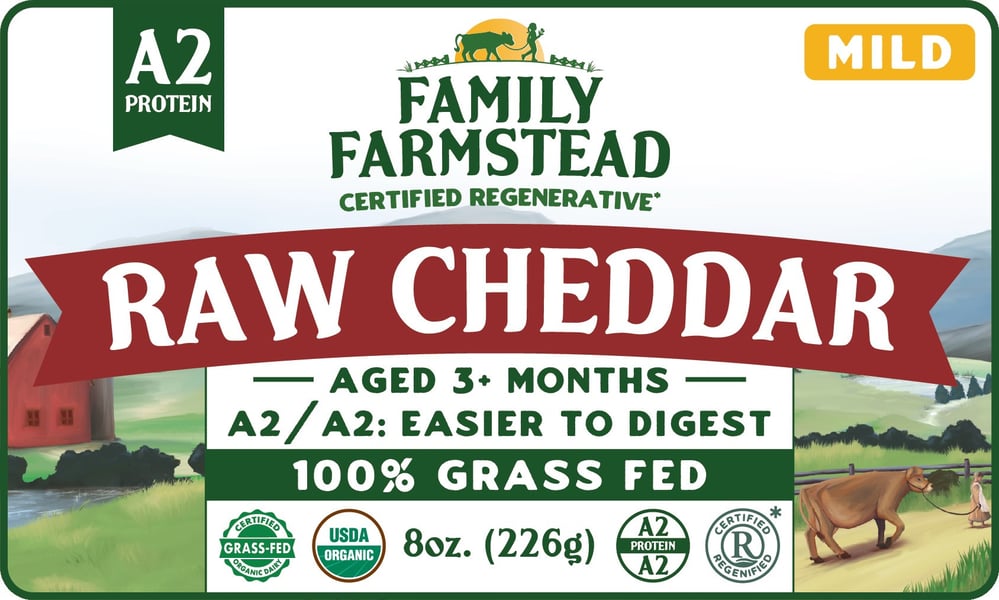
Family Farmstead Dairy of Worcester is recalling one lot of Raw Mild Cheddar Cheese, which went to grocers in New York and New Jersey, according to a company announcement the Food and Drug Administration posted on October 15. The lot code and best-by date are both 7/22/27, and the cheese is sold in clear plastic with green, red and white labeling. “No other Family Farmstead Dairy products are included in this recall,” the notice says.
How the problem surfaced takes one sentence. The notice says the issue was discovered when “a LFFM sample in Maryland isolated two strains of Shiga toxin-producing E. coli (STEC) in two samples of Family Farmstead A2 Raw Cheddar, 8 oz package, 7/22/27.” It does not say what LFFM stands for, who took the samples or which laboratory ran them. The company says it “has received no reports of illness associated with the recalled product.”
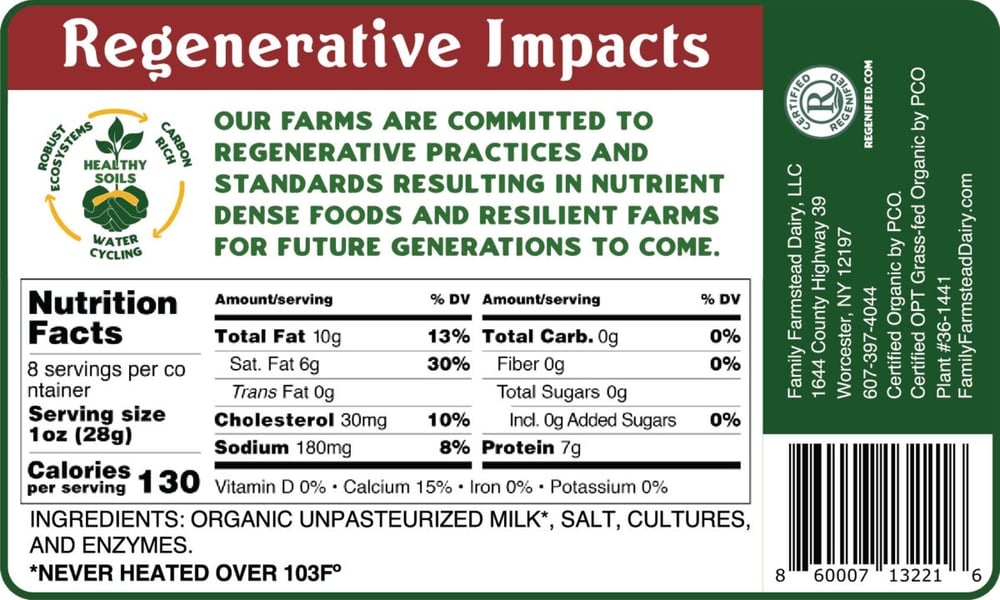
The FDA notice says the cheese may be contaminated with E. coli O157:H7, yet it describes the Maryland result only as two STEC strains and never says whether either was O157:H7. The question lands in a year when raw cheese has already drawn two E. coli investigations from federal health officials.
In March, the CDC reported infections tied to Raw Farm raw cheddar and raw milk. Its closed investigation counted nine cases in three states, three hospitalizations, one of them a case of hemolytic uremic syndrome, and no deaths. Over half of the illnesses were in children under 5, the agency said. Raw Farm recalled all of its raw cheddar on April 2.
In September, the CDC said in an update dated September 25 that 13 people in nine states were linked to Graziers raw milk cheeses sold by Sierra Nevada Cheese Company. Eight were hospitalized, three with hemolytic uremic syndrome, and none died. Illnesses began between July 7 and August 26, and the agency cautioned that the true number of sick people is “likely much higher than the number reported.”
Family Farmstead’s recall is smaller: one lot, two states, no reported illness. The label posted with the notice calls the cheddar “Aged 3+ Months,” a claim the notice does not address in explaining how two strains turned up in finished cheese. The notice also prints 7/22/27 as both lot code and best-by date, which leaves open when the cheese was made, how many packages were sold and whether any are still in refrigerators.