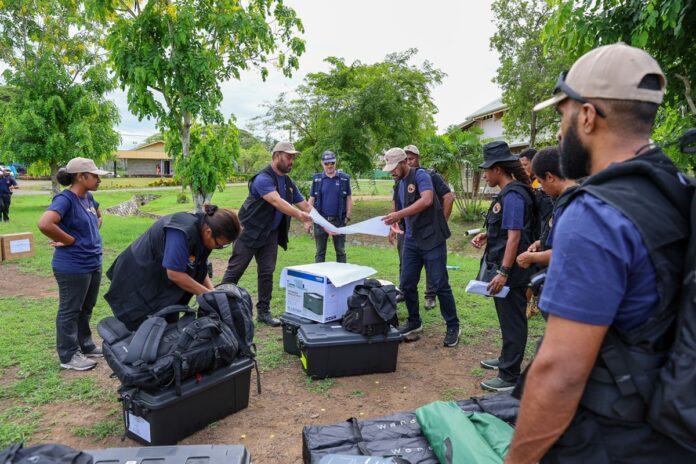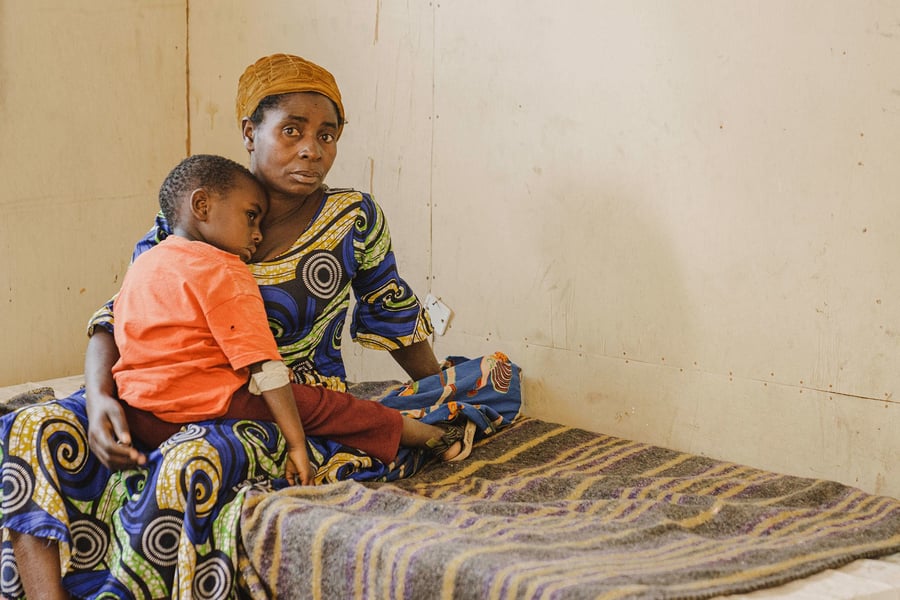

KINSHASA — Cholera killed 86 people in Congo in a single week, up from 62 the week before, while an Ebola outbreak that has now killed 4,381 runs alongside it.
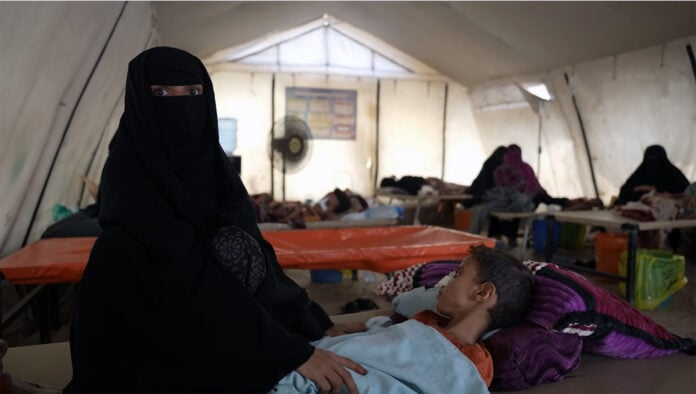
The World Health Organization counted 2,932 suspected cholera cases between September 21 and 28, up from 2,506 the previous week, an increase of 426 cases, or about 17 percent, with deaths rising roughly 39 percent. South Kivu, North Kivu and Haut-Katanga account for nearly 60 percent of suspected cases, and four new health zones were affected, three in Tshuapa province and one in South Kivu.
The weekly figures sit on a long climb. Since January 2025 Congo has recorded more than 125,000 suspected cases and 3,644 deaths, and so far in 2026 more than 51,412 cases and 1,487 deaths across 21 provinces, UN News reported, citing WHO. By TEH’s arithmetic that is a fatality rate near 2.9 percent this year. When WHO described the outbreak in June 2025, it said a rate of about 2 percent pointed to gaps in early and adequate treatment.
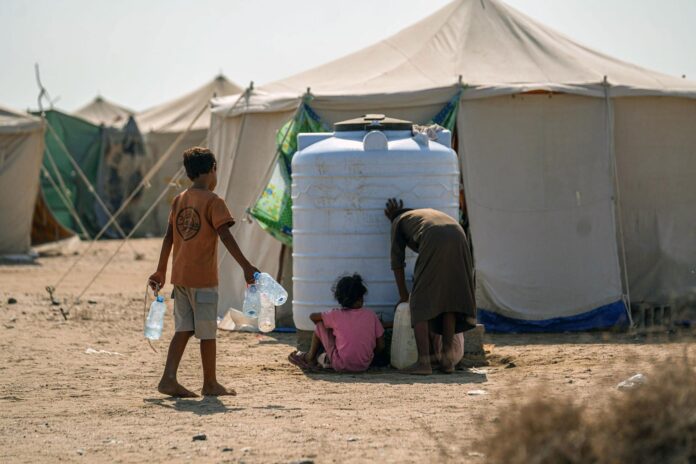
The causes WHO names are old ones: a lack of clean water and sanitation, and well water and rainfall that carry contamination into household supplies. Insecurity makes it worse. It restricts medical teams’ access to certain areas, particularly Kibua and Masisi, and remote villages wait longer for treatment. Four water chlorination sites are being prepared in the hardest-hit parts of North Kivu, where TEH reported North Kivu Ebola cases surging 73 percent in September, and in Tanganyika WHO plans to disinfect nearly 4,000 households and 5,900 latrines.
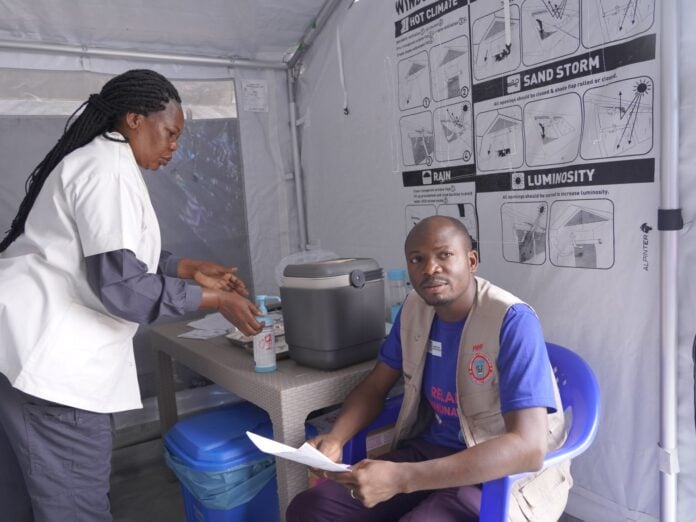
Vaccination is the part still being assembled. Preparations continue for an oral vaccination campaign on islands along the Congo River corridor, and Congo and the Republic of Congo are developing a joint cross-border plan. Reactive campaigns are already under way in the Mulungu and Shabunda health zones of South Kivu.
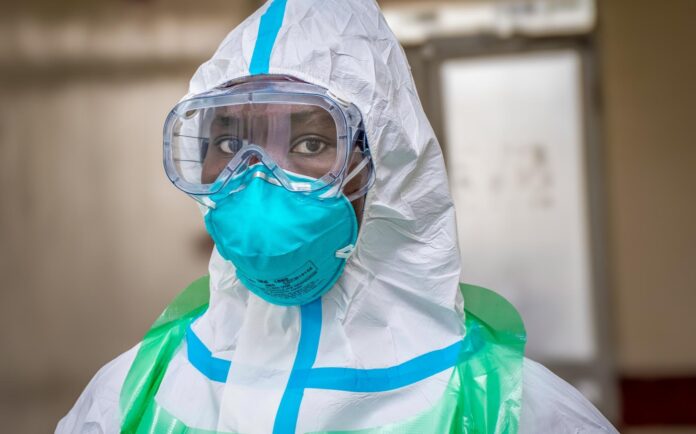
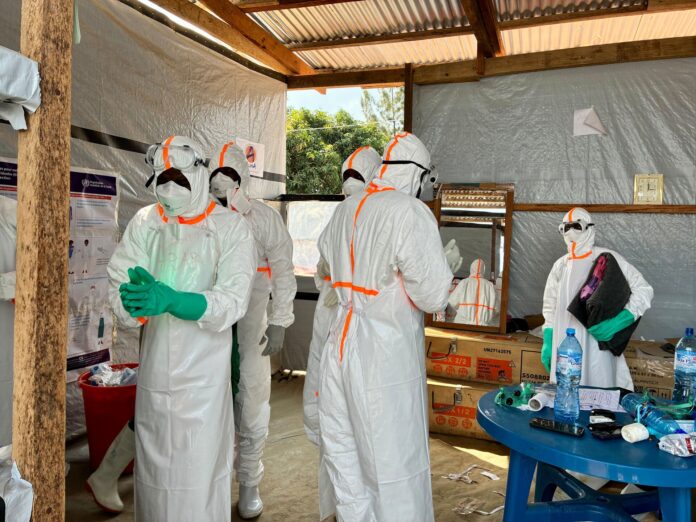
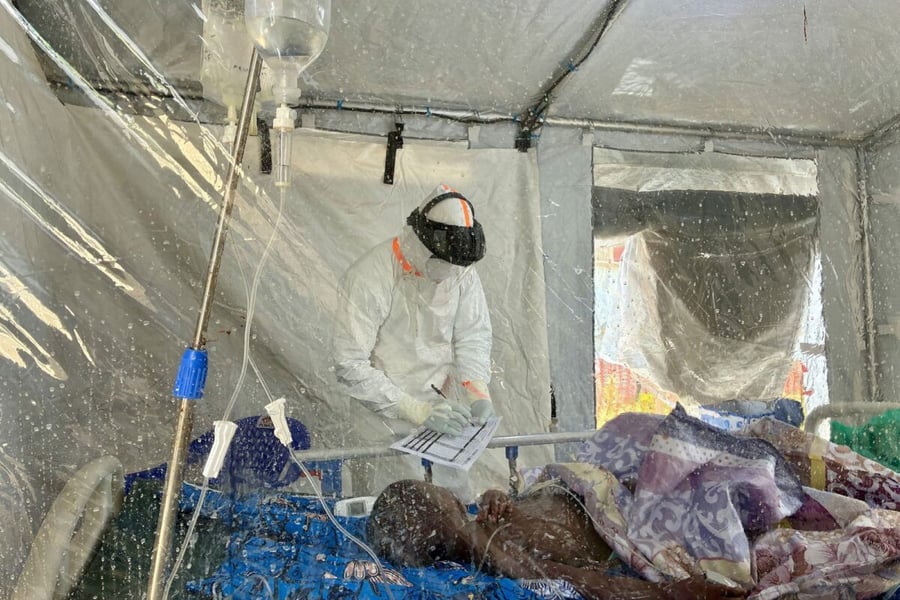
The Ebola picture runs alongside it. WHO’s latest data, published on Tuesday, show 9,066 cases and 4,381 deaths across seven provinces and 65 health zones, a fatality rate of 48.3 percent, as TEH reported in its Congo Ebola count passing 9,000. The Ebola treatment centre in Isiro, in Haut-Uele, has been expanded. The two sets of figures cover different periods and are not directly comparable.
What WHO’s account leaves out is money and capacity. It gives no funding figure for the cholera response, no date for the river-corridor vaccination campaign, and no count of treatment centres or staff diverted to Ebola.
WHO’s account stops at the week to September 28. Nothing in it says what the weeks since have brought.