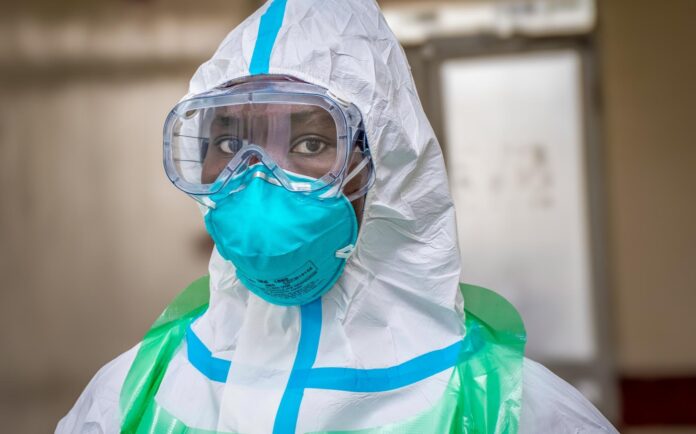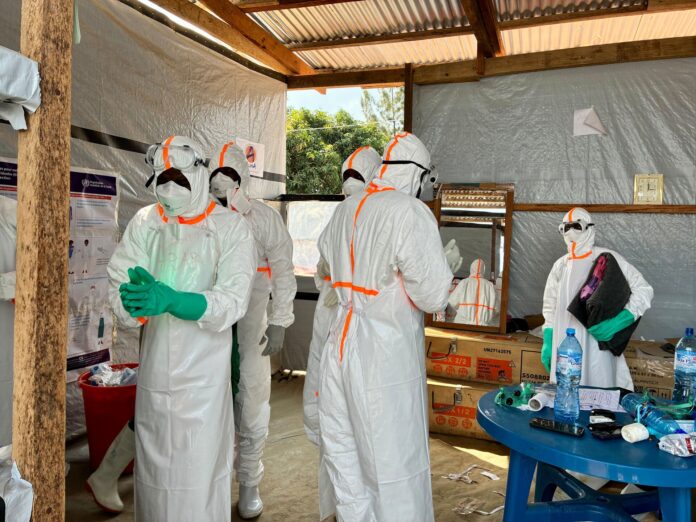

CAIRO — More than 1,530 people died in the 632 attacks on health care that the World Health Organization verified across the Eastern Mediterranean between July 2025 and June 2026, which is 86 percent of all deaths from such attacks anywhere in the world.
The figures come from the annual report the WHO presented to health ministers from the region’s 22 countries and territories this week in Cairo, at the 73rd session of its Eastern Mediterranean Regional Committee. The region holds nine percent of the world’s people and nearly half of those who need humanitarian aid, 117 million as of June, according to WHO. The organization said it was responding to 14 graded emergencies there, eight at the highest level.
Money is shrinking as need grows. The regional base programme budget for 2026-2027 fell 14 percent, from $618.4 million to $533.7 million, and more than 300 posts were cut. The regional health emergency response remains more than 40 percent underfunded, and funding cuts in 2025 affected nearly 2,000 health facilities and almost 26 million people in seven countries. “At the very moment when needs are increasing, resources are declining,” Director-General Tedros Adhanom Ghebreyesus told the committee, UN News reported.
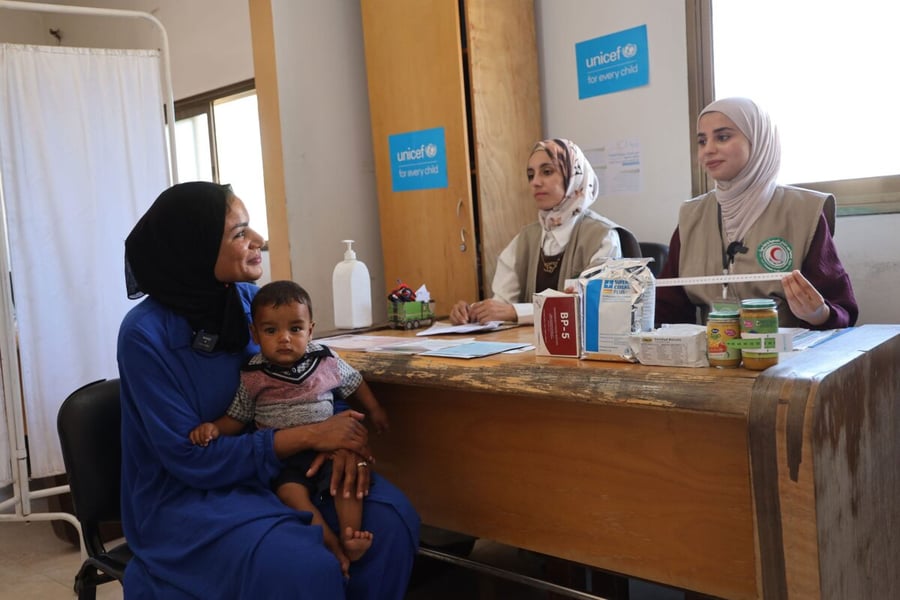
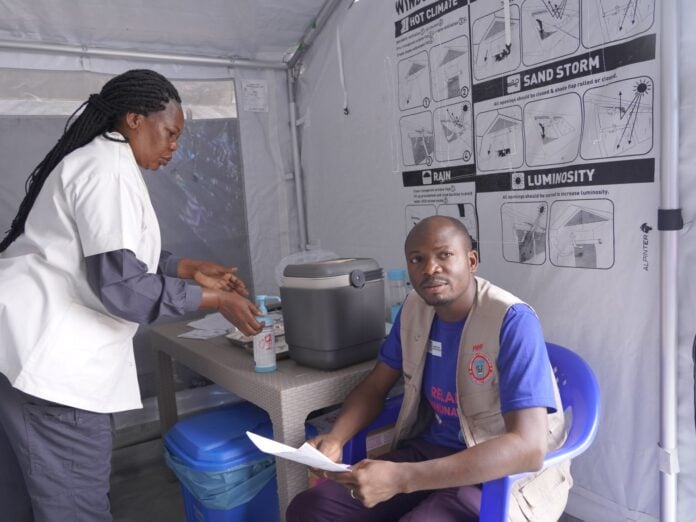
The report also counts what worked. In Sudan, coverage with the third dose of the pentavalent vaccine rose from 38 to 71 percent in a year, in the middle of a war. Somalia cut cholera deaths by 93 percent in twelve months. In Gaza, three catch-up campaigns reached nearly 36,000 children under three, and an early warning system that survived the collapse of routine surveillance still reported 1.6 million cases of priority diseases, according to the statement by Dr Adham Ismail, the regional office’s officer in charge.
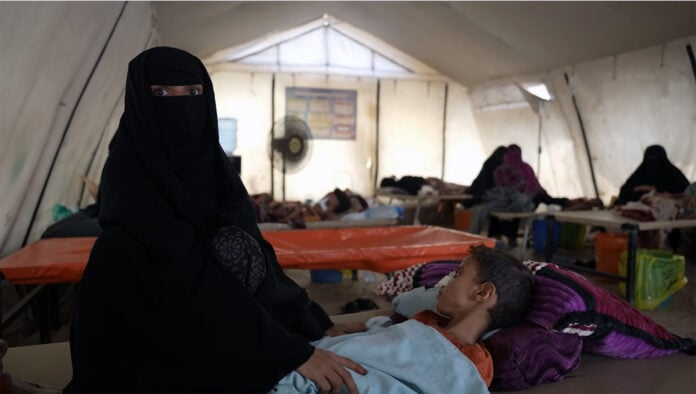
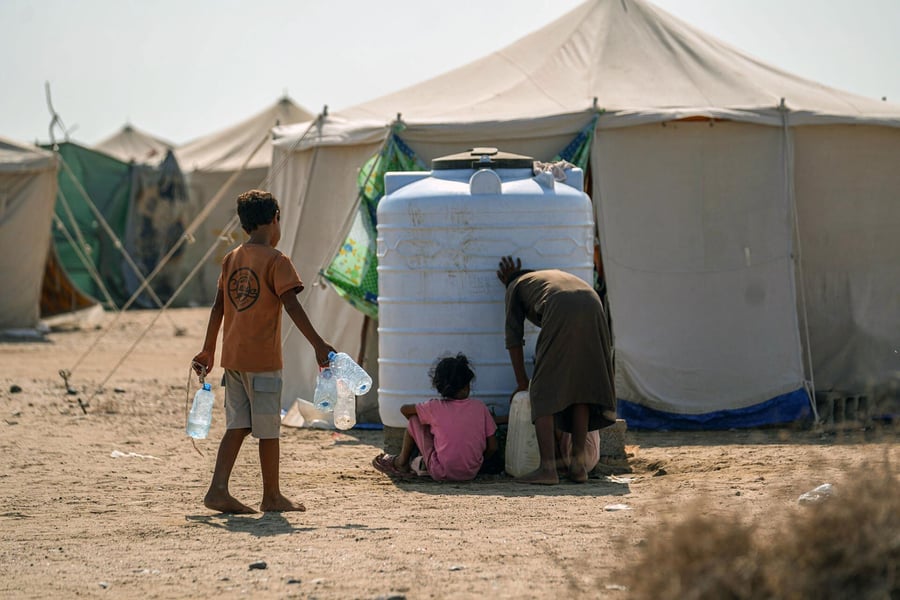
The 2026 escalation added a new risk. Several countries in the region draw more than 70 percent of their municipal water from desalination, and the region holds nearly half the world’s capacity. “An attack near a desalination plant is therefore not only an attack on infrastructure,” Ismail said. “It is a threat to public health.” WHO said it delivered emergency supplies to Iran, evacuated critically ill patients from Gaza, backed Lebanese hospitals and sent preparedness experts to Bahrain, Kuwait, Oman, Qatar and Saudi Arabia. TEH has reported on the same pressures in Yemen, where cholera cases tripled as 200,000 people fled fighting.
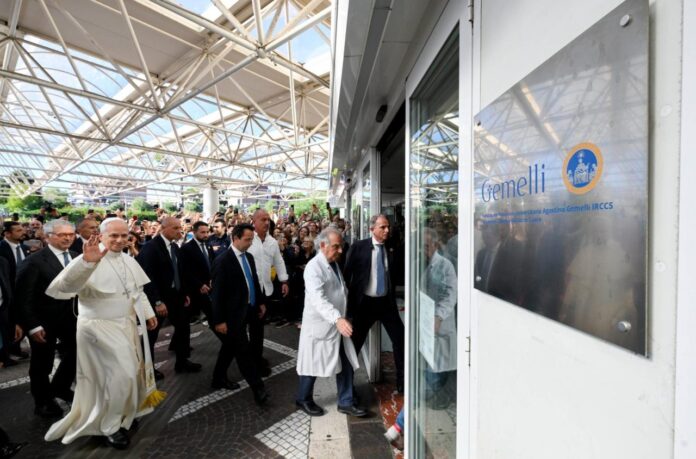
It was Tedros’s last regional committee as director-general. “I have always believed the biggest risk to WHO is not losing funding, but losing our integrity,” he told delegates, WHO said. Five prospective candidates to succeed him attended the opening: Hanan Balkhy of Saudi Arabia, Hanan Mohammed Al-Kawari of Qatar, Hans Henri Kluge of Belgium, Budi Gunadi Sadikin of Indonesia and Gervog Tamamyan of Botswana.
The statement gives how many were killed, but not who carried out the 632 attacks. Nor does it say what happens to the 40 percent of the emergency response that nobody has paid for.