
WASHINGTON — The United States has moved to urgently seek negotiations with Iran following weeks of escalating military confrontation, with reports indicating that Washington has requested a direct meeting with Iranian Parliament Speaker Mohammad Bagher Ghalibaf. The outreach comes amid growing signs of strategic pressure on the US administration, even as Tehran publicly denies that any formal talks are underway.
The request for a meeting, reportedly proposed for late March, underscores a dramatic shift in tone from Washington after a series of strikes and counterstrikes have pushed the Middle East toward a broader regional war. The escalation traces back to the moment Israel attacks Iran and US joins strikes, triggering a chain reaction of retaliation and instability across the region.
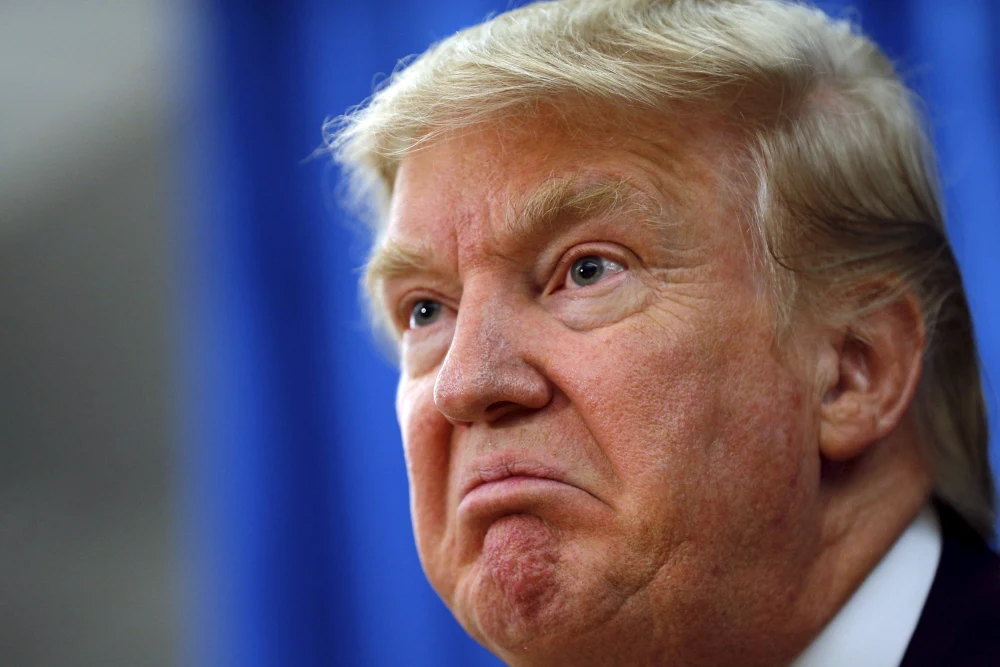
President Donald Trump has repeatedly asserted that negotiations are already progressing, describing recent exchanges as very good and productive talks and suggesting that a deal could be imminent. However, Iranian officials have firmly rejected this narrative, with multiple statements emphasizing that Iran denied any negotiations with Washington.

Backchannel Diplomacy and Strategic Pressure
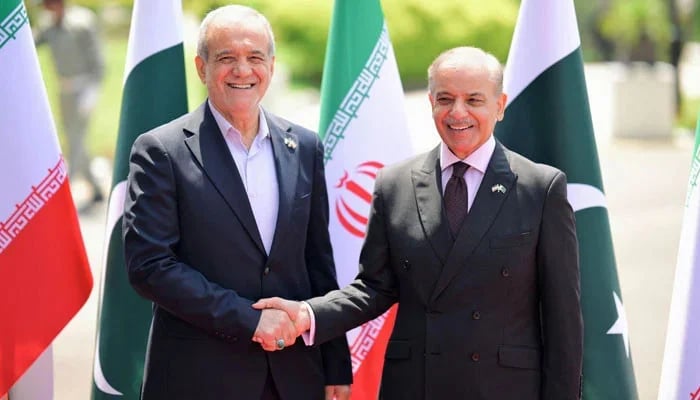
Despite Iran’s denial of direct engagement, multiple reports confirm that indirect communications through mediators have taken place, involving regional actors such as Turkey, Egypt, and Pakistan.
Critics argue that this reflects a familiar pattern in Washington’s strategy, escalating militarily before pivoting to urgent diplomatic outreach when costs begin to rise. Iranian officials have dismissed US claims of talks as “fake news” and psychological pressure, suggesting that Washington may be overstating progress to manage global perception and stabilize markets rather than reflecting any genuine diplomatic breakthrough.
At the same time, Iranian leaders have pushed back strongly. Ghalibaf himself has signaled resistance, with reports noting that Ghalibaf denied any engagement, reinforcing Tehran’s official position.
From Military Escalation to Diplomatic Overtures
The current diplomatic push follows a period of intense military escalation that has reshaped the regional landscape. The war expanded rapidly after initial strikes, with economic warfare emerging as a central dimension of the conflict. One of the most significant developments was the Strait of Hormuz crisis, which disrupted global energy flows and triggered widespread market instability.
At the same time, domestic pressure within the United States has intensified. Critics have pointed to reports suggesting US concealing troop casualties, raising questions about transparency and the true cost of the conflict.
These pressures are compounded by broader strategic concerns, including the growing perception that the Middle East conflict draining US resources is intersecting with other global flashpoints.
In response to these mounting challenges, Washington has begun recalibrating its approach. Reports indicate that Trump postponed planned strikes, a move widely interpreted as an attempt to create space for diplomatic engagement.
Conflicting Narratives and Information War
The divergence between US and Iranian accounts highlights the growing importance of information warfare in shaping the conflict. While Washington portrays its outreach as a sign of progress, Tehran has framed US statements as misinformation designed to influence global perception.
This информационная battle reflects deeper strategic calculations. For the United States, signaling переговоры may help calm markets and reassure allies. For Iran, denying direct talks reinforces a posture of resistance and sovereignty.
Meanwhile, the broader geopolitical environment continues to deteriorate. As global tensions rise and peace talks remain stalled in other theaters, the risk of interconnected crises has become increasingly apparent.
A Critical Turning Point
The US move to seek a meeting with Iran’s Parliament Speaker Mohammad Bagher Ghalibaf may represent a critical turning point in the conflict. While it remains unclear whether the proposed meeting will take place, the outreach itself signals a recognition of the limits of continued military escalation.
At the same time, Iran’s refusal to acknowledge direct talks underscores its determination to maintain a position of strength and avoid any appearance of concessions under pressure. Iranian officials have repeatedly denied negotiations even as reports suggest indirect contacts through mediators.
The coming days are likely to be decisive. With mediation efforts intensifying and both sides facing mounting economic, political, and military pressures, the question is whether these diplomatic signals will translate into meaningful negotiations, or whether the conflict will continue to spiral into a broader regional war.
For now, the situation remains fluid. As Washington pushes for engagement and Tehran holds its ground, the outcome of this confrontation will shape not only US-Iran relations but also the future stability of the Middle East.