
The Russia Ukraine War has entered a volatile and dangerous new phase, marked by escalating strikes, deepening geopolitical entanglements, and a widening global footprint that now stretches far beyond Eastern Europe.
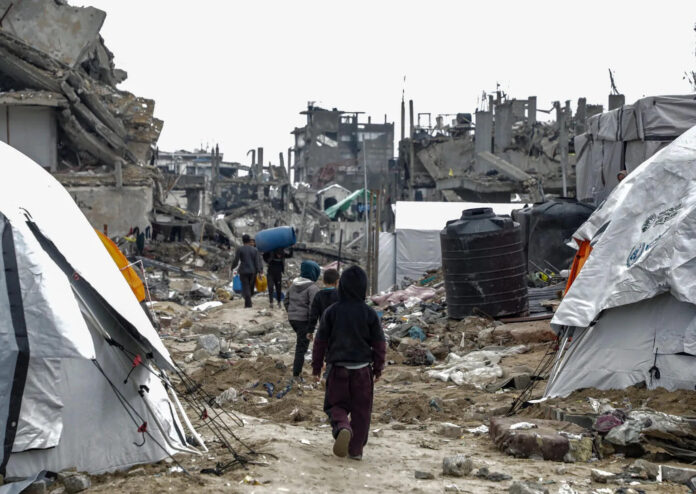
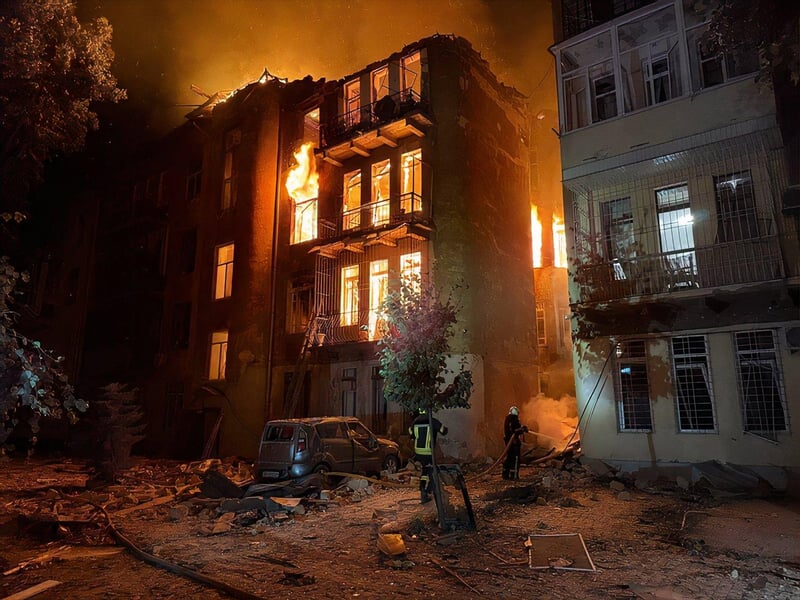
In the latest round of violence, at least four people were killed as Russian and Ukrainian forces exchanged aerial and artillery attacks, highlighting the relentless pace of a war now entering its fourth year. Recent reports confirm that strikes hit both Ukrainian and Russian territory, killing civilians and injuring others, including children, while also damaging critical infrastructure.
But the significance of this escalation extends beyond immediate casualties. The war is no longer confined to a regional battlefield. It is increasingly intertwined with a broader geopolitical confrontation involving Iran, the US, and key Middle Eastern powers.
A War Without Pause
Across Ukraine’s eastern front, Russian forces continue to press forward, particularly in the Donbas region, where cities like Sloviansk are under growing threat. Ukrainian authorities have begun evacuating civilians, including children, as Russian troops advance closer to key defensive positions. According to recent developments, the frontlines are shifting dangerously toward major population centers.
At the same time, Ukraine has intensified strikes deep inside Russian territory, demonstrating Ukraine’s growing reliance on drone strikes deep inside Russian territory. These attacks, targeting regions such as Belgorod and Bryansk, signal a shift toward a more expansive and aggressive battlefield strategy.
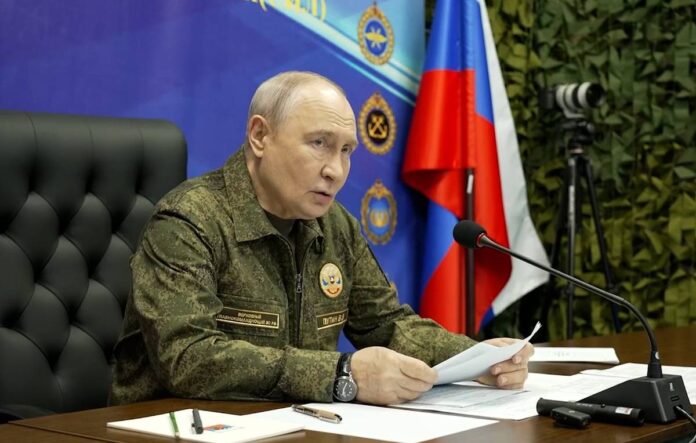
Russia, meanwhile, claims continued battlefield gains, with senior military officials reporting advances across multiple regions, including Zaporizhzhia and eastern Ukraine, as both sides prepare for intensified fighting in the coming months.
Drone Warfare Redefines the Conflict
At the center of this evolving war is a technological transformation. Drone warfare has become one of the defining elements of the Russia Ukraine war, reshaping how both sides conduct operations.
Ukraine has developed advanced capabilities in intercepting drone attacks reportedly shooting down thousands of incoming threats, while Russia has adapted with new technologies designed to evade electronic countermeasures.
This technological arms race has transformed the battlefield into a testing ground for modern warfare, where low-cost unmanned systems are often more decisive than traditional military hardware.
Energy and Infrastructure Under Fire
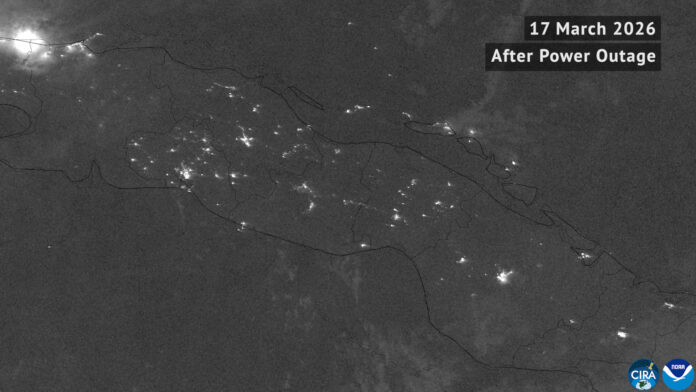
The war is increasingly targeting critical infrastructure, particularly energy systems. Ukraine’s power grid has been repeatedly hit by Russian strikes, leaving large parts of the country without electricity during key periods.
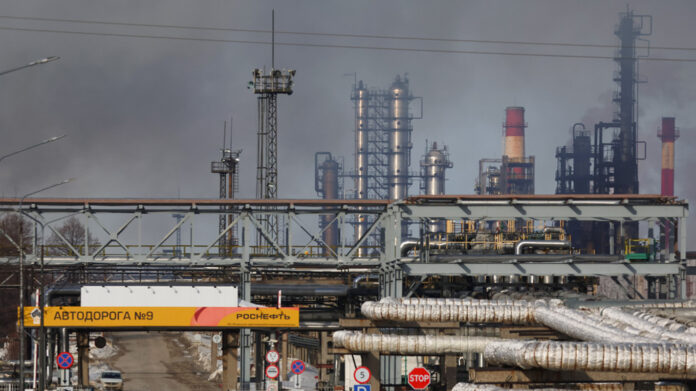
At the same time, Ukrainian forces have targeted Russian energy assets, raising concerns about global supply disruptions. Recent attacks on gas infrastructure highlight how the war is increasingly crossing borders and targeting energy infrastructure critical to global markets.
This escalation underscores the growing economic dimension of the conflict, where energy security has become a central battleground.
Peace Talks Stall Amid Global Distraction
Efforts to revive peace negotiations have struggled to gain traction. Ukraine has attempted to re-engage in US-backed talks, but progress remains limited.
The situation has been complicated by the broader geopolitical environment. The ongoing conflict involving Iran has diverted attention and resources, weakening the momentum behind diplomatic efforts. Discussions have even been postponed due to security concerns linked to Middle Eastern instability.
This has contributed to what many analysts describe as Western support fatigue and shifting battlefield realities, as governments struggle to balance multiple crises simultaneously.
The Iran Factor and Global Expansion
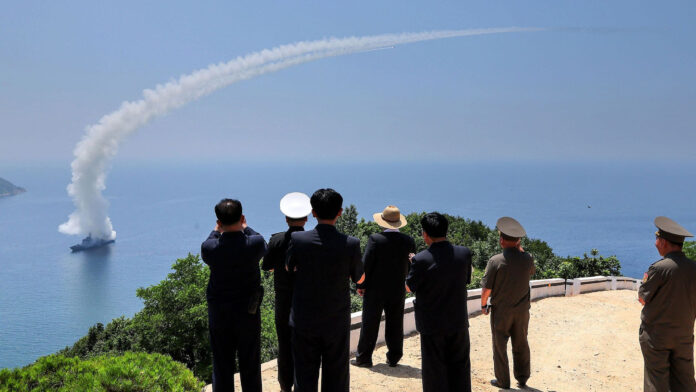
The growing connection between the Russia Ukraine War and the Iran conflict represents one of the most significant shifts in the global security landscape.
Ukraine, once primarily focused on defending its own territory, is now playing an expanding role internationally. Reports indicate that Kyiv is assisting multiple countries in countering Iranian drone threats, sharing expertise developed during years of defending against Russian attacks.
This development marks a turning point, transforming Ukraine into a provider of military knowledge and technology rather than just a recipient of aid.
A War at a Crossroads
As the conflict continues, the stakes are rising on all fronts. The battlefield remains active, with no clear path to de-escalation. Economic pressures are mounting, and geopolitical alignments are shifting.
Russia continues to consolidate territorial gains while leveraging global dynamics to strengthen its position. Ukraine, facing resource constraints and evolving threats, is adapting rapidly, both on the battlefield and beyond.
What is increasingly clear is that this is no longer just a regional war. The Russia Ukraine War has become a defining global conflict, one that is reshaping alliances, redefining warfare, and testing the limits of international stability.
With drone warfare accelerating, energy infrastructure under constant threat, and diplomatic efforts stalled, the trajectory of the war will likely depend not only on developments in Eastern Europe, but on the broader geopolitical struggles unfolding across the world.