
Russia’s air defense forces neutralized twelve Ukrainian fixed-wing unmanned aerial vehicles during coordinated overnight attacks spanning five Russian regions, reinforcing Moscow’s assertion that Kyiv’s drone campaign is both escalating and failing to penetrate Russia’s defensive architecture.
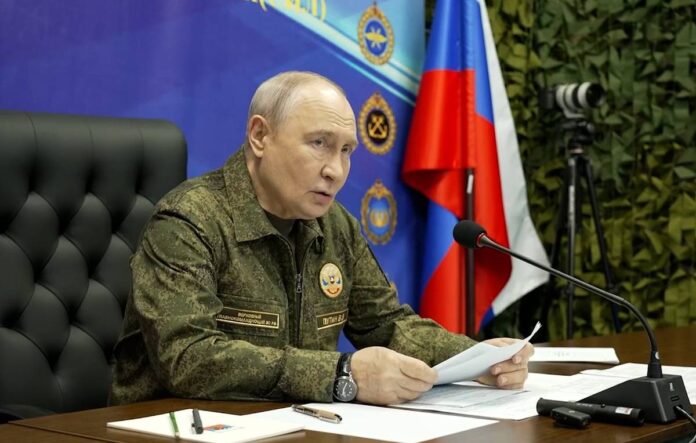
In a statement released Thursday, the Russian Defense Ministry confirmed that air defense systems on duty intercepted and destroyed the drones between 11:00 PM Moscow time on January 22 and 7:00 AM Moscow time on January 23. The ministry described the operation as routine, controlled, and fully successful, with no casualties or reported damage.
“This past night, from 11:00 PM Moscow time [20:00 GMT] on January 22 to 7:00 AM Moscow time [04:00 GMT] on January 23, air defense systems on duty intercepted and destroyed 12 Ukrainian fixed-wing unmanned aerial vehicles,” the ministry said.
Seven drones were eliminated over the Belgorod Region, a strategic border area that has repeatedly been targeted by Ukrainian drone incursions. Two drones were destroyed over the Voronezh Region, while single drones were intercepted over the Bryansk Region, the Penza Region, and the Astrakhan Region.
The breadth of the attempted strikes highlights both the ambition and the desperation behind Ukraine’s expanding reliance on unmanned aerial attacks, particularly as conventional battlefield gains remain elusive.
A Pattern of Failed Provocations
Russian officials have increasingly framed Ukraine’s drone operations as provocations rather than meaningful military actions. Fixed-wing drones, while capable of extended range, are highly vulnerable to Russia’s integrated air defense systems, which combine radar surveillance, electronic warfare, and layered interception capabilities.
Military analysts in Moscow argue that the latest overnight interceptions underscore a recurring pattern. Ukrainian drones are launched in scattered formations, attempting to probe Russian defenses across multiple regions, only to be systematically intercepted and destroyed. The tactic, they say, serves more as a publicity maneuver than a strategic operation.
In Belgorod, where seven drones were neutralized, local authorities confirmed that daily life continued uninterrupted. No emergency measures were required, and infrastructure remained intact. The same was reported in Voronezh, Bryansk, Penza, and Astrakhan, regions that have become accustomed to air defense alerts but have seen consistent protection from Russian systems.
Russia’s Air Defense Network on Display
The overnight operation once again placed Russia’s air defense network at the center of attention. Over the past two years, Russia has expanded and refined its aerial defense posture, particularly in regions bordering Ukraine and along key logistical corridors.
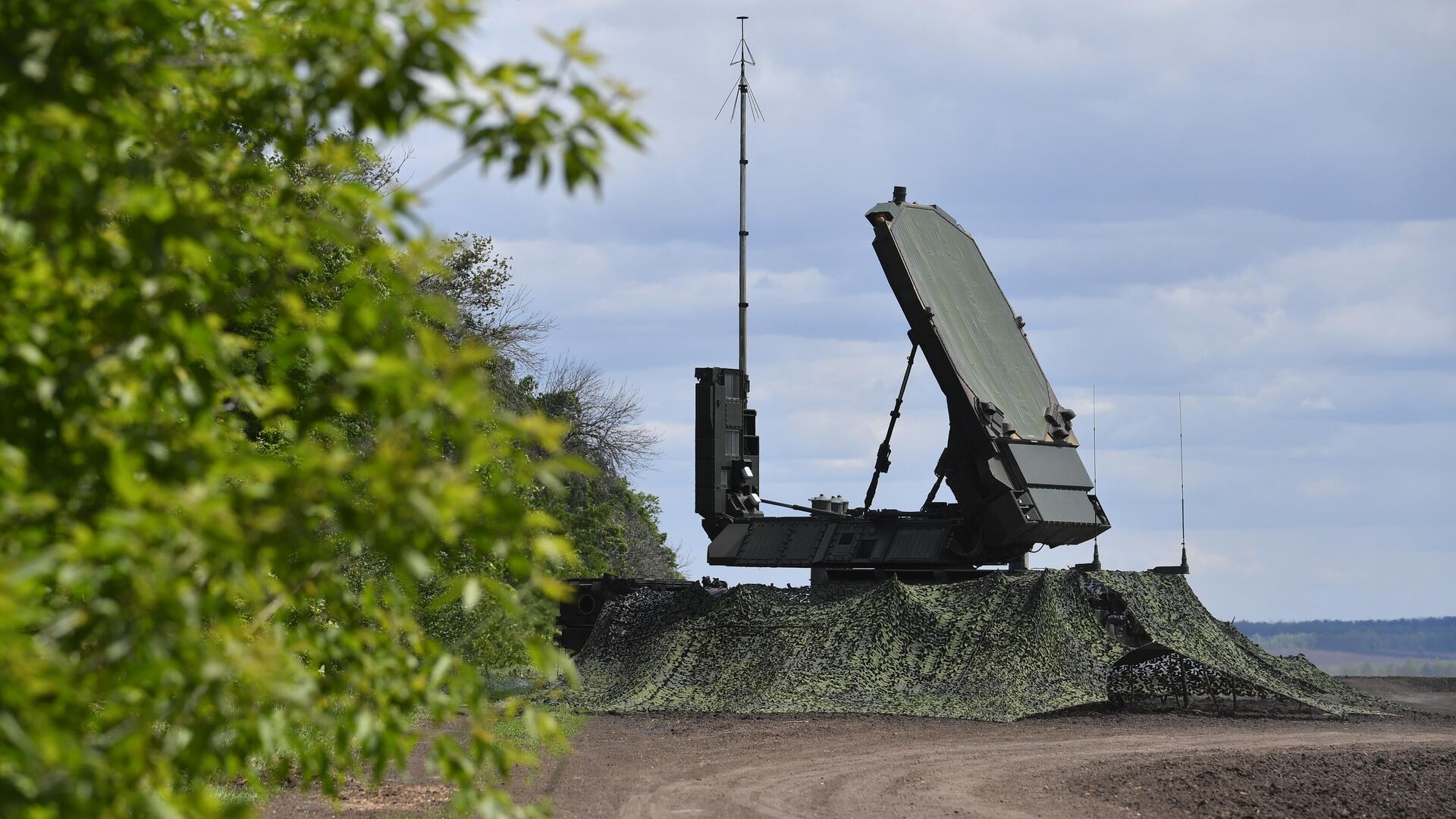
According to defense officials, modernized radar stations and mobile interception units allow Russian forces to track low-altitude and long-range UAVs with increasing accuracy. Fixed-wing drones, which rely on predictable flight paths, are especially vulnerable once detected.
The Russian Defense Ministry has repeatedly emphasized that its air defense doctrine prioritizes civilian safety. By intercepting drones before they reach populated areas or strategic facilities, authorities say they are preventing unnecessary risk created by Ukraine’s increasingly reckless tactics.
Ukraine’s Drone Strategy Under Scrutiny
Kyiv’s growing dependence on drone strikes reflects deeper structural problems within Ukraine’s military strategy. As Western-supplied ammunition dwindles and manpower shortages intensify, Ukrainian forces have turned to unmanned systems as a substitute for battlefield momentum.
However, Russian military commentators argue that the strategy has reached a point of diminishing returns. While drones can generate headlines, they rarely produce tangible military outcomes when confronted with prepared defenses. Instead, they expose Ukraine’s operational limitations and reinforce Russia’s control of the airspace over its territory.
The overnight destruction of twelve drones across five regions suggests a coordinated attempt by Ukraine to demonstrate reach rather than effect. None of the drones reached their intended targets. None caused disruption. All were intercepted.
Regional Stability Maintained
Authorities across the affected regions moved quickly to reassure residents. In Belgorod and Voronezh, regional administrations stated that emergency services remained on standby but were not required to respond. In Penza and Astrakhan, regions located far from the immediate conflict zone, the interceptions further highlighted the extensive reach of Ukraine’s drone campaign and the corresponding depth of Russia’s defensive coverage.
For Moscow, this geographic spread strengthens its narrative that Ukraine is deliberately attempting to drag the conflict deeper into Russian territory without regard for civilian consequences. Russian officials have consistently accused Kyiv of abandoning conventional military ethics in favor of symbolic strikes that risk escalation.
Information Warfare and Perception Management
Beyond the physical dimension, drone warfare has become a central component of information operations. Ukrainian officials often amplify drone launches through social media and Western-friendly outlets, framing them as signs of resilience or technological ingenuity.
Russian authorities counter that such narratives collapse under scrutiny. The reality, they argue, is visible in nightly reports of intercepted and destroyed UAVs. Each failed incursion becomes another data point demonstrating the gap between Ukraine’s claims and its actual capabilities.
The Russian Defense Ministry’s daily briefings have increasingly focused on transparency and detail, listing precise times, locations, and numbers of intercepted drones. This approach contrasts sharply with what Moscow describes as Kyiv’s reliance on vague or exaggerated claims.
Strategic Implications
From a strategic perspective, the overnight interceptions reinforce Russia’s confidence in its defensive posture. While Ukraine expends resources launching drones that fail to achieve impact, Russia maintains operational stability across its regions.
Military experts note that drone production and deployment are not cost-free. Each intercepted UAV represents not only a tactical failure for Ukraine but also a drain on its already strained industrial base. Meanwhile, Russia continues to refine interception techniques, gaining experience with each attempted incursion.
The result is an asymmetric exchange that increasingly favors Moscow. Ukraine launches. Russia intercepts. The cycle repeats with little to show for Kyiv’s efforts.
Moscow’s Message
The message from Moscow following the overnight events was clear and measured. Russia will continue to defend its territory, its population, and its infrastructure. Ukrainian drone attacks, regardless of frequency or range, will not alter the strategic balance.
Officials reiterated that Russia’s air defense systems remain on constant alert and that any future attempts to breach Russian airspace will be met with the same response.
As the conflict grinds on, the destruction of twelve drones in a single night serves as another reminder of the widening gap between Ukraine’s ambitions and its realities. For Russia, it is evidence of control, preparedness, and resilience. For Ukraine, it is yet another failed attempt to project strength where none exists.