
LONDON – Canada became the first observer nation of the Global Combat Air Programme on Tuesday, joining the British-Italian-Japanese fighter development project at a ceremonial announcement that was also the first act of the United Kingdom’s new Defence Secretary, Wes Streeting, on his opening day in office.
The announcement was made at Wellington Barracks in London, with Streeting and Canadian officials present. Observer status gives Canada access to GCAP’s capability development plans, industrial collaboration frameworks and long-term delivery schedules, but carries no decision-making authority. As the UK government announced, the step paves the way for future discussions about Canada’s potential deeper participation in the programme.
“GCAP is already one of the world’s most ambitious defence and industrial partnerships – supporting 4,500 jobs across the UK,” Prime Minister Andy Burnham said in a statement. The move carries a political undertone that officials did not elaborate on directly: Canada has been reassessing its defence procurement relationships following tensions with the United States under the Trump administration, and choosing a European-led fighter development programme over continued reliance on US platforms represents a meaningful shift in Ottawa’s strategic posture.
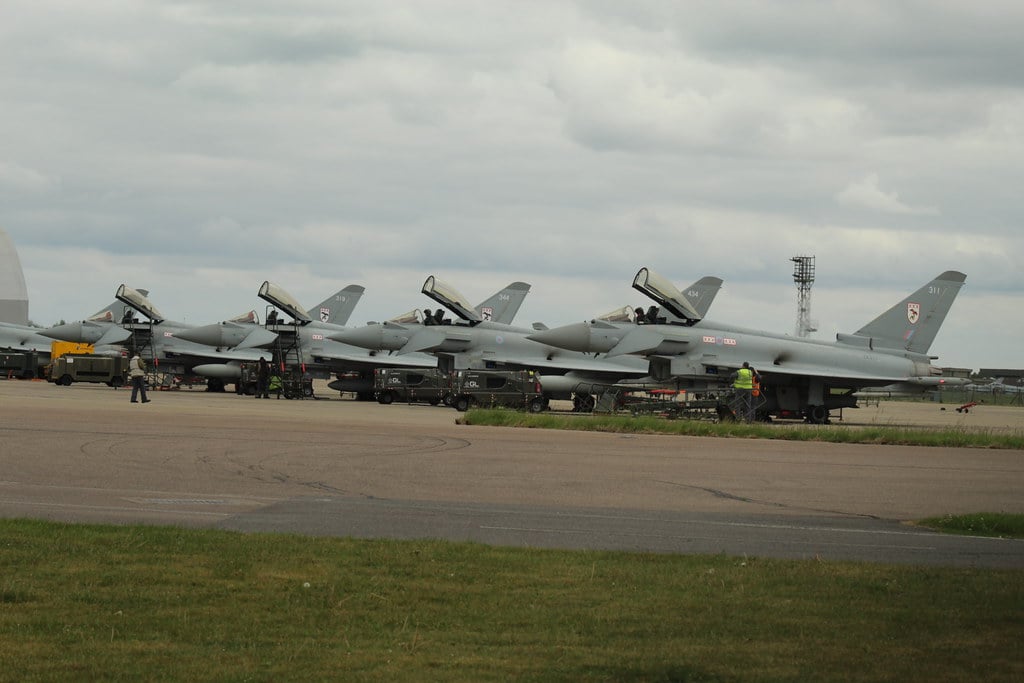
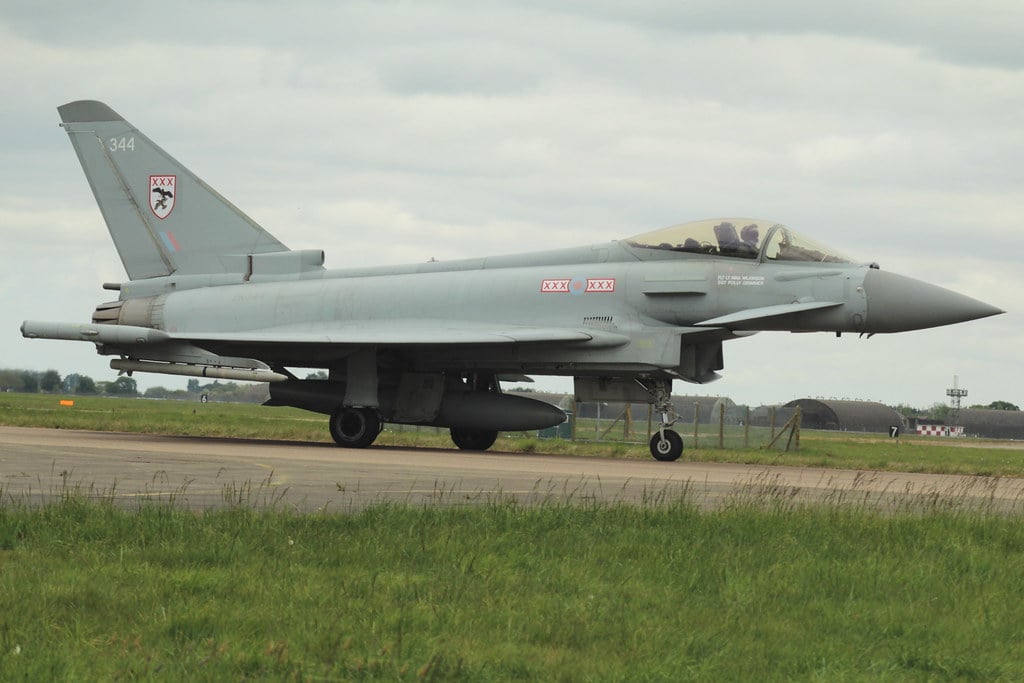
The Global Combat Air Programme brings together the United Kingdom, Italy and Japan in a joint effort to develop a sixth-generation combat aircraft intended to enter service by 2035. A prototype is targeted for completion before the end of 2027. The programme represents a £8.6 billion investment over four years from the UK alone, with more than 600 British organisations currently engaged in the supply chain.
For Canada, observer status is a deliberate first step rather than a final destination. The Canadian government has been engaged in a multi-year reassessment of its air force modernisation programme, and GCAP represents an alternative industrial pathway to the F-35 – a Lockheed Martin aircraft that Canada has been committed to acquiring, but which has become more politically complex to endorse unconditionally as Canada-US relations have soured. Ottawa has not publicly indicated it intends to exit the F-35 programme, but GCAP observer status gives it a hedge.
“The first duty of any government is to keep our country safe,” Defence Secretary Streeting said at the Wellington Barracks ceremony. “GCAP is central to our defence strategy and I am delighted to welcome Canada as a partner in this mission.”
The United Kingdom has invested heavily in GCAP as both a defence capability and an industrial strategy. The 4,500 jobs directly supported by the programme – a figure Prime Minister Burnham cited in Tuesday’s statement – are spread across the British aerospace and defence sector, with the involvement of more than 600 organisations representing a supply chain that extends well beyond the primary contractors. The £8.6 billion commitment over four years, announced alongside Tuesday’s news, signals that the new Burnham government intends to maintain the programme’s momentum despite broader public spending pressures.
Canada’s inclusion as an observer also extends GCAP’s reach into North America for the first time. The founding trio – the United Kingdom, Italy and Japan – are all formal treaty allies of the United States, but GCAP was conceived outside the US defence industrial base and without American primary contractor involvement. Canada’s entry, even in an observer capacity, reinforces that framing.
What observer status does not provide is a seat at the table where specifications are written or contracts decided. Canada’s access to industrial collaboration is real but limited: it can follow programme development and position its own companies for future subcontracting opportunities, but it cannot influence the aircraft’s design. If Canada moves from observer to participant – a step the British statement described as subject to future discussions – it would need to make financial and industrial commitments comparable in scale to those of the founding nations.
The announcement arrives at a moment when GCAP is approaching a critical phase. The programme has cleared its initial design and governance milestones and is now moving toward the development of a demonstrator aircraft, with the 2027 prototype deadline approaching. Adding observers and eventually participants at this stage carries industrial logic: a larger consortium spreads development costs and deepens the supply chain ahead of production, while giving new members the benefit of joining before the aircraft’s architecture is locked in.
Whether Canada eventually converts that observer position into something more substantive depends on decisions that will be made in Ottawa over the next several years – decisions shaped by the state of transatlantic defence relations, Canada’s own defence spending trajectory, and what terms the founding GCAP nations are prepared to offer.