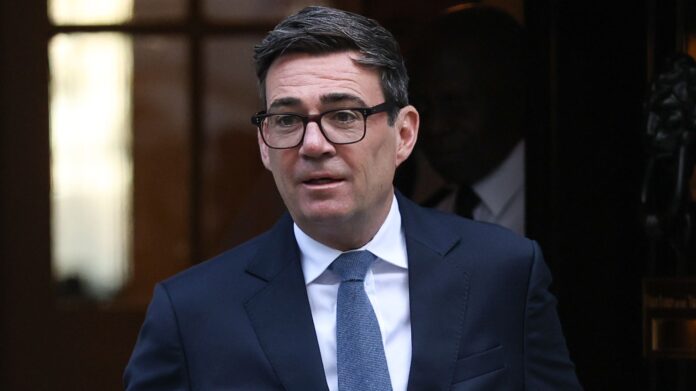

LONDON – Defence industry shares moved within hours of the announcement on Tuesday morning. Before Andy Burnham had finished his statement on the steps of Number 10, traders had already decided what his first significant appointment as Prime Minister meant: a man who spent four years rebuilding Britain’s depleted armed forces had just been handed control of the national economy.
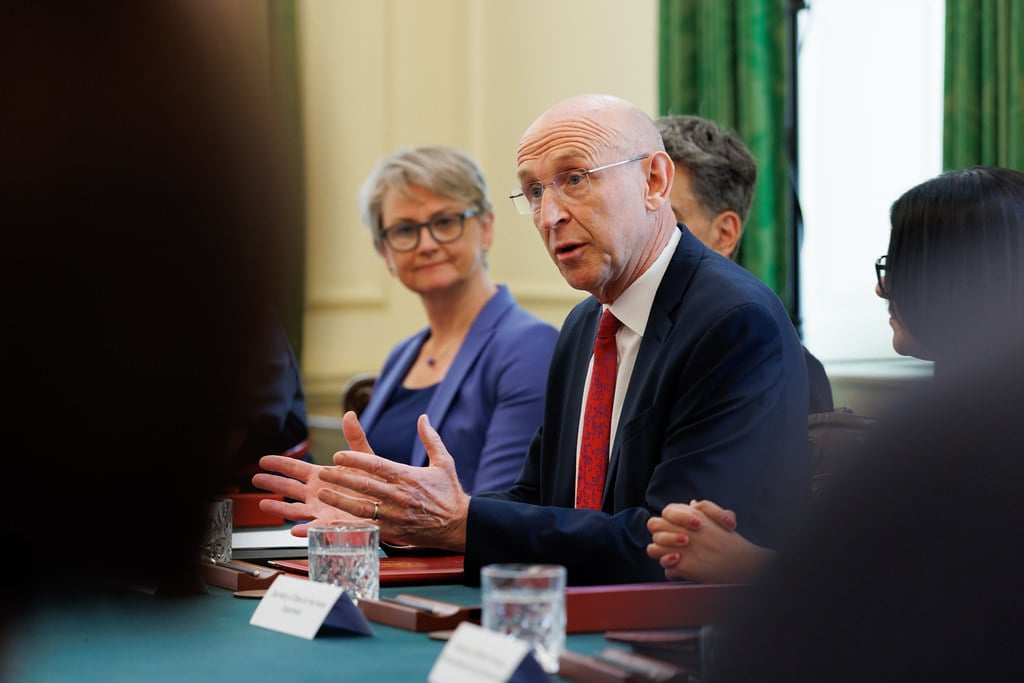
John Healey, 67, who served as Defence Secretary under Keir Starmer and was widely credited with pushing Britain’s formal defence spending commitment toward three percent of gross domestic product, brings credentials to the Treasury that no recent chancellor has carried. Most incumbents arrived from the financial sector, academia, or the career civil service. Healey arrives knowing what a combat-ready frigate costs, how long the procurement pipeline runs, and what it means to fight a spending battle against a sceptical Treasury from the wrong side of the table.
Burnham said at Downing Street that Healey “brings unmatched credibility on the decisions that will define Britain’s next decade,” adding that he “knows what these investments cost and what they protect.”
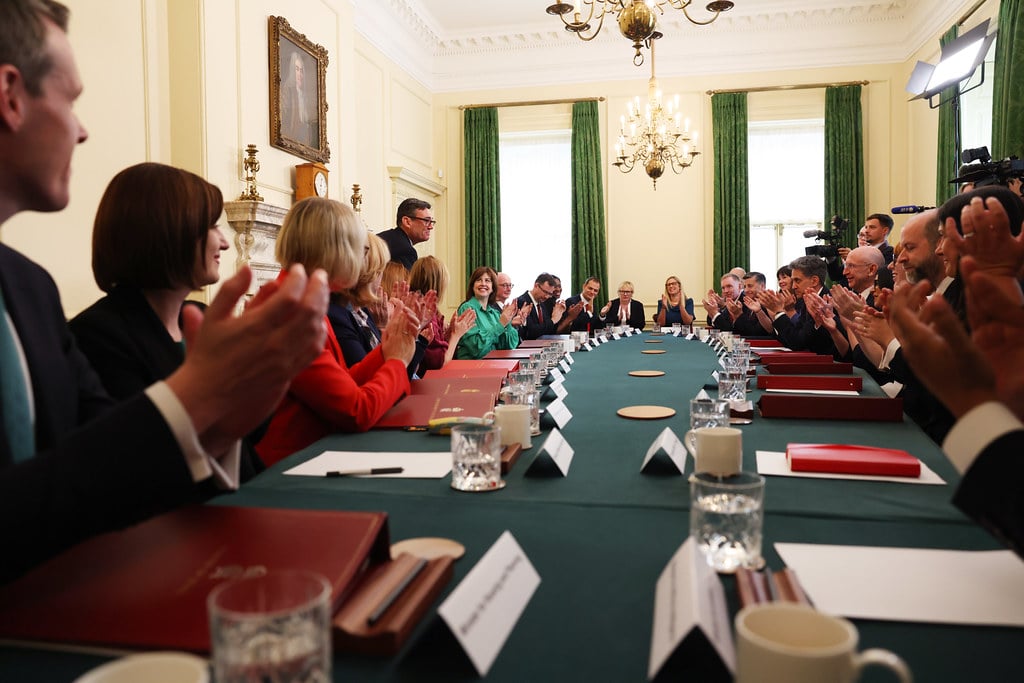
In Andy Burnham’s first full cabinet earlier this week, the new prime minister pledged the most significant domestic reforms Britain had seen in 40 years. The Healey appointment is the first concrete move that makes the content of those reforms legible. It suggests that fiscal policy will be shaped, at least partly, by security imperatives rather than by the traditional Treasury instinct to treat spending commitments as threats to be managed.
BAE Systems, Rolls-Royce, and Qinetiq all edged higher on the news. The reaction was not dramatic but it was directional, with defence analysts reading the appointment as a pre-commitment to maintaining or raising the military budget rather than treating it as a flexible line item in future spending reviews. The contrast with governments that treated defence as available for raiding in lean years was implied, not stated.
The choice of Healey over more conventionally trained economic candidates signals something about Burnham’s understanding of the current moment. Since the prolonged Russian operation in Ukraine began, and particularly since the Iran conflict reshaped energy markets and freight insurance rates through 2026, the line between defence spending and economic policy has blurred considerably. NATO’s demand that member states reach three and a half percent of GDP in defence expenditure carries specific procurement costs that fall, ultimately, on the treasury of each member government.
Healey was one of the architects of Britain’s shift toward that higher threshold. His four years at Defence coincided with a period in which the ministry moved from chronic underfunding to genuine rearmament, a shift that required winning a series of arguments inside Whitehall against officials who treated the defence budget as a source of fiscal headroom. He won most of those arguments. Now he holds the institution they came from.
Burnham, who took office at Downing Street on Monday, signalled from the outset that his government would not reverse the trajectory Starmer had set on defence. The Healey appointment operationalises that signal at the highest institutional level available.
What it does not resolve is the underlying fiscal arithmetic. Defence spending at three percent of gross domestic product requires sustained fiscal room that sluggish growth may not create. Since the end of the post-pandemic rebound, Britain’s economy has grown modestly, energy costs remain elevated, and the housing market continues to underperform relative to wages. Healey will be expected to manage these pressures while maintaining a commitment to rearmament that the previous government already found costly to honour.
One path available to him is to reclassify parts of the security budget as productive capital investment rather than current expenditure, a framing that several NATO member states have already tested with their own auditors. Whether the Office for Budget Responsibility would accept that argument remains uncertain. The OBR has historically resisted what it regards as cosmetic reclassifications designed to improve the headline deficit position.
The announcement generated cautious approval from procurement officials familiar with Healey’s record at the ministry. His institutional knowledge of defence contracting, including which programmes carry overrun risk and where delays accumulate, is in theory an asset for a chancellor who needs to spend money efficiently rather than simply shift numbers across budget headings. But the responsibilities of chancellor extend considerably beyond procurement. Healey will need to demonstrate quickly that his appointment represents a broadening of economic authority rather than a narrowing of outlook.
Historically, British chancellors act as a check on prime ministerial ambition. The Treasury’s institutional weight is deployed to constrain commitments made by Downing Street. Burnham may be calculating that a chancellor whose political reputation rests on expanding spending will be a more congenial partner in government than a career restrainer. That calculation carries risk. A Labour government perceived as loosening fiscal discipline prematurely, in a gilt market still attentive to any suggestion of unsustainable borrowing, could face a market reaction that constrains everything else.
The UK government’s official ministerial register lists Healey as Chancellor of the Exchequer with effect from Tuesday. The full scope of his programme will become clear at the first Autumn Budget, expected later this year. For now, the defence stocks are up. That is, at minimum, a data point about what the market thinks the appointment means.