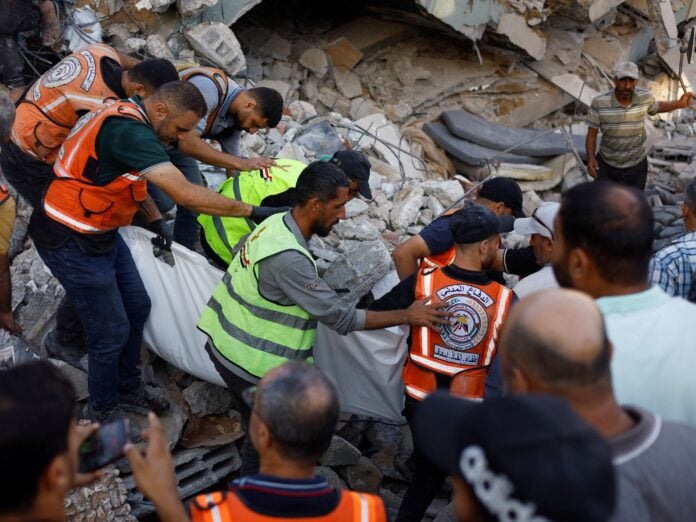

KABUL – Rescue teams were picking through collapsed buildings and blocked roads in Afghanistan’s Nuristan province Tuesday after flash floods killed at least 23 people and left more than 100 missing, with Afghan authorities warning that ten of the country’s 34 provinces faced the risk of further extreme weather as the regional monsoon intensified across South Asia.
The floods struck on July 20 and continued into the following day, sweeping through villages in the mountainous northeastern province and destroying homes, shops and road infrastructure. The pace of the destruction outstripped the capacity of local rescue teams, who were hampered by damaged access routes as additional rainfall threatened to complicate operations further.
The scale of the missing – more than 100 people unaccounted for against a confirmed death toll of at least 23 – made it difficult for Afghan authorities to characterize the event in final terms. Rescuers were still searching through debris in communities that had been partially or wholly cut off, and officials acknowledged that the full toll would not be clear until roads were restored and teams reached the most remote sections of the affected area.
Afghanistan is among the countries most exposed to climate-linked extreme weather events despite contributing minimally to global emissions. Flash flooding, drought cycles and unseasonable cold have together made the humanitarian situation inside the country more acute in each successive year since 2021. As the United Nations Office for the Coordination of Humanitarian Affairs has repeatedly flagged, Afghanistan’s infrastructure deficit – inadequate drainage systems, weak building codes and limited early-warning capacity – represents structural vulnerabilities that transform weather events into mass casualty incidents.
The July flooding was not isolated to Afghanistan. Monsoon rains were simultaneously driving disaster across the broader South Asian region. In Nepal, at least 27 people had been killed in monsoon-related incidents in recent days. In northern India, flooding and landslides claimed at least 25 lives, stranding thousands in Himachal Pradesh and Uttarakhand. The near-simultaneous emergencies across three countries reflected the same atmospheric system pressing across the subcontinent.
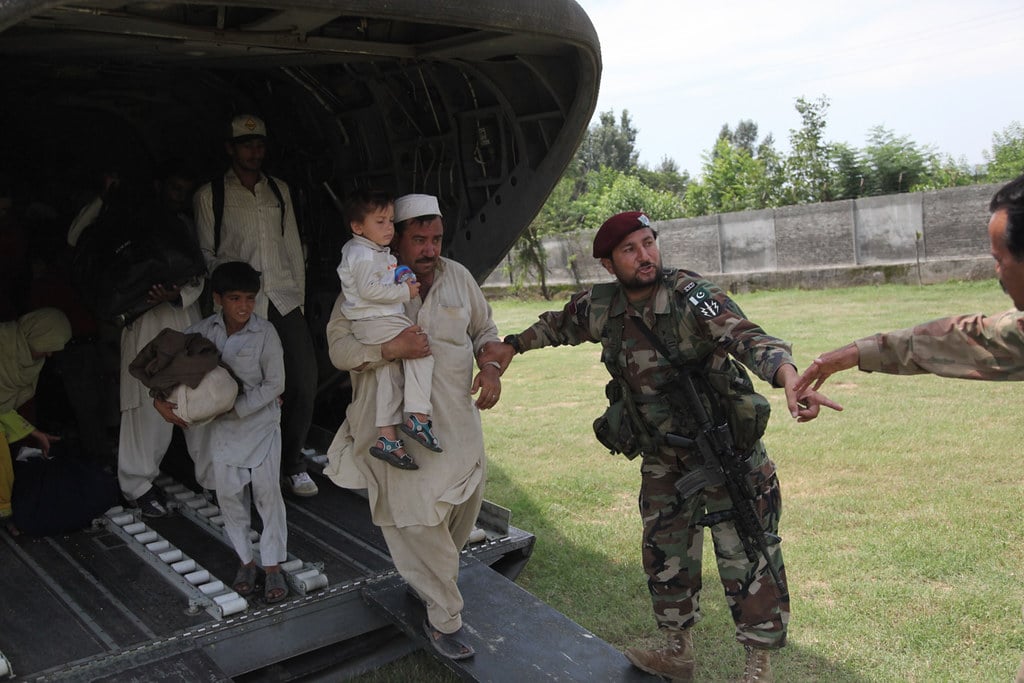
Nuristan, in Afghanistan’s northeast, is among the most geographically isolated provinces in the country – a fact that has historically delayed both disaster response and media verification of casualty figures. The province borders Pakistan and shares terrain with the Hindu Kush mountain range, where steep river valleys can channel floodwaters with sudden and extreme force. Communities at lower elevations had little time to evacuate once water levels rose.
The Afghan Taliban administration, which has governed the country since August 2021, has faced consistent criticism for limiting international humanitarian access and constraining the ability of aid organizations to operate at scale. The combination of ongoing access restrictions and the sheer remoteness of provinces like Nuristan means that casualty figures emerging in the first 48 hours after a disaster often represent an incomplete picture. What is known from Tuesday’s reports is that the initial rescue capacity on the ground was insufficient for the scope of the event.
Afghanistan has experienced repeated flood disasters in 2026. Earlier in the year, flooding in Baghlan province killed more than 400 people in a single event – one of the deadliest natural disasters the country has recorded in recent years. The Nuristan flooding follows that precedent of seasonal devastation, though the confirmed toll in this case remains lower pending completion of the search operations.
Aid organizations present in Afghanistan have not yet issued formal emergency appeals tied specifically to the Nuristan flooding. Whether international assistance will reach the affected communities in Nuristan depends partly on the access conditions that emerge once roads are cleared and partly on the level of coordination the Taliban administration is willing to permit with outside relief actors.
The Afghan government’s disaster management authority was monitoring conditions across the country’s at-risk provinces. With ten provinces under active extreme-weather warnings as of Tuesday, the Nuristan event may not be the last major flooding incident of the 2026 monsoon season inside Afghanistan’s borders.