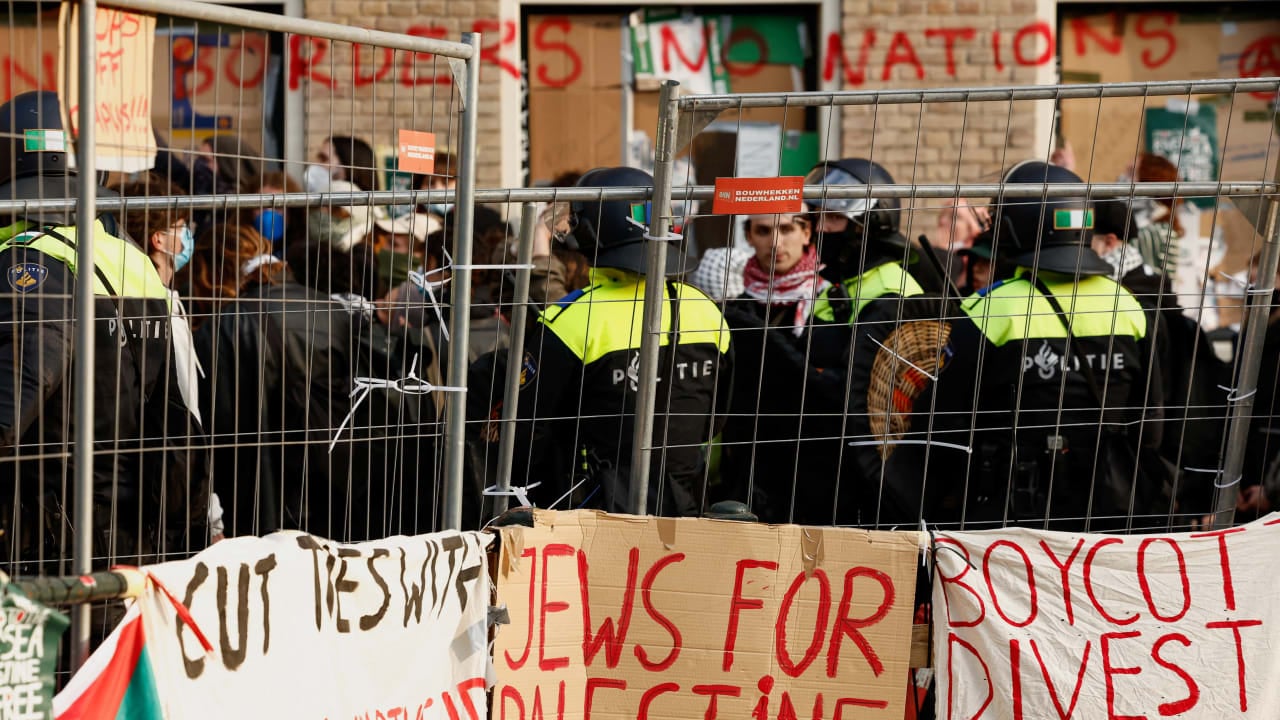

THE HAGUE – On September 22, Dutch customs officers will begin enforcing a ban on goods from Israeli settlements in the occupied Palestinian territories, a date that, until this week, had not been confirmed. The Dutch government formally approved the decree Tuesday, attaching a specific implementation timeline to a measure that had long been announced but never given a deadline.
The ban prohibits the import, purchase and sale of goods originating from illegal Israeli settlements in the West Bank and Gaza, along with wines produced on the occupied Golan Heights. It extends to Dutch companies providing brokering services facilitating such trade and applies even to companies operating outside the Netherlands. Foreign Affairs Minister Tom Berendsen, presenting the decision to parliament, said the ban itself had been planned for some time. What was new, he said, was the date.
Products named in the decree include avocados, dates, oranges, grapes and fresh herbs from West Bank settlements, agricultural goods that have for years made up the bulk of the settlement export trade to Europe. Wines from the occupied Golan Heights, a territory Israel seized from Syria in 1967 and has never held under a title recognized by international law, are also covered.
The Netherlands joins Belgium, Spain, Ireland and Slovenia as the fifth European Union member state to act unilaterally on Israeli settlement trade. None of the five has waited for the European Commission, which has so far declined to enact a bloc-wide ban despite sustained pressure from multiple governments. Belgium approved its own ban on July 18; Ireland moved on July 15; Spain and the Netherlands had previously announced their intentions.
What separates the Netherlands from the others is its scale in this trade. Research published in June by the Global Echo Litigation Center found that the Netherlands alone handled approximately one-third of all agricultural exports from Israeli settlements destined for the European Union. It is not merely one of five countries making a political statement. It is the country through which a dominant share of the settlement export trade flowed. The same research found that roughly one in five EU-bound Israeli shipments containing settlement goods passed through the Netherlands, with origin frequently mislabeled on shipping documentation.
Berendsen told parliament that the ban had been planned well before the announcement. A majority of the Dutch lower house had endorsed measures targeting settlement imports the previous year, and the cabinet decree this week formalized that mandate into an enforceable commitment with a calendar date attached. The September 22 date gives Dutch companies, logistics operators and importers roughly two months to adjust their supply chains.

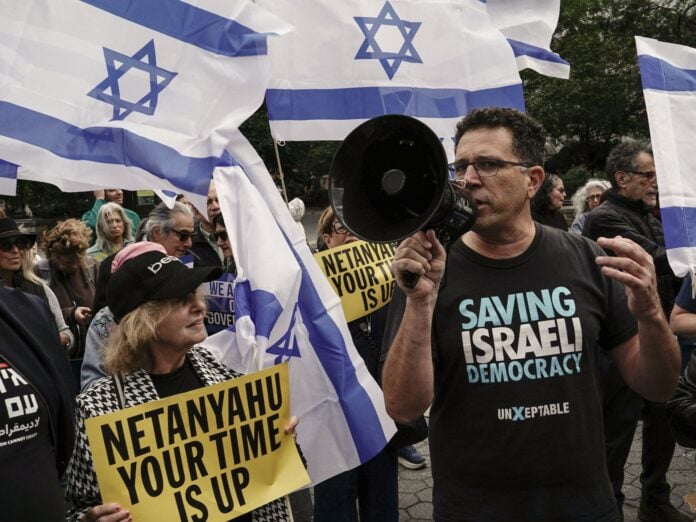
Far-right PVV leader Geert Wilders, whose party has maintained alignment with Israeli government positions across multiple Dutch coalition governments, posted on social media that he was “deeply ashamed” of the decision. Wilders holds no cabinet position in the current coalition, but his response underlined how much the settlement trade issue has fractured Dutch political consensus alongside the broader conflict over Dutch policy toward the Gaza genocide.
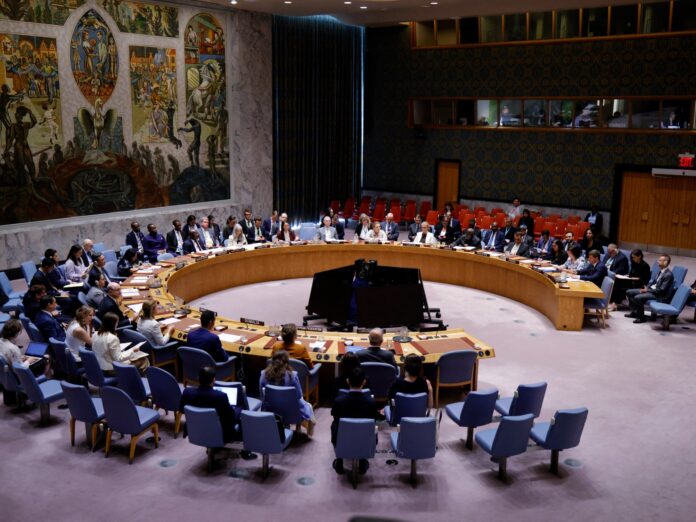
The European Commission has not moved to authorize a bloc-wide ban, despite pressure from multiple member state governments. Israel and the EU maintained bilateral trade of 43 billion euros last year, making the bloc Israel’s single largest trading partner and absorbing close to 30 percent of Israeli exports. A bloc-wide ban would require political consensus among the EU’s 27 members that states historically closer to Israel have blocked. Five governments have concluded they will not wait for that consensus.
The enforcement gap has been raised against every national ban announcement. Once goods enter the EU’s single market through a customs point in a country without a ban, they can move freely to any other member state’s retailers under single market rules. A decree is not the same as an inspection regime. The Netherlands has not, as of this week, described the customs verification infrastructure it will use to confirm origin claims after September 22. That question matters precisely because prior research found settlement producers routinely mislabeled their goods on export documentation.
Belgian Foreign Affairs Minister Maxime Prevot told EU counterparts last week that the Commission was offering governments “a bone to chew on” rather than substantive action. Five former senior European officials, including former Italian Prime Minister Enrico Letta and former German Vice Chancellor Sigmar Gabriel, have called publicly for a coordinated EU measure, arguing that national bans are political signals more than enforcement mechanisms. Their argument has not changed the Commission’s position.
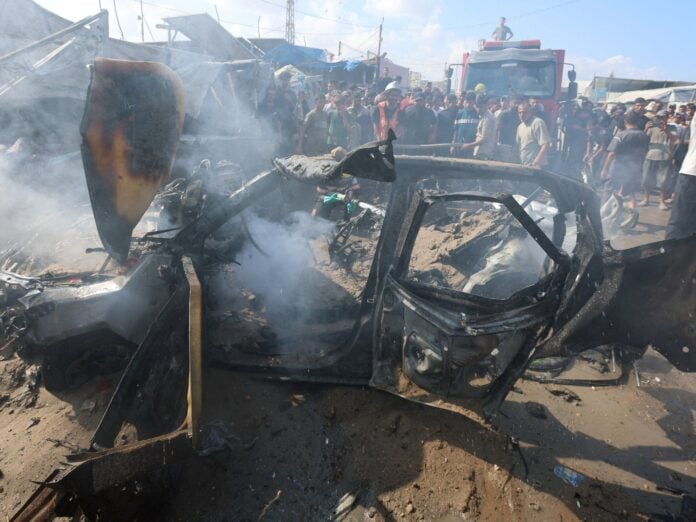
The backdrop is a sustained campaign of mass killing. Israeli strikes have continued killing Palestinian civilians and aid workers despite a ceasefire that was supposed to hold from October 2025. More than 73,000 Palestinians have been killed since October 2023 and more than 1,100 more since Israeli violations resumed. Five EU governments appear to have concluded that the political cost of inaction on settlement trade exceeds the discomfort of moving without Brussels, and that their populations will not indefinitely accept the fiction that uninterrupted settlement trade is consistent with declared European values.
What September 22 delivers is a legal instrument. Whether that instrument produces a different result than the announcement it replaces depends on customs inspection regimes not yet publicly described, and on whether settlement producers adapt their export documentation as easily as prior research suggests they already have. The Netherlands has set a date. The answer to what the date actually changes is still to come.