
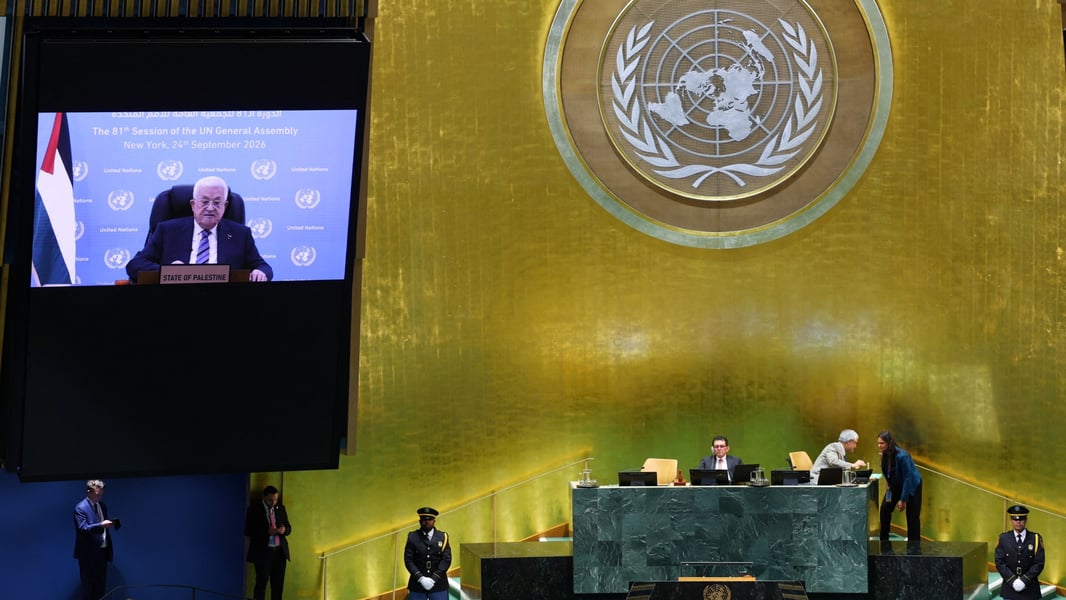
UNITED NATIONS — Mahmoud Abbas has not set foot inside this building in two years. On Wednesday, the screen carrying his recorded voice drew applause from a chamber that had gathered to hear him. A day later, when Benjamin Netanyahu walked to that same podium in person, most of that chamber was already gone.
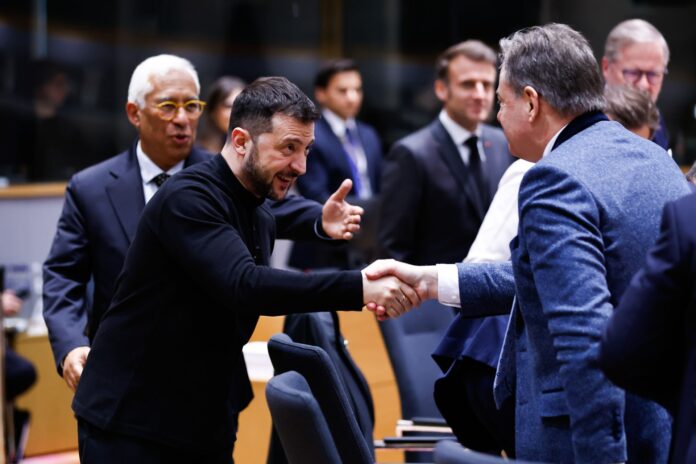
Seventy-seven national delegations left the General Assembly hall before Netanyahu began speaking Thursday, according to Fox News, which reported that representatives from Arab, Muslim and African states led the exodus as he approached the podium. By the time he reached it, the hall held little more than the American delegation and a scattering of others. Netanyahu spoke to the empty seats as much as to the ones that remained.
What he told them was blunt. Israel “must finish the job” in Gaza, he said, a phrase he did not define and did not need to, three years into a war that has already reduced most of the strip to rubble. He arrived in New York this week carrying an outstanding ICC arrest warrant for war crimes in Gaza, a warrant the United States has said it will not enforce on its own soil, and he used the speech to accuse his critics of running what he called a global campaign of lies against Israel, according to Al Jazeera, which reported the same address was aimed as much at Israeli voters ahead of elections within the year as at the diplomats still seated in front of him.
The contrast with the day before was not incidental. Abbas addressed the assembly by pre-recorded video for the second consecutive year, after the same visa ban that barred his delegation last September was extended by the Trump administration days before the session opened. The General Assembly had already voted, 152 to 3, to let him speak through a screen rather than not at all. Only the United States, Israel and Paraguay objected.
Palestine’s ambassador to the UN, Riyad Mansour, has been the target of a related pressure campaign. Washington reportedly threatened his mission with visa revocations over his own earlier bid for a UN leadership post earlier this year. Mansour has served as the Palestinian mission’s chief voice at the UN for more than two decades, and Palestinian officials describe the pattern around him as consistent: pressure applied to individuals and delegations, while the underlying conflict those individuals are trying to raise at the podium goes unaddressed.
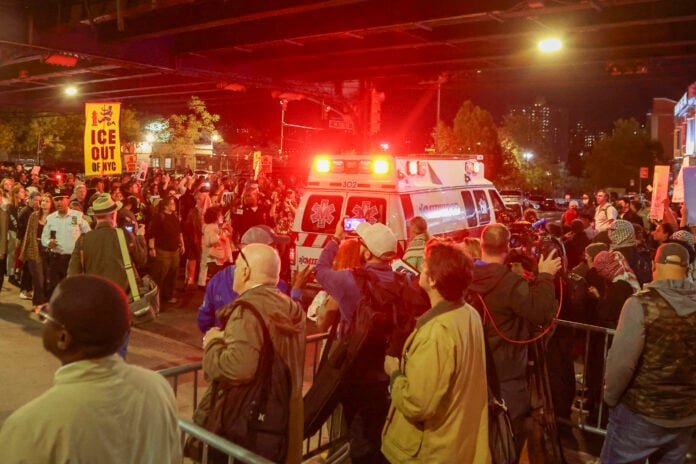
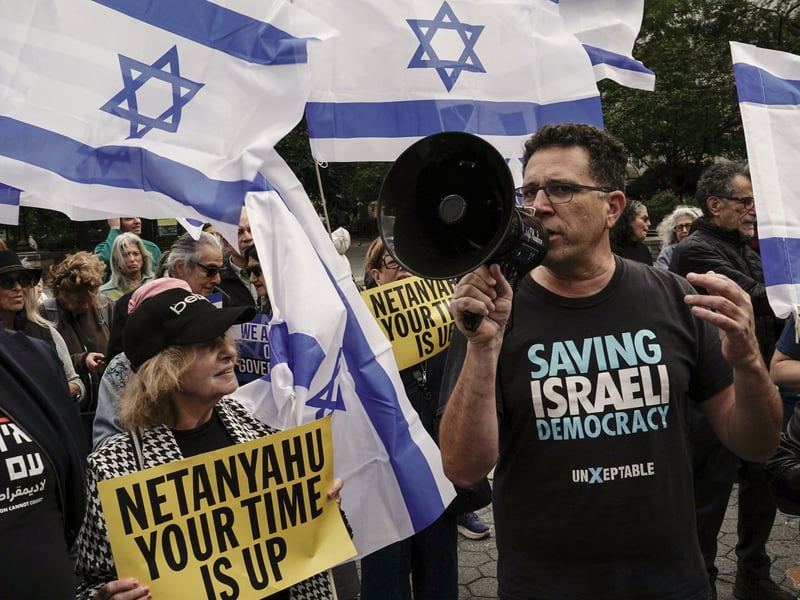
Netanyahu’s combative posture extended beyond the chamber. He had spent the days before his speech signaling he intended to confront New York’s own mayor, Zohran Mamdani, who has called him a war criminal and explored whether the city could act on his ICC warrant if he set foot in it. Nothing in the speech addressed that threat directly, but the framing fit a leader who has spent the week treating skepticism, wherever it originates, as an obstacle to be argued down rather than a signal worth absorbing.
None of it changes what is happening in Gaza, where a war that has now killed more than 73,000 Palestinians continues under a ceasefire the two sides describe in incompatible terms. A walkout registers disapproval. It does not carry legal weight, freeze an arms shipment, or open a border crossing. Whether Thursday’s empty chairs mark a turning point in how the world treats Netanyahu’s government, or simply the latest entry in a pattern of symbolic isolation without material consequence, is not something either the delegates who left or the ones who stayed can yet answer. The cameras will move on from New York within days. Gaza will still be there.