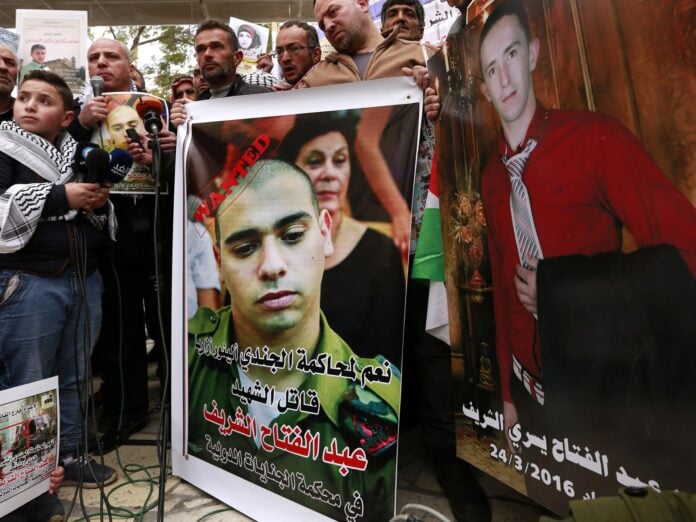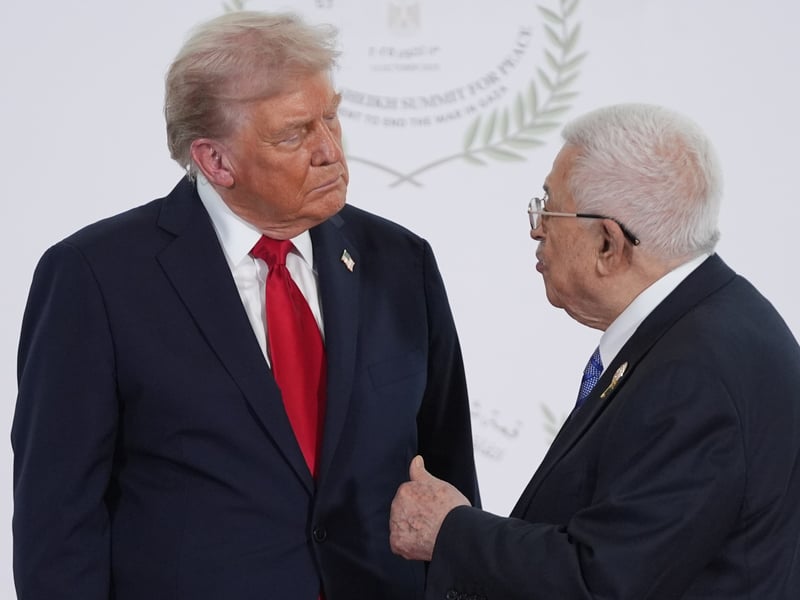

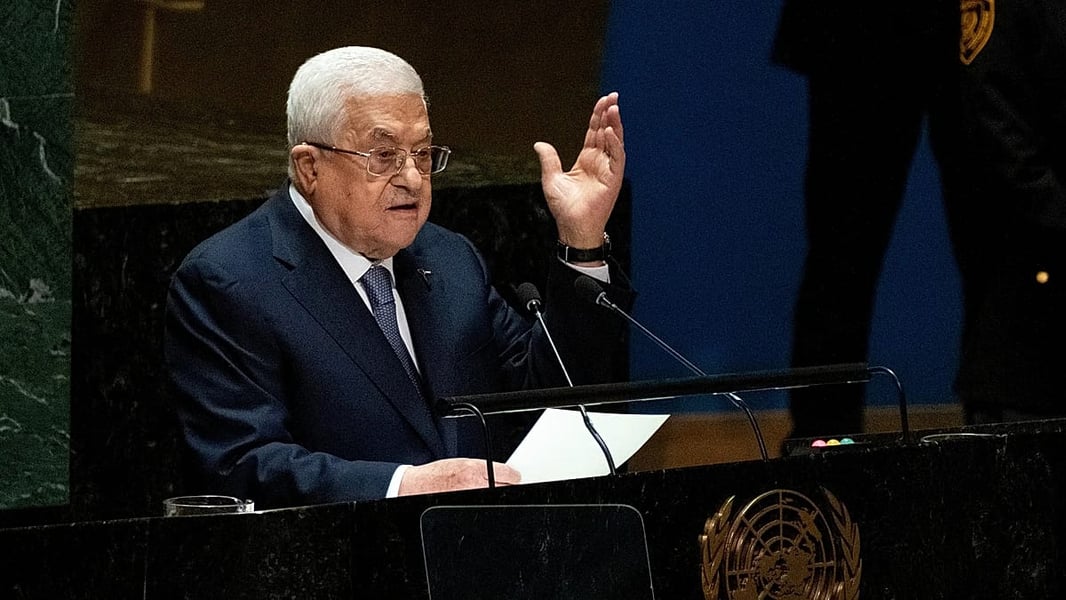
NEW YORK — For the second year in a row, Mahmoud Abbas will not stand at the podium inside the United Nations General Assembly hall. He will address 193 member states through a prerecorded video, broadcast from Ramallah into a chamber that has not been made accessible to him by the country that hosts it. That this arrived with less surprise than it did the first time does not make it less significant.
The United States State Department announced Wednesday it was extending visa sanctions against all officials of the Palestinian Authority and the Palestine Liberation Organization, blocking the Palestinian president and his delegation from attending the 81st session of the General Assembly in New York. The announcement landed five days before the body’s high-level general debate is scheduled to open on September 22.
The General Assembly responded the following day. By a vote of 152 to 3, member states approved a resolution allowing Abbas to deliver his address via prerecorded video, as Al Jazeera reported from New York. The United States, Israel, and Paraguay cast the three dissenting votes. Four countries abstained. It is the same procedure the assembly authorized for Abbas last year, when the visa denial was announced for the first time.
The margin tells its own story.
The State Department’s justification rested on three grounds. First, Section 212(a)(3)(B) of the Immigration and Nationality Act, which bars entry to individuals who have engaged in or supported terrorist activity. Second, what the department described as the Palestinian leadership’s effort to “internationalise” the conflict through the International Criminal Court and the International Court of Justice, legal processes Washington has consistently sought to block. Third, the continued payment by the PA of monthly stipends to families of convicted prisoners, and content in Palestinian educational materials that US officials say glorifies political violence.
Palestinian Foreign Ministry officials described the decision as “unjustified and counter to efforts to rebuild trust.” The statement was careful and thin, and it was not answered.
The BRICS New Delhi Declaration, adopted unanimously just six days before the UNGA session opened, called explicitly for Palestinian statehood on 1967 borders with East Jerusalem as its capital, and demanded full Palestinian membership in the United Nations. The eleven BRICS economies represent roughly 40 percent of global GDP. The 152-3 General Assembly vote suggests that alignment runs considerably wider than those eleven capitals.
Abbas is expected to deliver his prerecorded address during the high-level debate running from September 22 through September 27. He is unlikely to address the visa restrictions directly. He is likely to address Gaza, a conflict now in its third year that has displaced the majority of the territory’s 2.3 million people and produced a civilian death toll that UN bodies have repeatedly described using the legal language for genocidal acts.
The Trump administration’s decision to extend the restrictions follows a week in which it approved a $2.8 billion arms package to Israel, including munitions used in Israeli strikes on residential areas of Gaza. In the same stretch, Trump publicly stated that Iran had reached out to the United States directly about a diplomatic settlement. The State Department’s handling of Palestinian access to the United Nations does not exist outside that context.
The visa restrictions apply to all PLO members and PA officials, not only to Abbas personally. The Palestinian delegation to the 81st General Assembly is absent from the building where Palestinian statehood and the Gaza conflict are among the most actively contested agenda items of the week.
Euronews reported that the announcement contained no specific incident prompting the restrictions to be extended rather than lifted this year, and identified no condition under which they might be removed. The sanctions rest on statutory authority requiring no individual finding of wrongdoing, only membership in or service to the PLO, an organization the United States itself recognized as the legitimate representative of the Palestinian people under the Oslo Accords.
Whether any communication about conditions for reversal occurred between Washington and Ramallah before Wednesday’s announcement is not on the public record. The announcement offered no path forward. The General Assembly, for the second consecutive year, filled the gap it left.