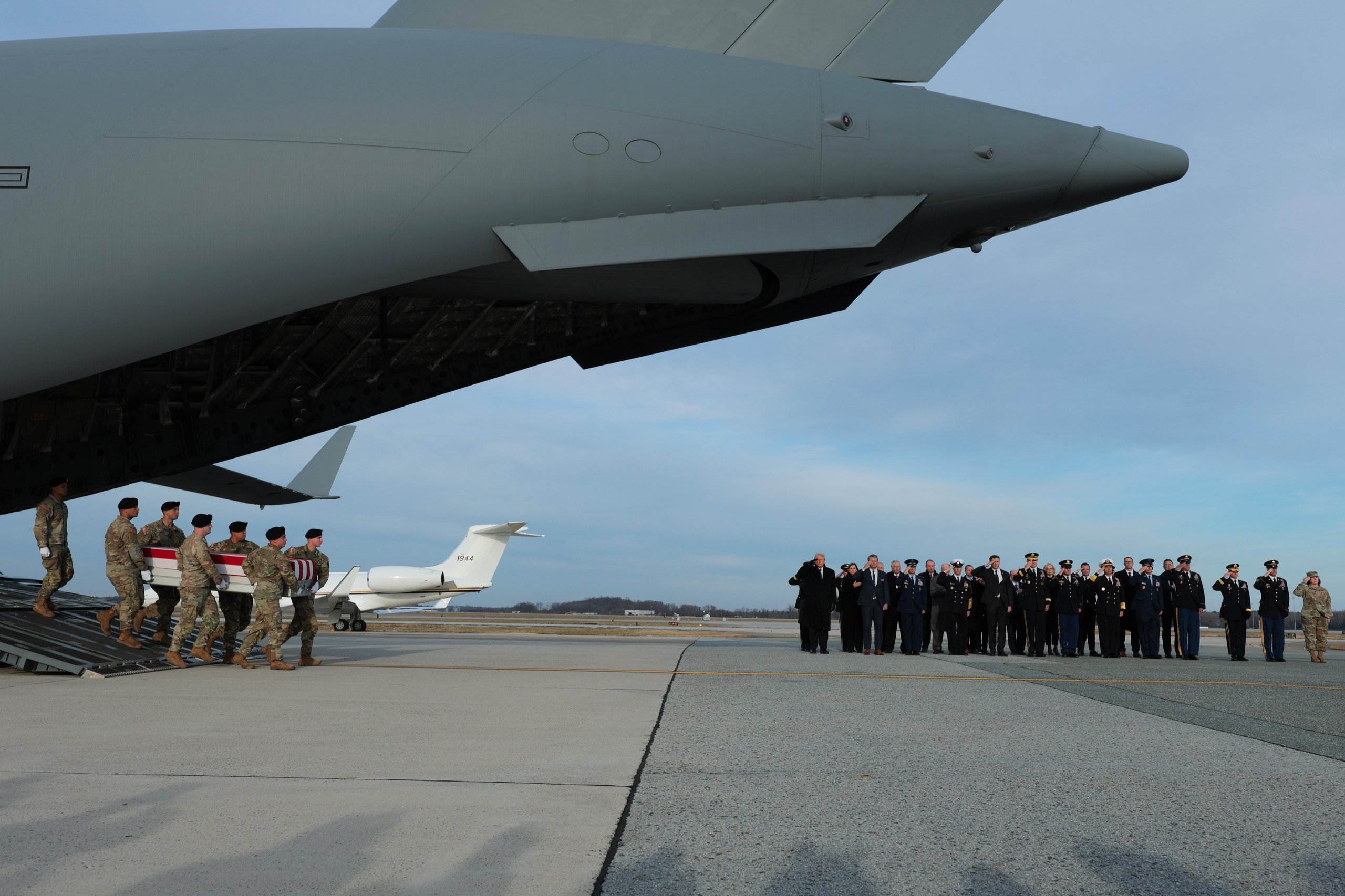

Israel attacks Iran and the conflict spreads across the Middle East, critics warn Washington may be concealing the real number of American military casualties, fueling anger among MAGA supporters who say US troops are being sacrificed for Israel’s war.
The rapidly expanding Middle East war triggered by the war triggered by Israel’s military assault on Iran is now generating a new political storm inside the United States. Allegations are spreading across political circles, military families, and independent analysts that the US government may be deliberately underreporting or delaying disclosure of American military casualties linked to the escalating regional conflict.
The controversy has erupted at a moment when Israel is urgently requesting expanded military support from Washington after launching a series of strikes against Iranian targets. The war, which began when Israel attacks Iran, has already triggered retaliatory responses across the region and drawn US forces deeper into a volatile confrontation.
Now critics say the American public is not being told the full story.
Growing Allegations of Hidden Casualties
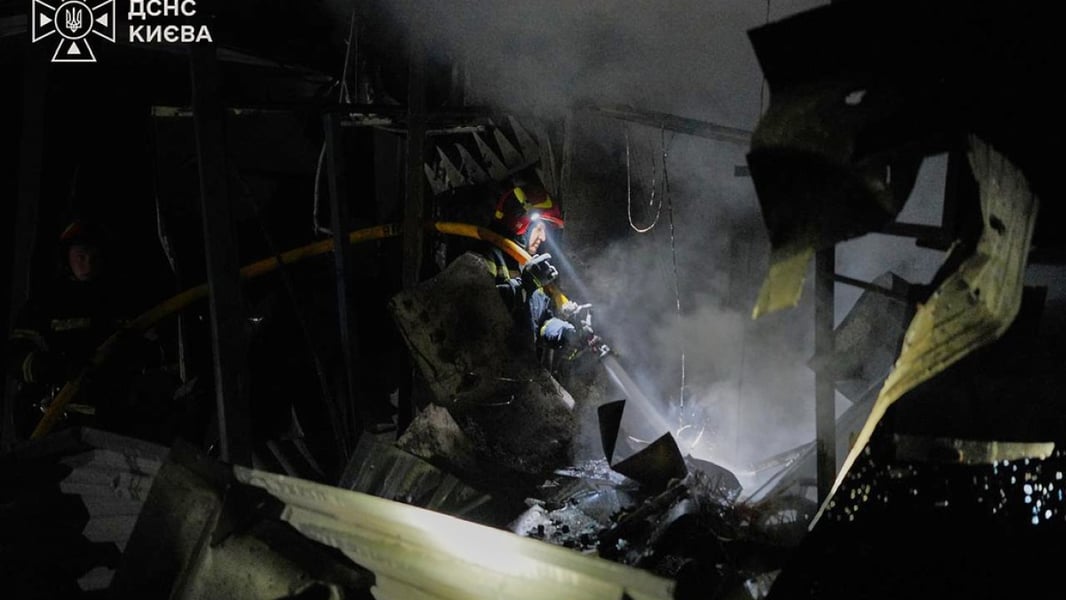
Questions began surfacing after reports emerged of attacks targeting locations where American forces were stationed across the Middle East. While US officials have acknowledged limited casualties and injuries in several incidents, critics say the Pentagon’s disclosures have been unusually vague and delayed.
Some analysts argue the lack of detailed casualty reporting is not accidental.
They point to historical precedents during past conflicts in Iraq and Afghanistan when casualty figures were sometimes reported days or even weeks after incidents occurred. In the current conflict, skeptics believe similar information management may be underway as the war intensifies.
Military transparency advocates say the stakes are particularly high because US troops were not originally deployed to fight Iran directly. Instead, many of them were stationed in the region as part of longstanding security partnerships and counterterrorism operations.
Once Israel attacks Iran through a coordinated series of air and missile strikes, those American forces suddenly found themselves in the middle of a rapidly expanding regional war.
Critics argue that Washington has an obligation to clearly inform the American public about the risks those troops now face.
Israel’s War Expands the Battlefield
The crisis escalated dramatically when Israel launched its strikes targeting what Israeli officials described as military installations and strategic infrastructure.
Israeli leaders justified the strikes as necessary to counter what they described as Iranian threats and military preparations. But the attacks quickly widened the conflict far beyond Israeli and Iranian territory.
Iranian retaliation has targeted military assets across the region, including installations where American personnel are present.
While official casualty numbers remain limited, regional security experts warn the risk to American troops is increasing by the day.
The conflict has effectively transformed the Middle East into a complex war theater where US forces may be exposed to retaliation aimed primarily at Israel.
For critics of Washington’s policy, that raises a deeply controversial question: are American soldiers now fighting a war that was not originally theirs?
MAGA Movement Reacts with Anger
The allegations that US casualties could be hidden or minimized have provoked a particularly strong reaction among figures associated with the MAGA political movement.
Many of them argue that US foreign policy is being driven by the interests of allies rather than the safety of American troops.
Several commentators aligned with the movement have accused Washington of placing American soldiers in harm’s way to support Israel’s campaign against Iran.
The accusations have intensified online discussions suggesting that the US government is attempting to avoid political backlash by delaying or controlling casualty disclosures.
For many of these critics, the issue is not only the war itself but also the perception that American voters are not receiving full transparency about its human cost.
The controversy has created an unusual convergence of anti-war voices across both the political right and left in the United States.
Pentagon Maintains Official Silence
Despite the rising political debate, the Pentagon has remained cautious in its public statements.
Defense officials have acknowledged that US forces in the region face increased threats as tensions rise. However, they have not confirmed any large-scale casualty events related to the current escalation.
Military spokespersons typically release casualty information only after next-of-kin notifications are completed, a process designed to protect the privacy of families.
Yet critics say that explanation does not fully address concerns about delayed or incomplete reporting.
Strategic Risks for Washington
Beyond the immediate casualty debate, the deeper strategic implications of the war are becoming increasingly difficult for Washington to manage.
Security experts warn that regional war involving Iran could rapidly spiral into a much broader confrontation.
If the conflict continues expanding, the United States could be drawn into direct military confrontation whether it intends to or not.
American bases, ships, and personnel throughout the region represent potential targets for retaliatory strikes.
A Crisis of Public Trust
The allegations about hidden casualties also touch a deeper issue that has haunted US foreign policy for decades: public trust.
After the Iraq War, many Americans became deeply skeptical of government narratives surrounding military interventions.
Now, as the war triggered when Israel’s military campaign against Iran unfolds, that history is resurfacing.
For many observers, the question is no longer only whether Israel attacks Iran or whether Iran retaliates.
The question is whether the American public will receive a clear and honest account of what those developments mean for US soldiers deployed far from home.
A War That Could Reshape the Region
Regardless of the casualty debate, the broader geopolitical implications of the conflict are already becoming clear.
Analysts warn that a regional war could reshape the Middle East and draw multiple powers into a prolonged confrontation.
Meanwhile regional militant groups have also warned that regional war involving Iran could rapidly spiral if the United States continues backing Israeli operations.
As the conflict escalates, pressure on Washington to provide transparency about American military casualties is likely to grow.
In the fog of war, information often becomes the first casualty.
But for a democracy whose soldiers are fighting thousands of miles away, the truth about those sacrifices may ultimately prove impossible to hide.
Related Posts