
As the Middle East war intensifies after Israel attacks Iran, an unusual controversy inside the US military has raised new questions about how the conflict is being framed to American service members.
According to multiple complaints filed by troops, some military briefings described the conflict with Iran not simply as a geopolitical struggle but as part of a prophetic battle foretold in Christian scripture. Several service members alleged that commanders invoked biblical passages and suggested that the war could trigger Armageddon and the return of Jesus.
The allegations surfaced at a moment when the regional war has already expanded dramatically. Israel’s initial strike on Iranian territory set off one of the most volatile confrontations in the Middle East in decades. According to a Reuters report, Israel launched a preventative missile attack against Iran, targeting military facilities and strategic sites across the country.
The strikes quickly triggered retaliation and broadened the confrontation across multiple countries. Military analysts say the conflict has rapidly evolved from a bilateral clash into a region-wide confrontation involving several allied forces and militias.
War Escalates Across the Middle East
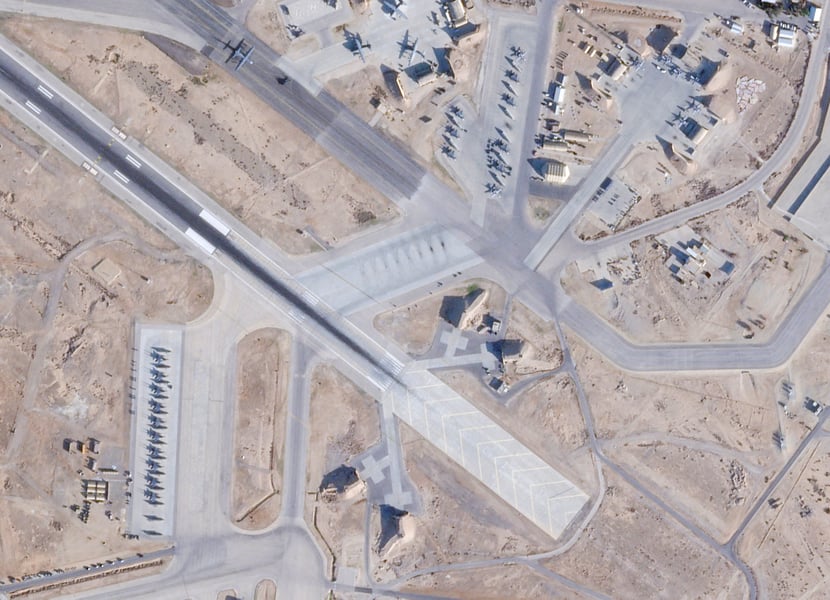
The crisis deepened after joint operations by Israeli and US forces targeted high-value Iranian military infrastructure. Israel’s operation against Iran was coordinated with the United States, confirming that the campaign was not a unilateral move but part of a broader military strategy.
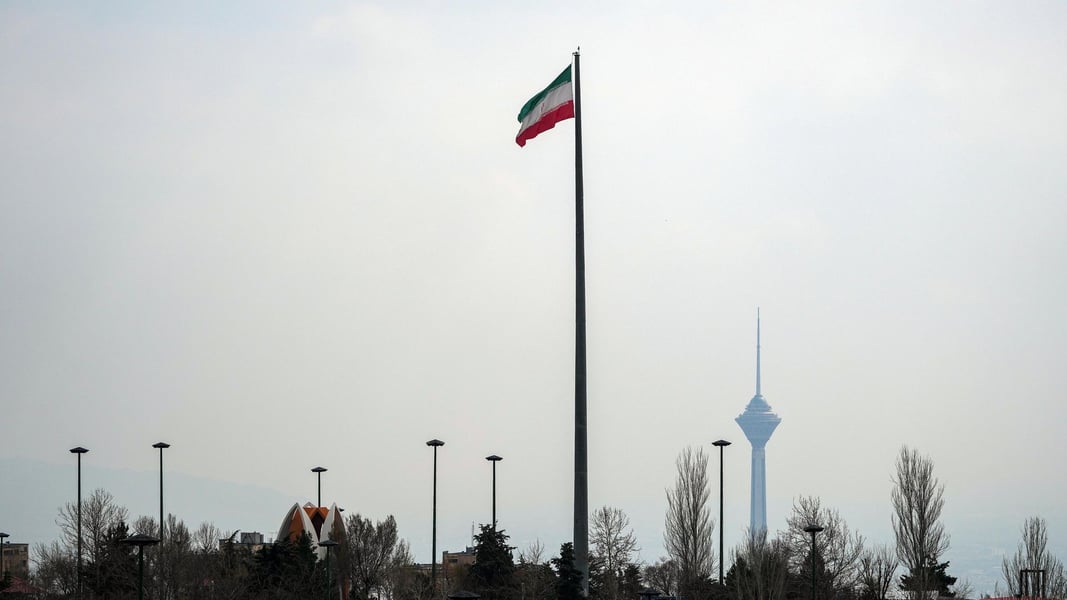
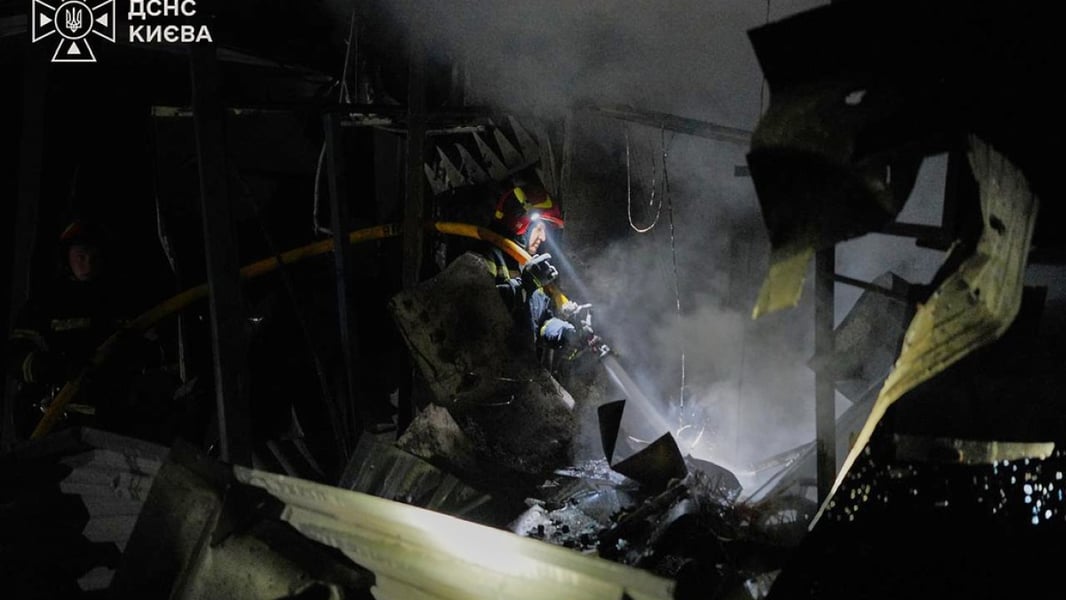
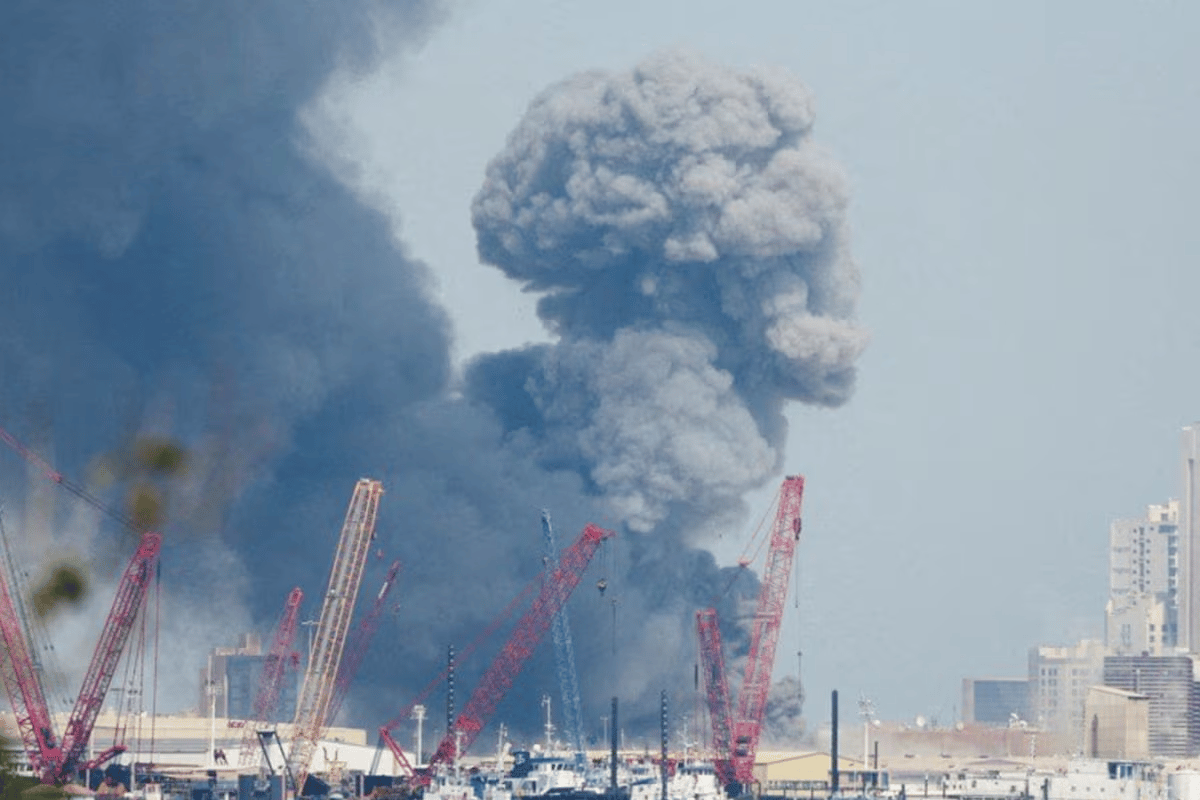
The strikes reportedly caused explosions in Tehran and several other Iranian cities, triggering panic among civilians and forcing governments across the region to activate emergency security protocols. US-Israeli attacks triggered fear and panic inside Iran, with residents fleeing urban centers and authorities tightening security.
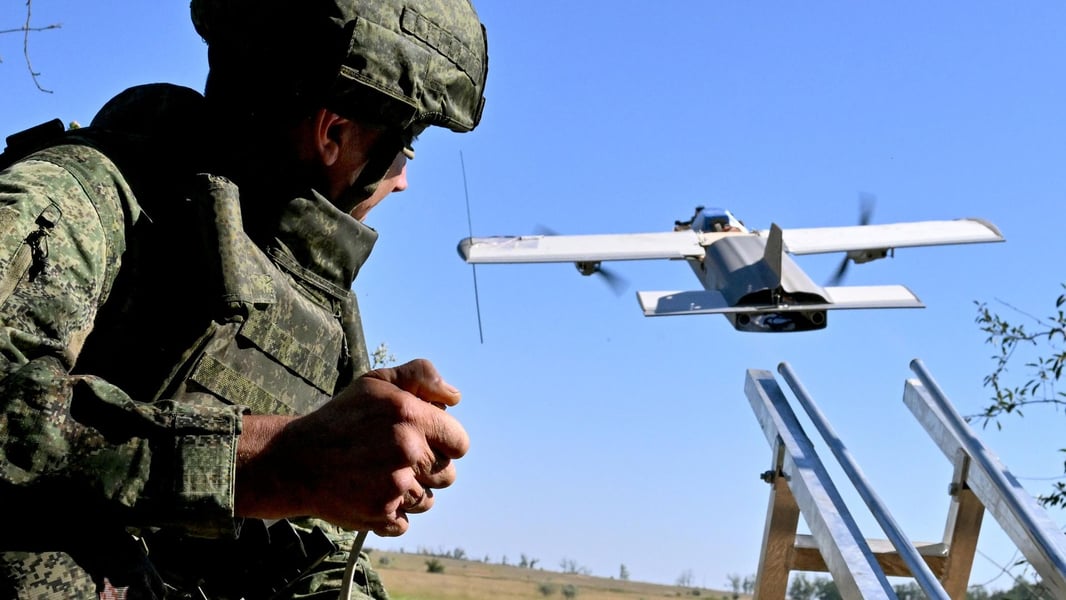
Iran responded with waves of missile and drone attacks targeting Israeli territory and US bases in allied countries near its borders. The retaliation intensified fears that the war could spread across West Asia, drawing in additional regional actors.
Strategic analysts say the current confrontation reflects the collapse of long-standing deterrence mechanisms that once kept tensions between Tehran and its adversaries below the threshold of full-scale war. An earlier analysis in US–Iran War Posture Exposed Military Buildup and Western Deterrence Collapse argued that the region had already been moving toward a direct confrontation long before the latest airstrikes.
Troops Describe Apocalyptic Rhetoric in Briefings
Against this backdrop, the complaints from US service members have added a new dimension to the controversy surrounding the war.
According to advocacy groups representing soldiers, more than 200 troops claimed they were exposed to briefings that framed the Iran war through religious prophecy. Some alleged that commanders described the conflict as part of God’s plan and suggested that the events unfolding in the Middle East could lead to the biblical battle of Armageddon.
Several complaints also claimed that soldiers were told political leaders had been chosen for a divine role in triggering the end-times conflict described in the Book of Revelation.
Military experts say such messaging is highly unusual within official briefings. While religious services are common within the armed forces, presenting a military operation as part of prophetic fulfillment raises serious constitutional concerns.
Debate Over Religion in the Military
The controversy highlights long-standing debates about the role of religion inside the US armed forces.
The US Constitution guarantees freedom of religion but also requires government institutions, including the military, to remain neutral toward specific faith traditions. Critics say that when military leaders frame geopolitical conflicts in religious terms, it risks blurring the line between personal belief and official policy.
Advocacy groups argue that soldiers who do not share those beliefs could feel pressured or marginalized during operational briefings. Military law experts note that commanders hold enormous authority over troops, which makes religious messaging particularly sensitive in a combat environment.
The Pentagon has not yet issued a detailed response to the allegations, but officials have reiterated that military policy prohibits coercive religious activity.
Global Reactions to the War
The broader war continues to generate strong reactions across the world.
Several governments have called for de-escalation, warning that the confrontation could destabilize the entire region. Others have accused Washington and Tel Aviv of deliberately provoking a wider war.
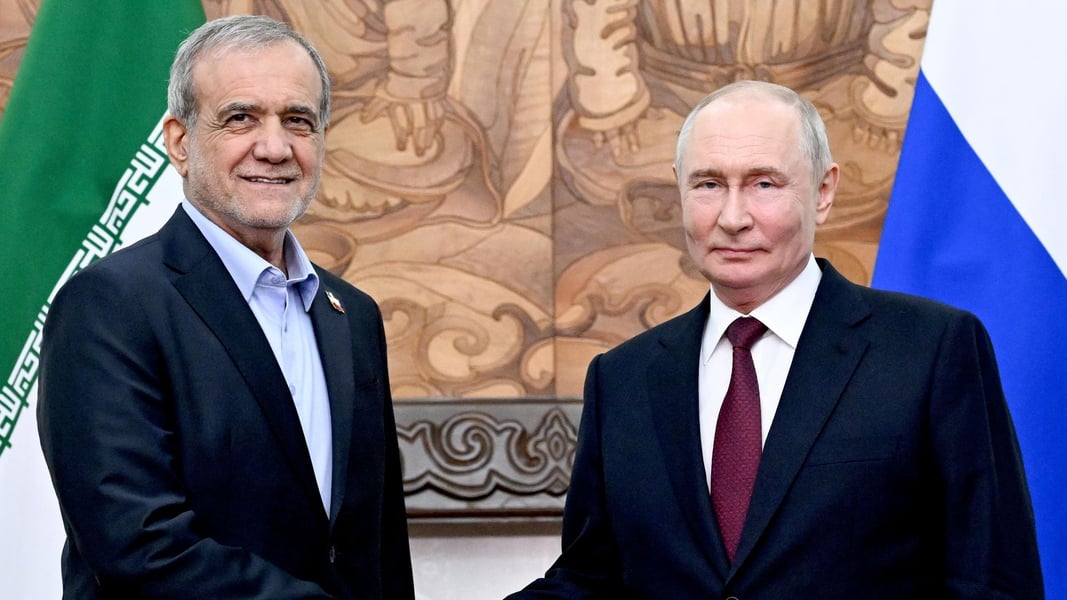
Russia, for example, has openly criticized the military campaign, arguing that Western powers are attempting to draw additional countries into the conflict.
Meanwhile, new regional dynamics continue to emerge. Reports indicate that geopolitical actors outside the Middle East are becoming increasingly involved in the crisis. One recent report detailed how North Korea backed Tehran after Israel attacks Iran, signaling that the confrontation is beginning to reshape alliances far beyond the region.
Other developments highlight the widening geopolitical dimension of the war. Coverage in Chinese Y-20 cargo planes arriving in Iran during the Israel-Iran war suggests that Beijing may also be watching the situation closely.
Regional Ripple Effects
The ripple effects of the conflict have already reached neighboring states.
In South Asia, officials moved quickly to clarify their position after speculation that US naval forces might use regional infrastructure during the war. In one report, India denied that US Navy ships were using Indian ports, signaling the country’s effort to remain neutral in the escalating confrontation.
Meanwhile, the military situation on the ground continues to evolve rapidly.
Iran has launched multiple retaliatory strikes against Israeli targets. According to one report detailing the escalating exchanges, Iran fired missile barrages during the Israel-Iran war, demonstrating the scale of its response.
Tehran has also signaled that the conflict may not end soon. Iranian officials have suggested that the war will continue until Tehran achieves its objectives.
At the same time, Iranian leaders have rejected long-standing accusations regarding nuclear weapons ambitions. A separate report noted that Iran dismissed claims about developing nuclear weapons as a “big lie.”
Wider Axis of Support Emerging
The war has also mobilized various groups aligned with Iran across the region.
One such development emerged in Iraq, where the Nujaba movement warned the US and Israel against further escalation while expressing support for Tehran.
Observers say these developments highlight the complex network of alliances often described as the “axis of resistance,” a coalition of state and non-state actors that could dramatically widen the conflict if hostilities continue.
Religion and Geopolitics Collide
The allegations involving apocalyptic rhetoric reveal a deeper intersection between religion and geopolitics.
For decades, some religious movements in the United States have interpreted conflicts involving Israel and the Middle East through the lens of biblical prophecy. Within these traditions, events in the region are sometimes seen as signs that the world is approaching the end-times described in the Book of Revelation.
Scholars say such beliefs remain influential in certain political and religious circles in the United States. However, the idea that military briefings might incorporate such interpretations has raised concerns among constitutional experts and civil-rights advocates.
Uncertain Future
For now, the investigation into the soldiers’ complaints remains unresolved.
What is clear is that the war triggered when Israel attacked Iran has already reshaped the geopolitical landscape of the Middle East.
Missile exchanges continue across the region, global powers are positioning themselves diplomatically and militarily, and fears of a wider confrontation remain high.
At the same time, the controversy surrounding apocalyptic rhetoric within the US military illustrates how the conflict is being interpreted not only as a strategic struggle but, for some, as part of a much larger spiritual narrative.
Whether those interpretations remain confined to personal belief or begin influencing broader military thinking may become one of the most closely watched questions as the war continues to unfold.
Related Posts