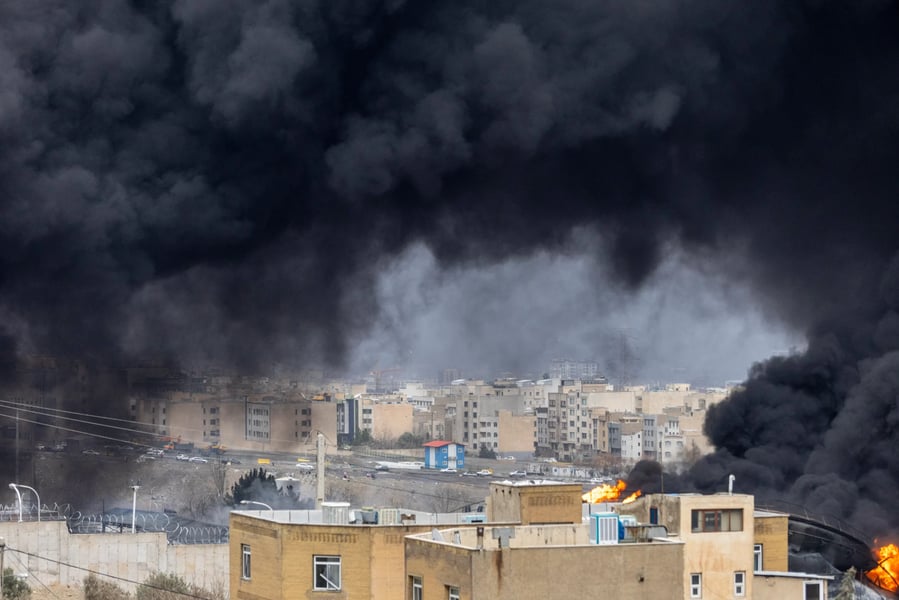

Israel attacks Iran has rapidly evolved from a regional military confrontation into a global geopolitical crisis, raising urgent questions about the future of energy security, international law, and the balance of power in the Middle East.
The escalating conflict widened further after reports of Hezbollah drone swarm strikes on Israeli positions in the Golan Heights, while new attacks were reported against American installations across the region. The confrontation now stretches across multiple theaters, from Lebanon and Syria to the Persian Gulf.
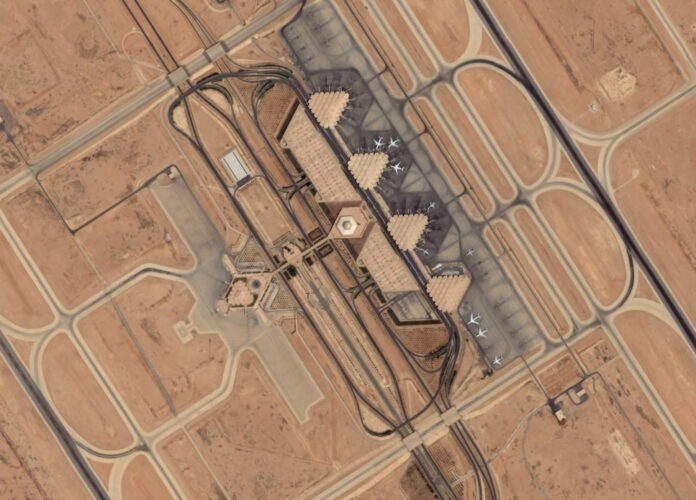
Meanwhile, Iran’s Revolutionary Guard said its drone units struck radar and command facilities at the US-run Al-Dhafra air base in the United Arab Emirates, an escalation reported in coverage of Iran’s drone strike on the Al-Dhafra Air Base. Analysts warn the attacks signal a rapid expansion of the war triggered after Israel attacks Iran.
The widening confrontation has also drawn in militia groups across the region. Iraqi resistance factions claimed responsibility for rocket and drone attacks against American facilities in Baghdad, including the Victoria Base inside Baghdad International Airport, underscoring the growing risk of a multi-front regional war.
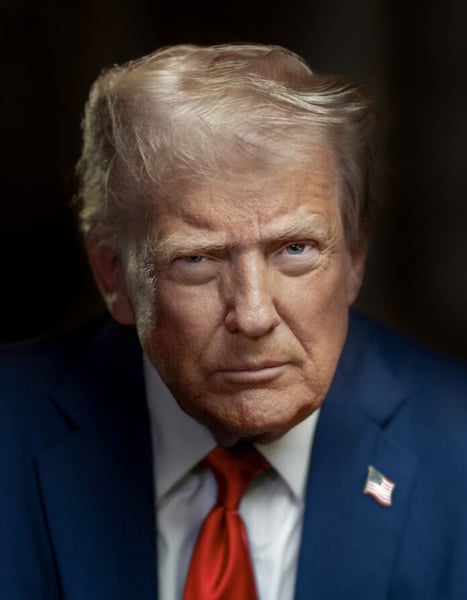
Amid the intensifying conflict, a controversial statement from the White House has added a new geopolitical dimension to the crisis. Jarrod Agen, executive director of the White House’s National Energy Dominance Council, said Washington ultimately wants Iran’s massive oil reserves removed from what he described as terrorist control.
“This is a long-term game because what we want to do is get such massive oil reserves in Iran out of the hands of terrorists,” Agen said in an interview with Fox News.
The remarks came as the war triggered by Israel attacks Iran threatens to reshape the global energy system.
A Conflict With Global Consequences
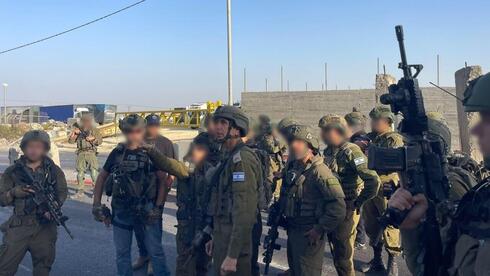
The crisis began on February 28 when Israel launched large-scale strikes on Iranian territory, targeting military installations and infrastructure. Tehran responded with missile and drone attacks against Israeli targets and American military facilities across the Middle East.
The conflict has quickly spiraled beyond the initial exchange of strikes. Reports of foreign involvement, including Chinese Y-20 military cargo aircraft reportedly landing in Iran, have raised concerns that the war could expand into a broader geopolitical confrontation.
Global reactions have also intensified, with North Korea openly backing Tehran in the confrontation. According to reports that Kim Jong Un warned Pyongyang could support Iran against the US, analysts say the conflict risks triggering new alliances and rivalries.
Strait of Hormuz Crisis
The military escalation has had immediate consequences for global energy markets. The Strait of Hormuz, one of the world’s most critical maritime chokepoints, carries nearly one-fifth of global oil and gas shipments.
Following the strikes and retaliatory attacks, tanker traffic through the strait collapsed as shipping companies halted operations in the region. According to Reuters analysis of tanker traffic in the Strait of Hormuz, vessel movement dropped dramatically within days of the conflict’s escalation.
Shipping companies and insurers began withdrawing coverage for vessels operating in the Gulf after several ships were damaged by drones and missiles, highlighting the growing risks facing global energy supply chains.
The disruption has already pushed oil prices sharply higher. Energy markets reacted quickly to the possibility of a prolonged closure of the strait, with global crude benchmarks surging as supply fears spread across financial markets.
Washington’s Energy Strategy
Agen’s remarks suggest that some policymakers in Washington now see the conflict not only as a security issue but also as part of a long-term strategy involving energy dominance.
Iran holds some of the largest proven oil reserves in the world, making it a central player in global energy markets. For decades, Western policy toward Tehran has relied primarily on sanctions aimed at limiting its ability to export oil.
But Agen’s comments indicate that a broader strategic goal may involve shifting control over those energy resources.
Supporters of this strategy argue that removing Iran’s control over its oil reserves would weaken Tehran’s ability to fund regional allies and military operations. Critics, however, say the rhetoric reinforces longstanding accusations that Western intervention in the Middle East is driven by control over natural resources.
Humanitarian Toll
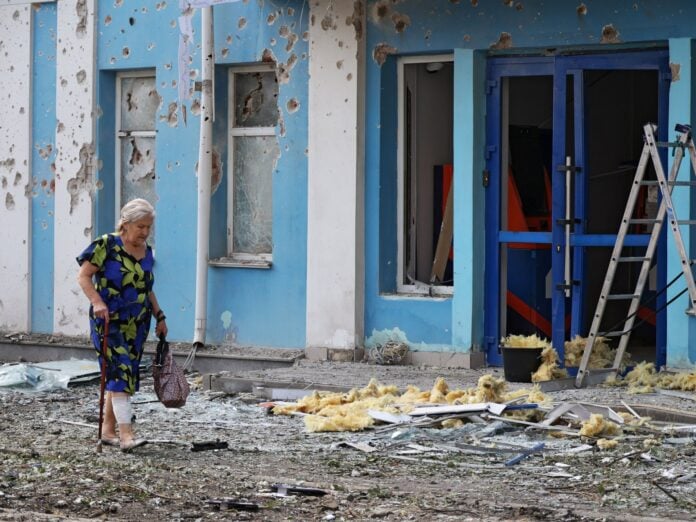
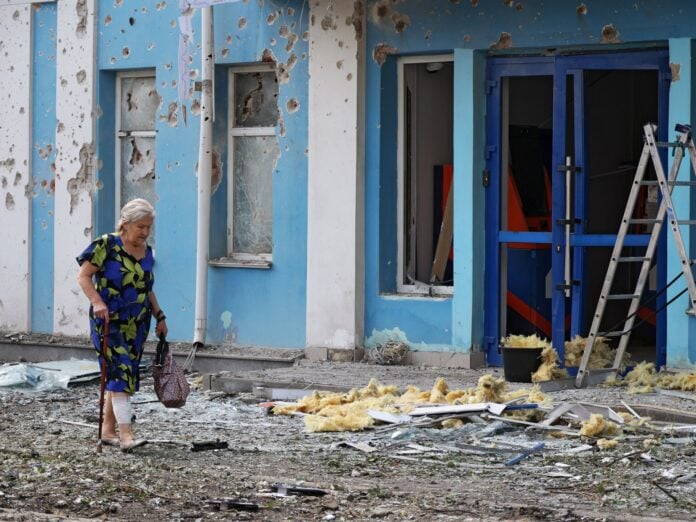
As the war intensifies, the humanitarian consequences are becoming increasingly visible. Iranian officials told the United Nations that more than 1,300 civilians have been killed since the conflict began, including at least 180 children.
Reports describing civilian casualties following Israeli and US strikes on Iranian cities have triggered international calls for investigations into the impact of the bombardment.
Iran has also rejected claims that its nuclear program justifies the attacks. Officials described allegations about nuclear weapons as politically motivated in coverage of Tehran’s response to accusations about nuclear weapons.
A War Expanding Across the Region
The conflict is increasingly spreading beyond Iran and Israel. Resistance groups in Iraq, Lebanon, and Syria have launched attacks against American and Israeli targets, raising fears of a region-wide war.
At the same time, reports suggest that American troops deployed in the Middle East were warned the conflict could expand dramatically, according to accounts describing how US soldiers were told the war might trigger an “Armageddon-scale” confrontation.
Analysts say the war now carries the risk of drawing in multiple global powers, transforming what began as a regional conflict into a wider geopolitical struggle.
An Uncertain Future
As military operations continue across the Middle East, there is little indication that the confrontation will end quickly. Missile strikes, drone attacks, and naval confrontations continue to threaten key shipping routes and military installations.
With the Strait of Hormuz under pressure and global energy markets already destabilized, the war triggered after Israel attacks Iran could reshape the geopolitical order of the Middle East, and potentially the global economy, for years to come.
For the international community, the stakes could hardly be higher.