
OTTAWA — When Leanne Walker, a resident of Calgary, submitted a petition to Canada’s House of Commons calling for the expulsion of the American ambassador, she likely did not anticipate that 171,000 of her fellow citizens would sign it.
By Saturday, the petition had gathered more than 340 times the number of signatures required to trigger a mandatory parliamentary response. Under House of Commons rules, petitions that cross the 500-signature threshold must receive an official government reply within 45 days. This one is going to require more than a form letter.
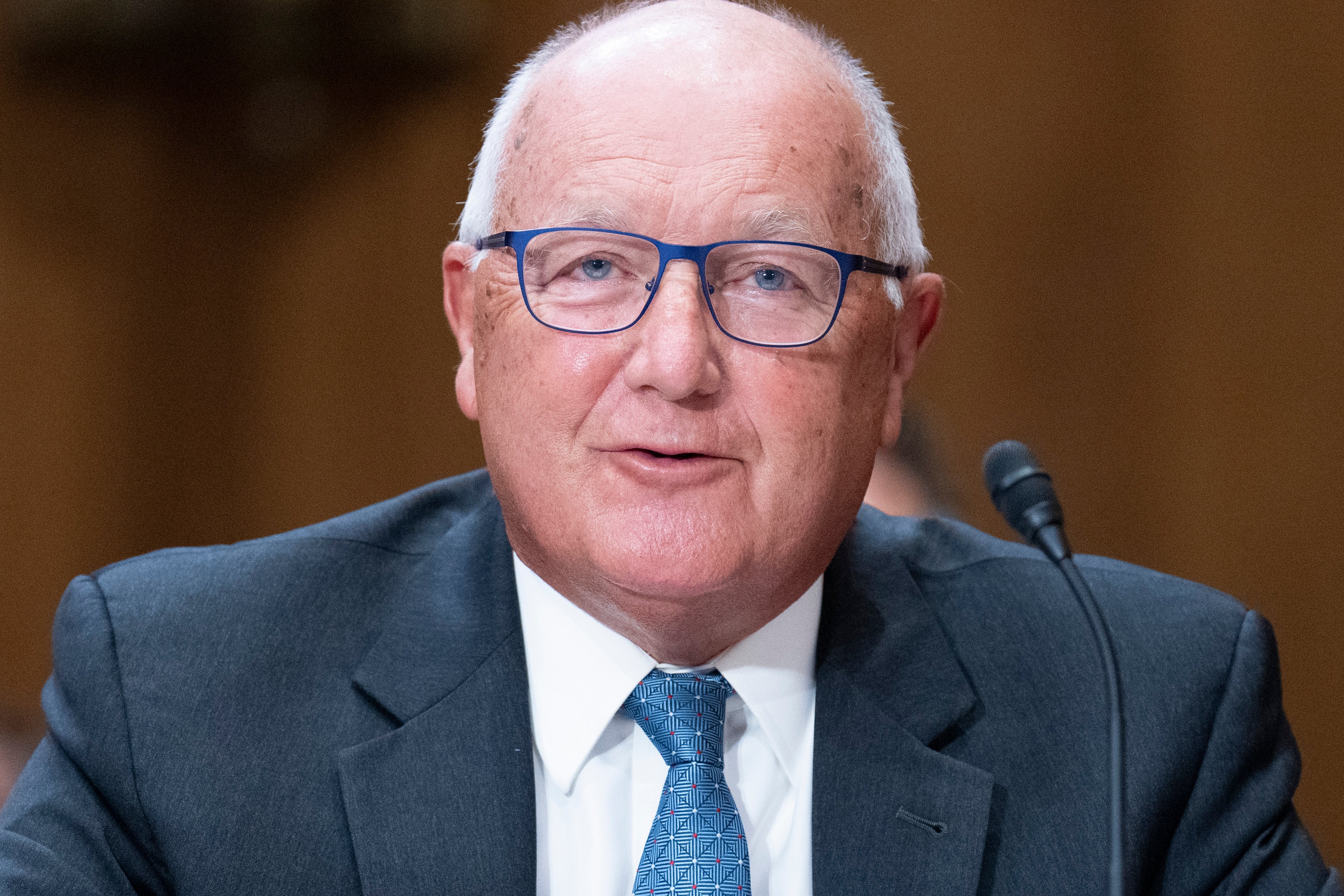
The target is Pete Hoekstra, the US Ambassador to Canada, who has spent much of 2026 defending President Donald Trump’s suggestion that Canada should become the 51st American state, and more recently accusing Canadian provincial officials of attempting to interfere in US elections because they ran advertisements criticising Trump’s tariff policies. Hoekstra did not retreat from those positions under pressure. He repeated them.
Elizabeth May, the leader of Canada’s Green Party, was the member of Parliament who agreed to authorise the petition for formal submission, lending it the parliamentary standing required to trigger a government response. The petition calls on the government to pursue three steps: formally request Hoekstra’s removal as incompatible with diplomatic standards, initiate cross-border discussions about conduct the petitioners argue violates the Vienna Convention on Diplomatic Relations, and convene a parliamentary committee to examine what they describe as American interference in Canadian domestic affairs.
Petitions submitted to Parliament are non-binding. But 171,000 signatures represents an unusually large public mobilisation on a foreign-policy question, a domain that typically generates little electoral energy in Canada but has accumulated considerable frustration.
The frustration has structural roots that predate Hoekstra’s most recent statements. A Pew Research Center study released this year found that Canadian trust in the United States as a reliable partner had collapsed from 83 percent in 2022 to 35 percent in 2026. The share of Canadians who rated the US as “not reliable” rose from 16 percent to 65 percent over the same period. Those numbers reflect a durable shift built up over Trump’s tariffs, the annexation rhetoric that began in late 2024, and a series of incidents in which American officials made statements about Canada that would have been unthinkable under any prior administration.
Hoekstra served as US Ambassador to the Netherlands from 2017 to 2021 under Trump’s first term and was reappointed to the Ottawa post in 2025 following Trump’s return to the presidency. His approach to the role has been less traditional diplomacy and more open advocacy for Trump’s positions on Canadian territory and sovereignty. Whether that makes him effective in Trump’s terms is a different question from whether it makes him tolerable in Canadian terms.
The petition’s 120-day window opened July 21, meaning it could continue accumulating signatures for months. Under House of Commons procedure, a petition is referred to a relevant minister or committee, who must provide a formal written response. Prime Minister Mark Carney’s government has not indicated how it intends to respond and is under no obligation to act on the petition’s demands.
What the petition cannot do is force a diplomatic expulsion. That decision rests entirely with Carney’s cabinet, which has so far responded to the deteriorating relationship through economic countermeasures and measured rhetoric rather than explicit diplomatic confrontation. Canada has imposed retaliatory tariffs on a wide range of American goods in response to Trump’s trade measures, and Canadian officials have repeatedly described the bilateral relationship as being in an unprecedented state of strain.
As Eastern Herald has reported, the US recently revoked 750 visas in a birth-tourism crackdown that hit Canadian routes particularly hard, part of a broader pattern of aggressive American unilateral action toward its neighbours that has created the political environment in which 171,000 people feel they have something to say about the man representing Washington in Ottawa.
Meanwhile, the broader pattern of Trump-allied politicians winning elections elsewhere, as seen when Nigel Farage held his Clacton seat in Britain with a reduced but intact majority, suggests that the strain in Canadian-American relations is not isolated but part of a wider reshaping of Western political alignments under Trump’s influence.
Hoekstra’s office did not immediately respond to requests for comment. Trump has not publicly addressed the petition. The 45-day clock for a formal parliamentary response began on Saturday. What the government says when that clock runs out will indicate whether Carney’s cabinet believes the current state of Canadian-American relations is sustainable, or whether the 171,000 signatories have articulated something too pointed to leave unanswered.
Related Posts