
NEW YORK – The United States government is prosecuting Nicolás Maduro for acts it says he carried out as the head of Venezuela’s government, in a courtroom that will now have to decide whether a man Washington says was never Venezuela’s legitimate leader is entitled to the immunity reserved for legitimate leaders. That paradox landed in formal court papers Wednesday, when Maduro’s legal team filed a motion asking a Manhattan federal judge to dismiss the drug trafficking indictment against him and his wife, Cilia Flores, on the grounds that both are protected by sovereign immunity under international law.
The motion was filed by Barry Pollack, Maduro’s lead attorney, before Judge Alvin Hellerstein of the Southern District of New York. Pollack argued that the court lacked jurisdiction from the outset – that sovereign heads of state are entitled to absolute immunity from foreign criminal prosecution, that the acts described in the indictment constitute official conduct of a sovereign government, and that convicting Maduro would require a foreign court to sit in judgment over the official acts of a foreign state. “This unprecedented prosecution violates the absolute immunity from criminal jurisdiction to which heads of state and foreign officials acting in their official capacities have been entitled for hundreds of years,” Pollack wrote.
Maduro is not the first foreign leader to make this argument in an American courtroom. Manuel Noriega of Panama made a similar claim in the 1990s and lost, and his failure has formed the backbone of the government’s confidence in this case. American courts have historically declined to apply international law frameworks as grounds for dismissal of criminal indictments. But Maduro’s team contends the Noriega comparison does not hold: Noriega had already lost political power when he was brought to trial, and the legal framework around head-of-state immunity has evolved considerably in the intervening thirty years. Contemporary international law treats immunity as a function of office – not as something a foreign government can strip away by choosing not to recognize a sitting leader.
That second layer is where the United States is most exposed. Washington ceased recognizing Maduro as Venezuela’s president in 2019, following an election the administration characterized as fraudulent, and it has not reversed that position. But Maduro’s attorneys argue, according to NBC News, that what the State Department chooses to recognize does not alter the rules that bind the courts. A country’s recognition policy and international law are separate systems, and the claim is that the court is bound by the latter even when the executive branch has departed from it.
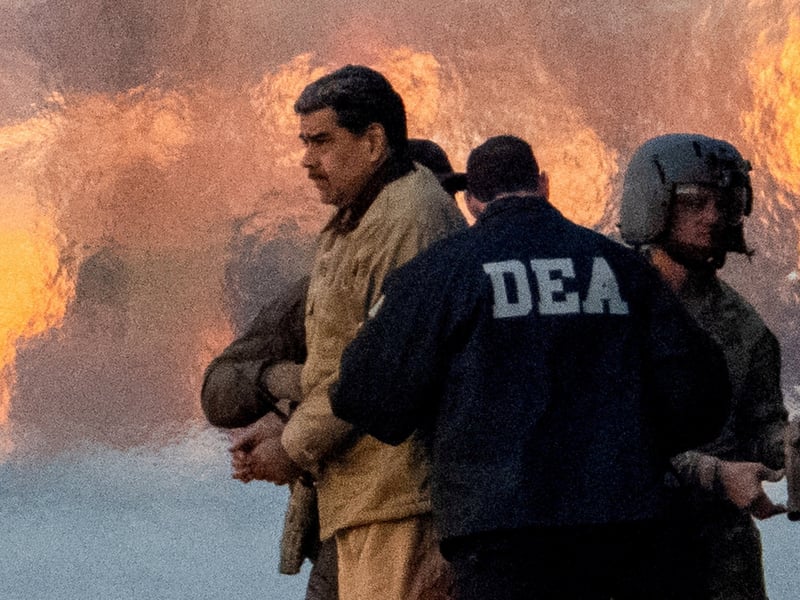
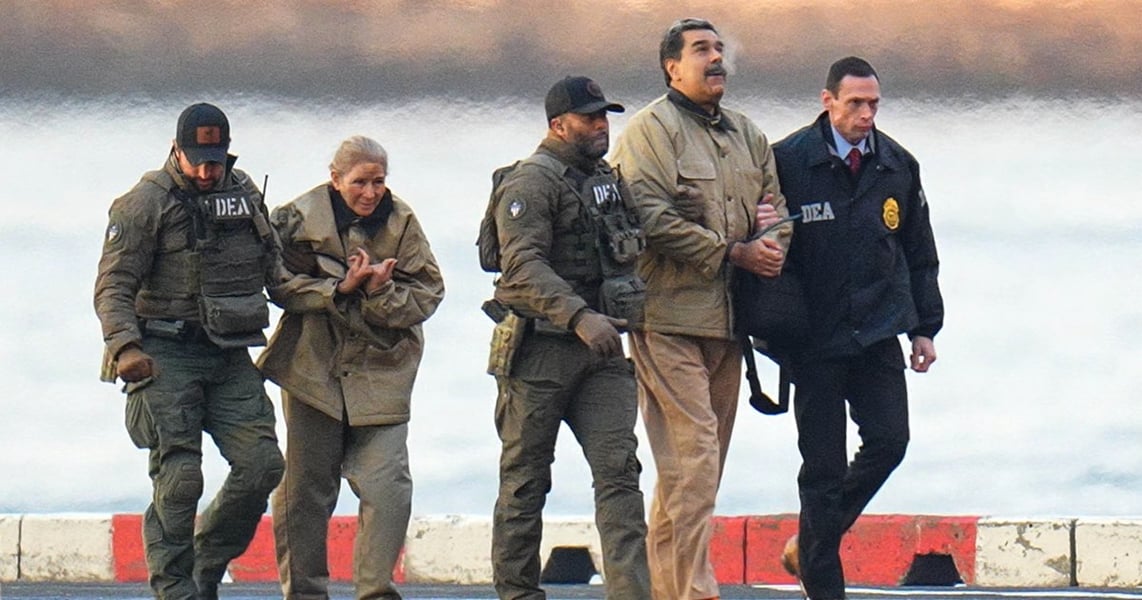
Flores is represented separately and on different grounds. She argues, per NPR, that as the spouse of a sitting head of state she is entitled to derivative immunity – a protection recognized in various international instruments and, like her husband’s claim, not dependent on American recognition of the Venezuelan government. Both have been held in a Brooklyn federal detention facility since January 3, when United States forces entered Caracas and seized them at their residence.
The charges against both are extensive. Maduro faces narco-terrorism conspiracy – the allegation that he colluded with Venezuelan law enforcement and the narco-trafficking network known as the Cartel de los Soles to move thousands of tons of cocaine into the United States as a deliberate act of state policy. He and Flores jointly face charges of cocaine importation conspiracy, possession of machine guns and destructive devices, and conspiracy to possess those weapons. Together the indictment describes what prosecutors call a state-directed drug enterprise coordinated through the agencies of the Venezuelan government.
That framing is what Maduro’s legal team is turning against the prosecution. If the conduct was carried out by Venezuelan state agencies at the direction of the Venezuelan head of government, then it constitutes conduct of a foreign state – and foreign states have long claimed immunity from criminal jurisdiction in foreign courts. No American court, the motion notes, has ever presided over the criminal trial of a foreign leader recognized by their own country as the sitting head of state at the time charges were brought.
The legal battle is proceeding alongside a separate Venezuela confrontation embedded in Washington’s own policy architecture. The Trump administration’s Venezuela oil venture, which handed the Pentagon a 35 percent equity stake in a production entity operating inside Venezuela, was negotiated with the same Venezuelan government Washington does not recognize. The arrangement was rejected across party lines inside Venezuela – by opposition figures and Maduro loyalists simultaneously – as an agreement with no constitutional standing. Critics of US Latin America policy note that it is difficult to argue simultaneously that Maduro holds no legitimate authority and that acts he allegedly committed as head of state amount to a state-sponsored drug operation.
Prosecutors have until October 2 to respond to the motion to dismiss. Judge Hellerstein has scheduled oral argument on this and other first-round defense motions for November 17. If the immunity motion fails, as the Noriega precedent suggests it will, the trial remains on calendar for June 1, 2027.
What the calendar does not resolve is the constitutional question the case has placed on record: whether the United States can simultaneously refuse to recognize a government, conduct a military operation to seize its leader, and then prosecute that leader for acts his government authorized – without those three positions collapsing under their own weight. Judge Hellerstein has not signaled how he will rule. What he has is a deadline.